A study in Frontiers in Zoology reports that urban raccoons commonly show shorter snouts than rural individuals, a trait associated with "domestication syndrome." The analysis of nearly 20,000 photographs across the continental U.S., led by Raffaela Lesch, suggests that easy access to human trash favours calmer, less fearful raccoons and may drive physical changes over generations under the neural crest domestication hypothesis. Researchers plan to validate photo-based results with 3D skull scans and are extending the work to other urban mammals.
City Raccoons Showing Early Signs of Domestication, Study Finds

City raccoons may be showing early signs of domestication
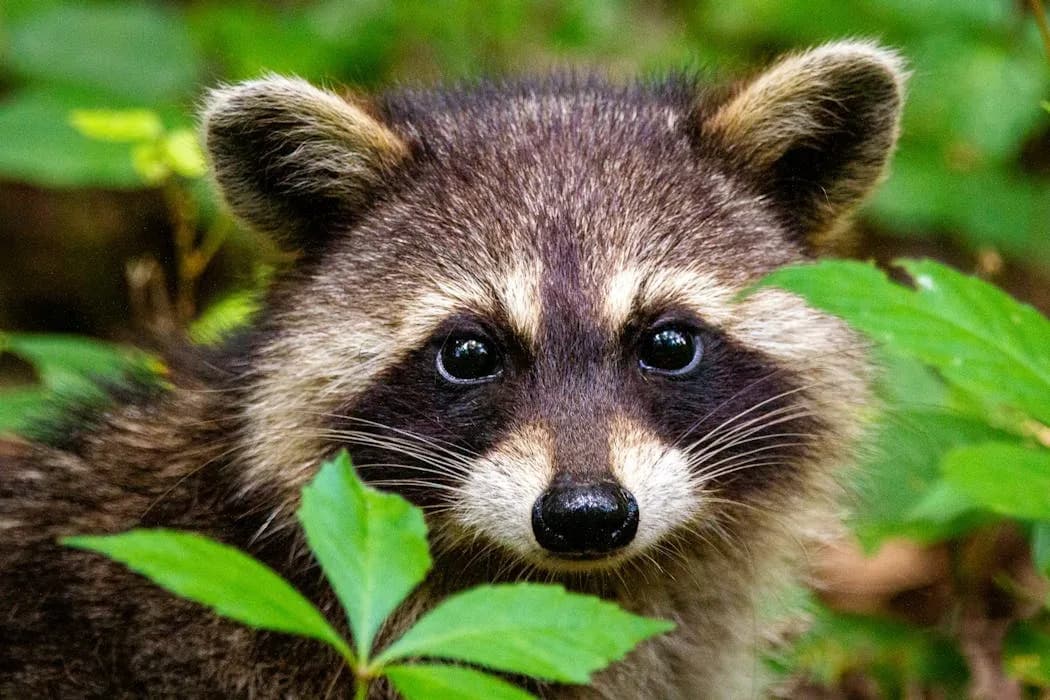
Those resourceful 'trash pandas' rifling through bins might be more than a nuisance—researchers say they could be demonstrating evolution in action. A new study published in Frontiers in Zoology analyzed nearly 20,000 photographs of raccoons collected across the continental United States and identified measurable physical differences between urban and rural populations.
Study and key findings
Led by Raffaela Lesch of the University of Arkansas at Little Rock, the research team found that city-dwelling raccoons tend to have shorter snouts than raccoons from less developed areas. Shortened snout length is one of the characteristic features linked to "domestication syndrome," a suite of changes—such as shifts in craniofacial shape, altered coat patterns, smaller teeth, and modifications to ears and tails—that often accompany reduced aggression and increased tolerance of humans.
Possible mechanism
The authors propose a straightforward mechanism: easy access to human refuse. Animals that tolerate people and appear calmer are more successful at exploiting trash cans and other food sources. That behavioural advantage can create selective pressure favoring tameness, which—according to the neural crest domestication hypothesis—may be associated with craniofacial and other physical changes over generations.
“Animals love our trash. It's an easy source of food. All they have to do is endure our presence, not be aggressive, and then they can feast on anything we throw away,” Lesch said.
The researchers acknowledge limitations: photo-based measurements can be affected by angle, lighting, and sampling bias. To strengthen their conclusions, the team is 3D-scanning a university collection of raccoon skulls to validate the photographic measurements and more precisely quantify craniofacial differences.
Broader context and next steps
The study is notable for its large dataset and extensive student involvement (16 college and graduate researchers are listed as co-authors). The team is also expanding the project to study other urban-adapted mammals—such as armadillos and opossums—to determine whether similar evolutionary trends are occurring.
If validated, these results would illustrate how human-altered environments can rapidly shape wild-animal morphology through behavioural selection. Practically, the findings underscore the role that waste management and reducing food access play in shaping wildlife behaviour and in reducing human-wildlife conflict.
For practical guidance on coexistence and safety around raccoons, consult your local wildlife agency resources (for example, Mass.gov).
Help us improve.