Churchville, a 200-person town in Virginia’s Blue Ridge, is struggling after its local clinic closed following federal health-law changes. Residents now face longer travel times and delayed appointments, while political dynamics make health care a difficult issue to turn into immediate electoral change. Community leaders and organizers say sustained outreach and creative local solutions — from house calls to cooperative transport — will be needed as rural providers cope with reduced funding and tougher eligibility rules.
Churchville After the 'Megabill': How Losing a Clinic Reshaped a Rural Town

As the last colors of autumn linger in the Blue Ridge Mountains, the 200-resident town of Churchville, Virginia, is adjusting to life without its local health clinic. For many residents — particularly older adults and people with chronic conditions — the closure has meant longer drives for routine care, delayed appointments and a renewed sense of fragility around local services.
A familiar lifeline closes
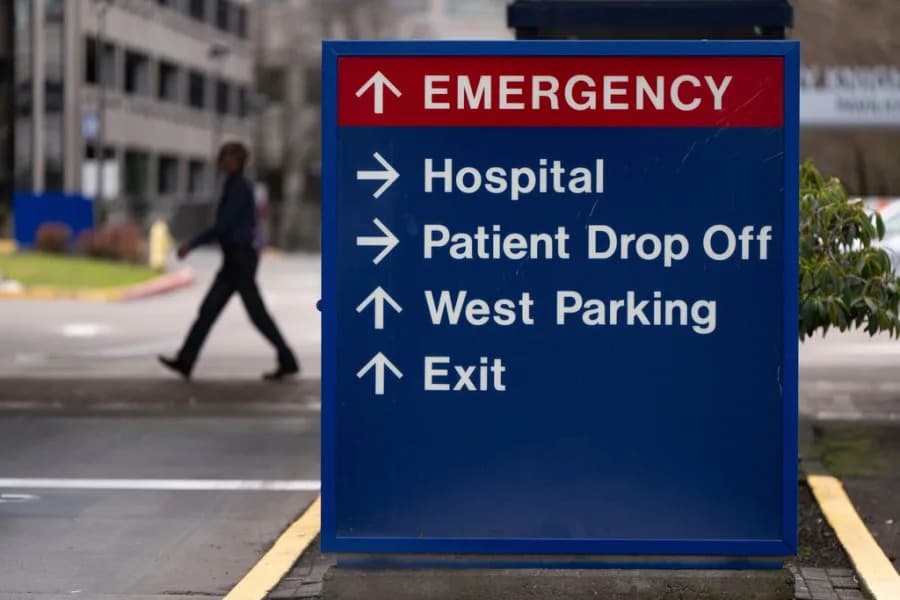
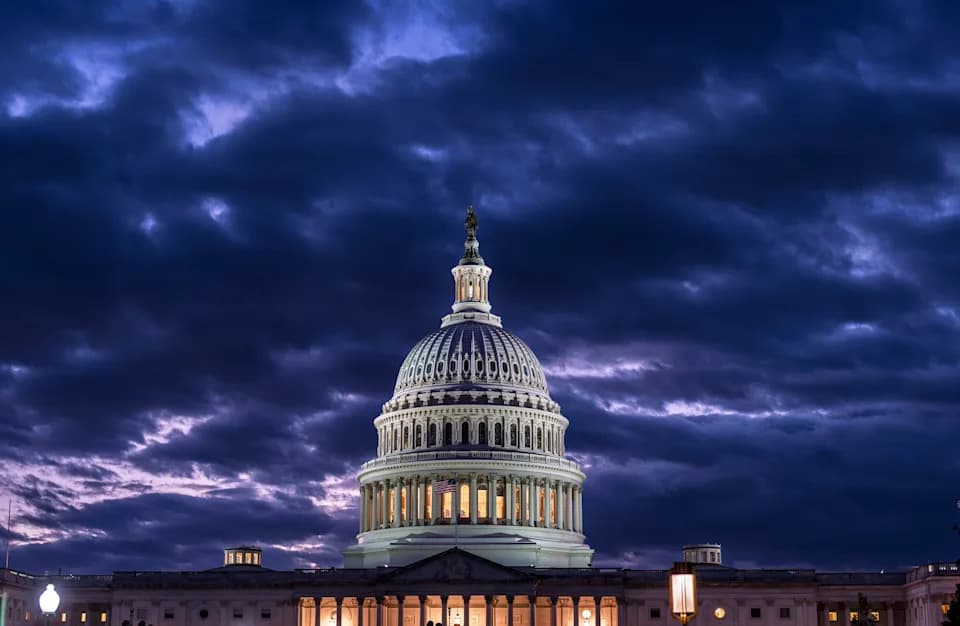
Augusta Medical Group closed the Churchville clinic and two other rural sites, citing health-care provisions in the federal One Big Beautiful Bill Act. The law reduced federal health spending on some programs and introduced stricter eligibility checks and work requirements that local providers say have constrained resources.
“I’ve called around trying to find a replacement, a new doctor, and for just a well-being appointment, the soonest is the end of January,” said Teresa Leach, 56, at MTN. Mystic, the coffee shop a few steps from the shuttered clinic. Leach, who has asthma, said the loss of the clinic has been disruptive even for routine care.
Local voices: frustration, resignation and resilience
“I’m a mixed bag of tricks, a lot of medical issues,”
said Irene Holmes, 59, who moved to Churchville three years ago. She relied on the town clinic for ongoing care and blames the federal policy changes for the loss of access. “Absolutely. What he’s done is destroying rural areas,” she added when asked whether the president’s law was responsible.
Not everyone sees the closure as catastrophic. Dale White, a longtime resident and church administrator, noted that many locals have long traveled to nearby towns like Staunton, Fishersville, Waynesboro and Charlottesville for medical care.
“These are old-time rural farming folks, and they’ve been going to get medical care in Staunton and Fishersville, Waynesboro and Charlottesville since they can remember,” White said, downplaying the immediate impact of the clinic’s closure.
The political fallout
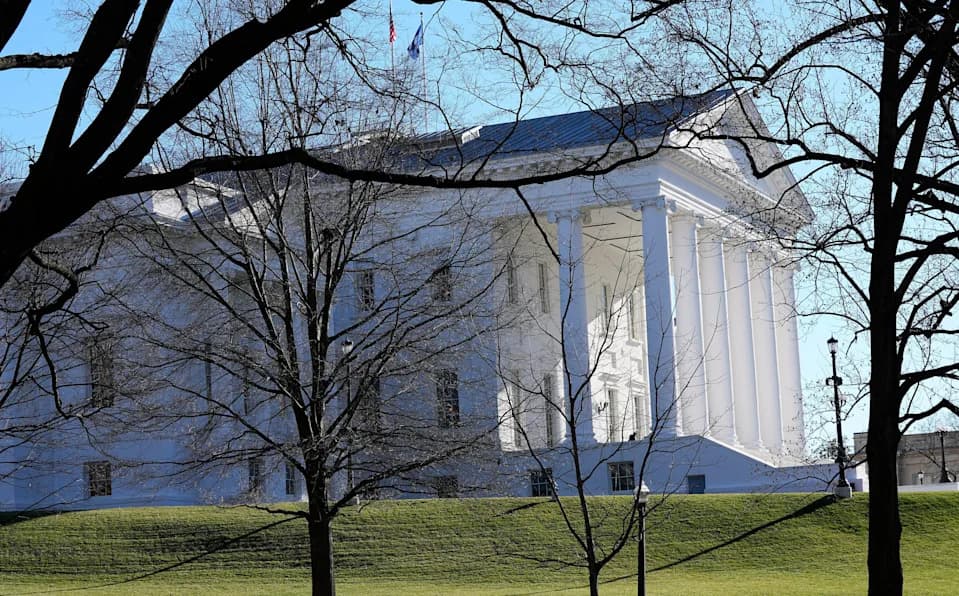
Churchville sits in heavily Republican Augusta County, which was carried by former President Trump by a wide margin in 2024. Local Democratic candidate and physician Jena Crisler lost a recent House of Delegates race by a substantial margin, illustrating how difficult it can be to make health care a motivating issue in deep-red rural areas.
Still, Democratic organizers argue that as clinic closures translate into lost access and longer travel times, voters may begin to reconsider priorities. Lynlee Thorne, political director of Rural Ground Game, emphasized the importance of in-person conversations and sustained outreach to rebuild trust.
“I think people have an interest in having real conversations about what’s going on with their lives, and there’s really nothing that can replace that person to person at your doorstep conversation,”
Thorne said.
Pediatrician and newly elected state legislator Mark Downey, who ran in a different district, said Democrats should keep prioritizing health care even if the message does not immediately flip rural voters: “It may not happen overnight. People’s minds don’t change right away, but when they start seeing loss of access, loss of services, eventually there’s going to be a situation where it’s not going to be as convenient for them or more of a hardship for them.”
Community solutions and next steps
Local business owner Dane Buse suggested residents look for creative, community-driven responses to fill gaps in care, comparing the clinic’s loss to losing a grocery store or another essential service. He proposed options such as recruiting a doctor willing to do house calls or organizing cooperative transportation to nearby facilities.
Officials representing the area were contacted for comment. A spokesperson for the state delegate did not respond, and a representative for the district in Washington did not reply to requests for comment.
The Churchville closure highlights larger strains on rural health systems after federal changes to Medicaid funding and eligibility. For now, residents are left balancing long-standing habits of traveling for care with the practical challenges of fewer local options — and a political debate about how to preserve services in small towns.
Help us improve.