Ancient DNA analyses show modern domestic cats (Felis catus) most likely originated in North Africa and spread into Europe around 2,000 years ago, probably aided by Mediterranean trade and Roman expansion. In China, people lived alongside the small leopard cat (Prionailurus bengalensis) for millennia, but leopard cats were never fully domesticated. True housecats reached China by about AD 730 via Silk Road connections. Researchers say more ancient genomes are needed to fill remaining geographic and chronological gaps.
Ancient DNA Rewrites Cat Domestication: North African Origins and China's Early Wild Companions

New ancient DNA studies are rewriting the origin story of the modern housecat. Researchers analyzed genomes from cat remains across Europe, the Middle East and Asia and found that today's domestic cat, Felis catus, has a later and different origin than long assumed — and that in parts of Asia people lived alongside a different wild felid for millennia before true housecats arrived.
What the genetic evidence shows
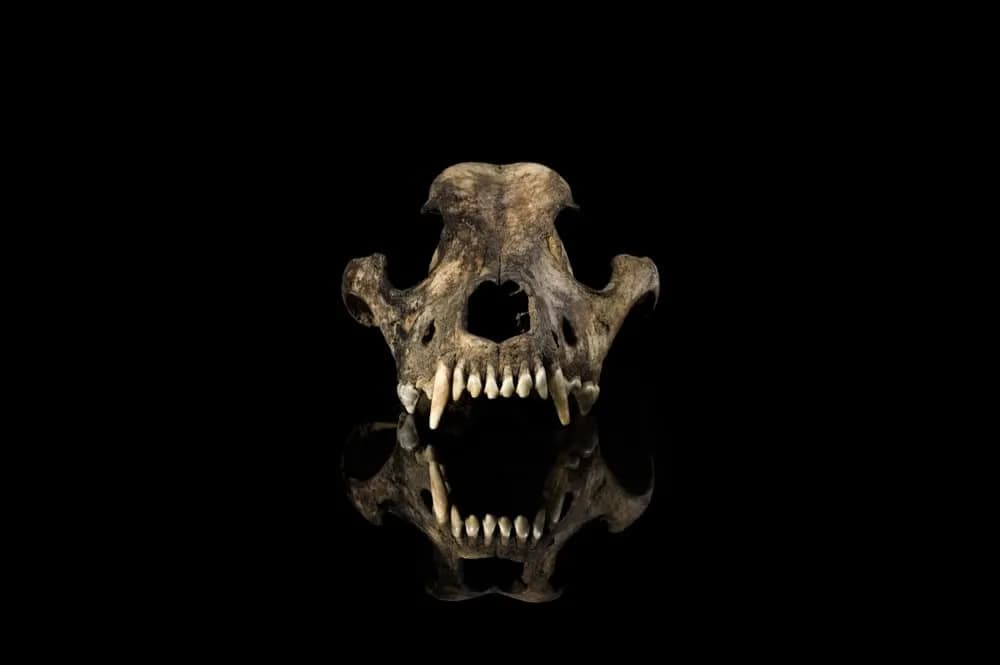
One study compared 87 ancient and modern genomes and concludes that modern Felis catus traces back to North Africa, with the African wildcat (Felis lybica lybica) as its closest ancestor. These North African-derived cats dispersed into Europe roughly 2,000 years ago, a movement likely linked to expanding Mediterranean trade networks and the Roman Empire.
A second study analyzed DNA from 22 feline remains from China and found a distinct regional story. By about AD 730, true domestic cats had reached China, probably via Silk Road trade. Long before that arrival, however, people in parts of China lived alongside the small leopard cat (Prionailurus bengalensis) for millennia — from at least 5,400 years ago until around AD 150.
Commensal partners, not full domestication
Although leopard cats frequented settlements and helped control rodents, the genetic evidence suggests they were never fully domesticated. As Shu-jin Luo of Peking University explains, their relationship with people was commensal and mutually beneficial, but there is no sign of systematic breeding or management.
“We looked at bones labeled as domestic cats going back 10,000 years and checked which matched the genome of today’s cats,” said Greger Larson of the University of Oxford. “It completely overturns the old narrative.”
Practical and cultural factors probably limited leopard-cat domestication. In Chinese folklore the species is called a “chicken-catching tiger” because it predated poultry; as poultry husbandry shifted from free-range to enclosed systems after the Han dynasty, conflicts with people increased. Combined with social upheaval and environmental change, these pressures appear to have pushed leopard cats away from villages and back into forests.
Why this matters — and what’s still unknown
These studies show how changing human economies and long-distance trade shaped different human–cat relationships in different regions. As William Taylor (University of Colorado) observed, the genetic findings tie the rise of the modern housecat to early long-distance networks such as the Silk Road.
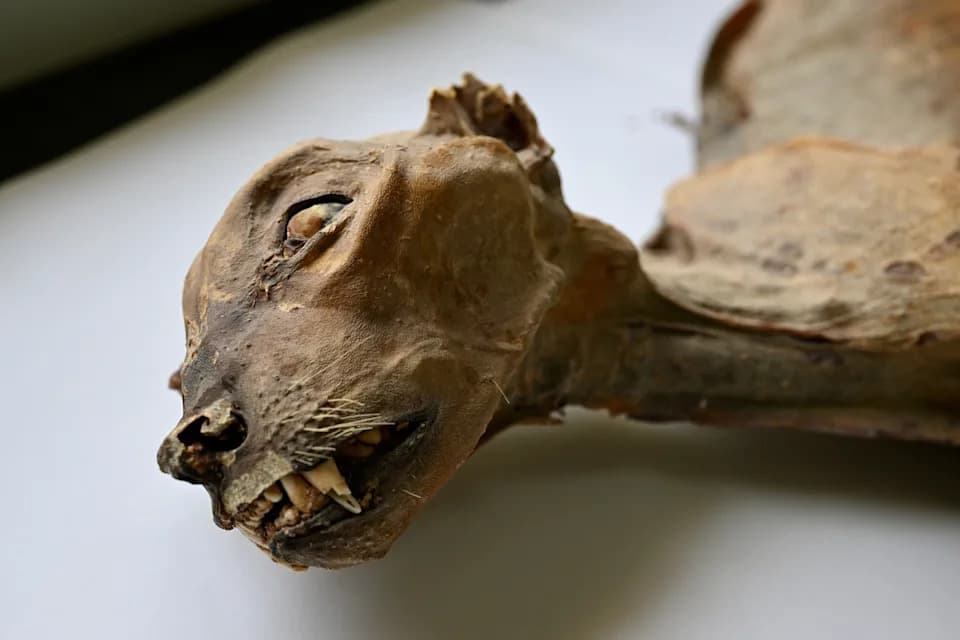
The North African origin also aligns with the prominent role of cats in ancient Egyptian culture, where cats appear widely in art and burial contexts. Researchers continue to debate whether Egypt was the primary center where domestication occurred or the place where cats shifted from pest controllers to household companions.
Important gaps remain. Many early European cat remains are genetically European wildcats rather than domestic cats despite similar skeletons, and ancient DNA from North Africa and Southwest Asia is still sparse. As Jonathan Losos of Washington University in St. Louis put it: “Cats, ever sphinx-like, give up their secrets slowly.” More ancient genomes will be needed to fully trace the long, tangled path that produced today’s housecat.
Help us improve.