State lawmakers across the U.S. report rising threats and harassment as political violence increasingly spills into state and local politics. Recent incidents include swatting calls in Indiana and a fatal June attack in Minnesota that killed House Speaker Melissa Hortman and her husband. Experts cite nationalized partisan rhetoric and high-profile attacks as drivers, and lawmakers are pursuing prevention programs, enhanced security and privacy protections for officials. Many urge bipartisan condemnations of violence and broader investment in targeted prevention efforts.
State Lawmakers Sound Alarm as Threats and Political Violence Spread Nationwide
State lawmakers across the United States report a sharp increase in threats, harassment, and violent incidents as partisan tensions spill into local politics.
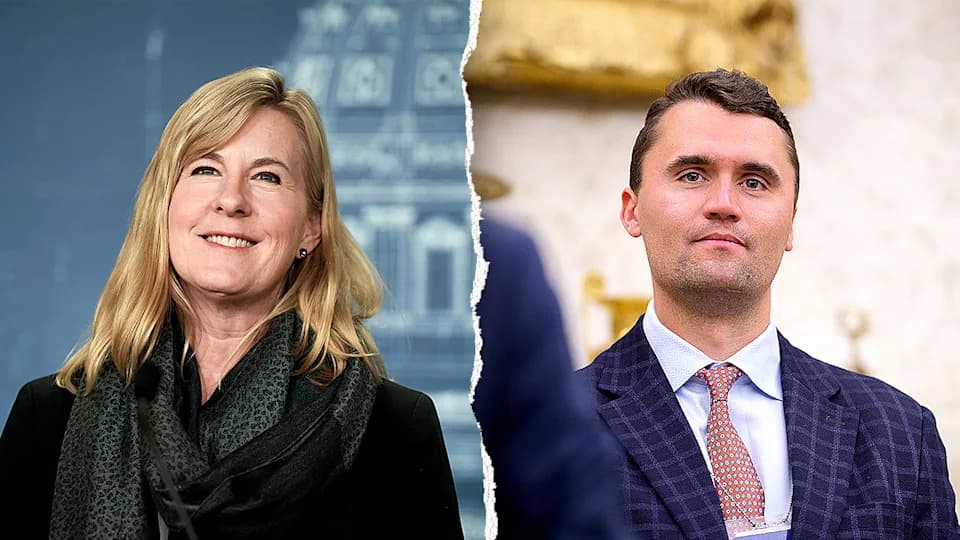
The most recent incidents occurred in Indiana, where several Republican legislators who declined to back former President Donald Trump’s redistricting effort were targeted with swatting calls at their homes. Those incidents followed a June attack in Minnesota in which a gunman killed state House Speaker Melissa Hortman (D) and her husband, and wounded another state senator and that senator’s spouse.
Lawmakers and security experts say the pattern reflects a broader national trend: high-profile political violence, heated rhetoric and the nationalization of local disputes are increasing the risk to state and local officials.
“Any time a lawmaker is targeted, such as the horrific assassination that took place this summer in Minnesota, it affects every one of us individually,” Minnesota House Speaker Lisa Demuth (R) said. “It changes everyone, it changes our community, it changes the way we do our work.”
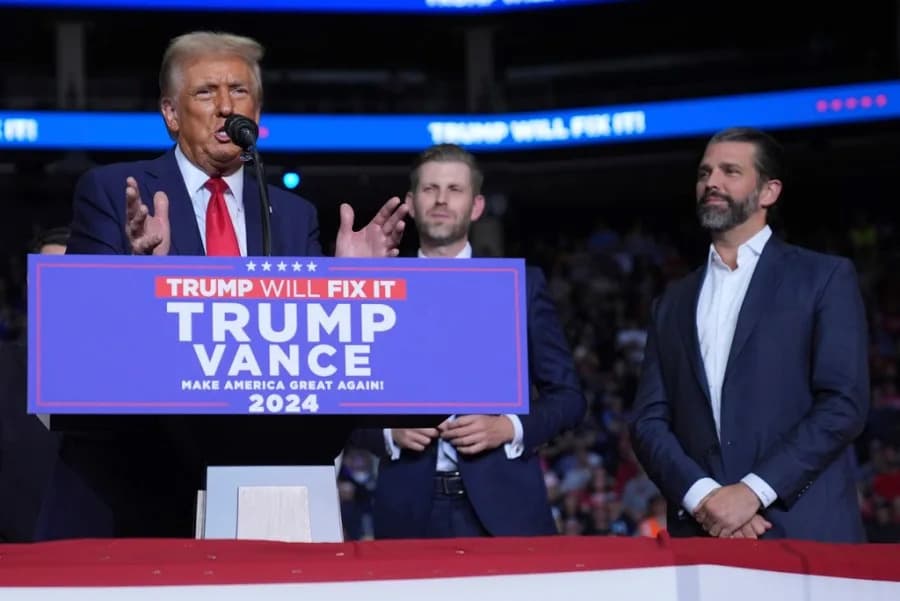
Swatting—making a false emergency call to provoke an armed police response—has unnerved legislators in Indiana. Several of those targeted had been publicly criticized by former President Trump for refusing to support his redistricting push.
Other recent incidents include threatening messages sent to Utah House Democrats after the September killing of conservative activist Charlie Kirk, emailed bomb threats against top Democratic leaders in Oregon that were judged not credible, and multiple bomb threats at an Illinois hotel where Texas Democrats stayed while protesting a GOP-led redistricting effort.
Beyond those state-level episodes, political violence has surfaced nationally: a gunman wounded former President Trump at a rally in Butler, Pa., a fire damaged Pennsylvania Governor Josh Shapiro’s home in April, and two National Guard members were shot near the White House in a recent attack. Authorities said the suspect in that case was injured and taken into custody.
Experts warn that as national politics increasingly influence local debates, state and municipal officials may face more threats.
“The tides of national politics are sweeping over them,” said Robert Pape, a political science professor at the University of Chicago. “And of course, this includes the tides of political violence.”
William Braniff, executive director of PERIL at American University and a former political-violence prevention expert at the Department of Homeland Security, pointed to charged rhetoric as a driver of this trend.
“The kind of violence we’re seeing is becoming more political, more partisan. That is due to hyper-partisan rhetoric from political leadership that dehumanizes the other side and, for many listeners, can be heard as a justification for violence,” Braniff said.
Critics have singled out former President Trump for inflammatory language. In a recent social-media post, he described certain Democrats as engaging in “SEDITIOUS BEHAVIOR, punishable by DEATH!” He later told an interviewer he was not threatening death, while also warning Democrats they were “in serious trouble.”
White House spokeswoman Abigail Jackson pushed back in a public statement, blaming rhetoric from Democrats for inspiring threats and attacks and urging Americans to embrace civic values and the rule of law.
Growing security concerns are also affecting recruitment for local office. Missouri state Sen. Mary Elizabeth Coleman (R) said it is increasingly difficult to persuade community members to run for office when candidates fear for their reputations and personal safety; she described phoning her children’s school after receiving a credible threat involving her family.
In response, some legislatures are adopting protective measures. In Michigan, state House Judiciary Committee Chair Sarah Lightner (R) helped pass a law allowing sergeants-at-arms to provide additional security for lawmakers. Another Michigan proposal that passed the House would let legislators remove certain personal information from public records to make it harder for bad actors to locate them; supporters say follow-up legislation is likely to address transparency concerns.
“We have seen political violence across the country—not just against me but against many lawmakers—and sometimes local law enforcement does not always treat it as a credible threat,” Lightner said.
Experts note that at least nine state legislatures now maintain targeted violence and terrorism prevention strategies. Braniff urged broader adoption of prevention programs that identify people in crisis, connect them to services, and reduce the likelihood of violent escalation.
Pape likewise called for bipartisan public condemnations of violence as a key element of prevention. Some lawmakers see the current moment as an opportunity to reduce partisan rancor and refocus on governing.
“This is an opportunity for us to turn a corner and get back to what people really care about—government that works for them and isn’t fighting each other all the time,” said Minnesota Senate Assistant Majority Leader Nick Frentz (DFL).
Lawmakers, security officials and experts say a mix of prevention programs, clearer law-enforcement responses, bipartisan statements against violence, and practical protections for public officials will be necessary to reduce the risk to state and local leaders as political divisions remain intense.
Help us improve.