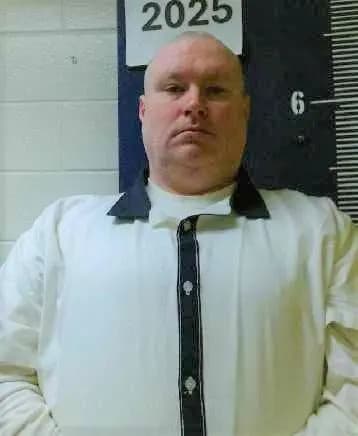
Ralph Leroy Menzies, 67, died of apparent natural causes after his execution was halted when concerns about severe dementia emerged. The Utah Supreme Court stayed his Sept. 5 execution and scheduled a new competency hearing. Menzies was convicted in 1988 for the 1986 abduction and killing of Maurine Hunsaker. The case featured conflicting rulings on his mental fitness, with a June judge's finding of competency later questioned by a medical report and the state high court.
Utah Death‑Row Inmate with Dementia Dies of Natural Causes Months After Execution Was Halted

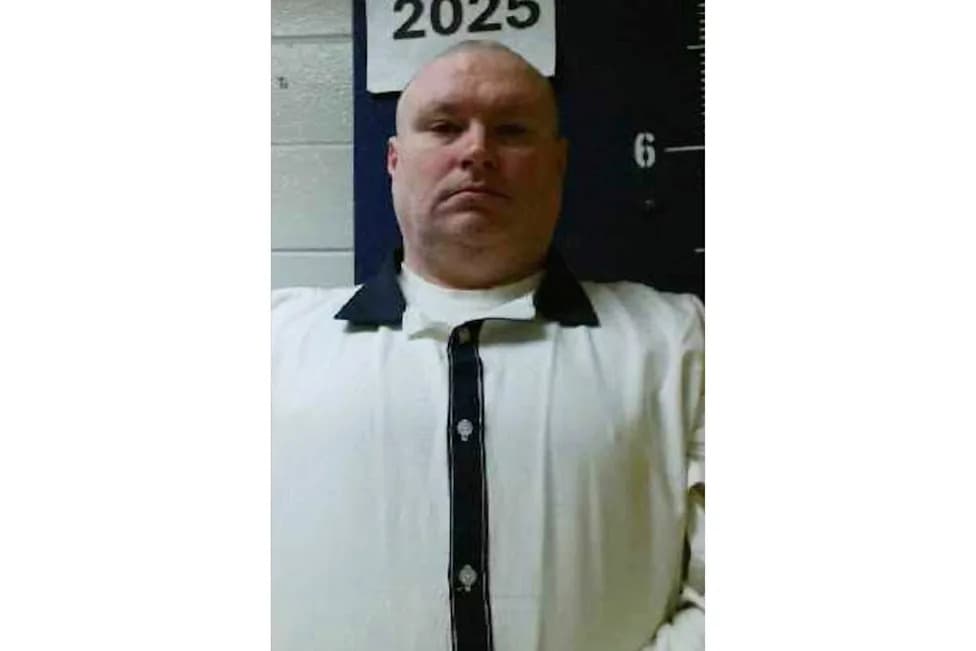
Ralph Leroy Menzies, 67, a Utah inmate whose scheduled execution was paused after he developed dementia, died of apparent natural causes on Wednesday, the Utah Department of Corrections said.
The Utah Supreme Court had halted Menzies' execution, which had been set for Sept. 5, after his attorneys argued his cognitive decline was severe. A new competency hearing to reassess his mental state had been scheduled for the following month.
Menzies was convicted in 1988 of first‑degree murder and related offenses for the 1986 abduction and killing of 26‑year‑old Maurine Hunsaker, a mother of three. Prosecutors say Menzies kidnapped Hunsaker from a convenience store near Salt Lake City on Feb. 23, 1986; her body was found days later in Big Cottonwood Canyon. Investigators recovered items belonging to Hunsaker in Menzies' possession and said her thumbprint was found in a car he had been driving.
The case became the subject of competing medical and legal assessments of Menzies' fitness for execution. In June a state judge ruled Menzies was competent, finding he "consistently and rationally understands" what was happening and why he faced execution. Later, a state medical professional concluded in a mental competency report that Menzies lacked a rational understanding of the reason for his sentence, a finding the Utah Supreme Court said raised significant doubts about his fitness to be executed.
"I think a lot of it is going to be just healing now," said Jim Hunsaker, the victim's husband, after learning of Menzies' death. "I don’t think there was a day that I didn’t think about it." He also expressed frustration with how the legal process played out over decades, saying his family endured "one disappointment after another."
Utah Attorney General Derek Brown said he hopes the victim's family will find some closure and peace following Menzies' death, noting the state had pursued justice for decades.
Menzies had selected the firing squad as his method of execution. Had the sentence been carried out, he would have been only the seventh person executed by firing squad in the United States since the death penalty was reinstated in 1977; Utah has carried out three such executions, the most recent in 2010. Utah's last execution by any method occurred by lethal injection more than a year ago.
Advocates and researchers note that many death‑row inmates spend long periods awaiting execution. The Death Penalty Information Center reports that more than half of people sentenced to death in the United States spend over 18 years on death row before an execution is carried out, a factor that often complicates legal and medical assessments of competency and punishment.
Menzies' defense team issued a brief statement expressing gratitude that he "passed naturally and maintained his spiritedness and dignity until the end."
Help us improve.