Religious leaders across Chicago have organized weekly vigils, rapid‑response teams and mutual‑aid efforts in reaction to intensified ICE and DHS enforcement that detained about 800 people as of 1 October. An interfaith coalition, Faith over Fear, trains clergy to respond to raids and helps keep houses of worship available as sanctuaries. Churches are also running Know Your Rights trainings, food distributions and legal support, and some faith leaders have sued the federal government over denied access to detainees for spiritual care. Organizers say this movement seeks both immediate protection and long‑term alternatives to militarized policing.
Chicago Faith Leaders Mobilize to Resist ICE Raids and Support Detainees

Chicago has become a focal point of intensified immigration enforcement: officials from Immigration and Customs Enforcement (ICE) and the Department of Homeland Security (DHS) detained roughly 800 people as of 1 October, and witnesses report aggressive tactics including body‑slamming and the use of teargas in residential neighborhoods.
In response, religious leaders across the city have stepped into visible, organized resistance—combining public witness, rapid response, legal action and community support.
“Faith leaders bring a very powerful prophetic and moral compass into the space,” said the Rev. Ciera Bates‑Chamberlain, executive director of Live Free Illinois. “While others may debate economic impacts or legal arguments, faith leaders typically speak for basic humanity and dignity.”
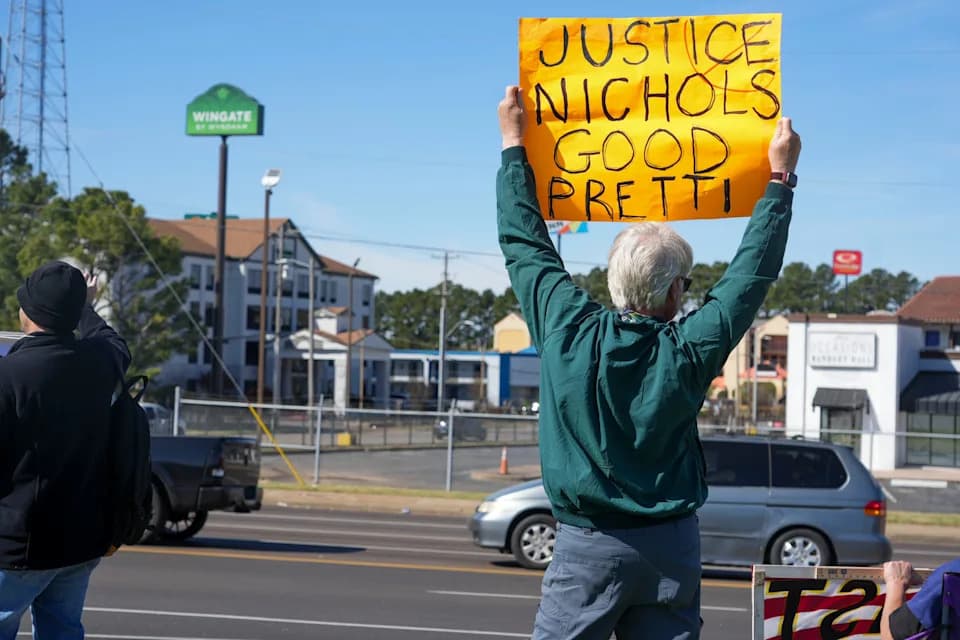
One of the most visible efforts is a weekly Friday gathering at the Broadview processing facility, where dozens from multiple faith traditions pray, protest and attempt non‑violently to block transport vans from taking detainees away. Participants report a range of spiritual practices—prayer, singing and smudging—and actions intended to witness to those held inside.
Rev. David Black of First Presbyterian Church of Chicago says clergy sometimes pray for detainees and at other times use non‑violent measures to impede van movements. He said he was struck in the head with pepper balls while praying outside the facility; other clergy and supporters have also faced arrest there.
Religious leaders have asked DHS and ICE for access to detainees so they can provide spiritual care and rituals such as communion, but officials have denied many of those requests. In response, church leaders have pursued legal action alleging violations of their First Amendment rights.
Faith communities in Chicago have built an interfaith coalition called Faith over Fear to train clergy as rapid responders to raids and to help ensure houses of worship remain safe spaces. Earlier changes in federal guidance have heightened worries: the administration clarified that in some circumstances immigration enforcement could make arrests inside churches, eroding a long‑held sense of sanctuary.
Beyond vigils and legal challenges, congregations have converted church buildings into hubs for mutual aid and organizing—offering Know Your Rights trainings, distributing food, hosting shelters, providing space for attorneys and coordinating citywide communications about raids and needs.
Clergy say the crisis has renewed public leadership for many faith communities, particularly Black churches that have historically led frontline advocacy. Organizers emphasize coalition building across racial and religious lines, noting that enforcement has affected multiple communities, including Black and Indigenous people and some U.S. citizens.
“People aren’t waiting for government to save us. They’re keeping each other safe and forming deep networks of solidarity,” one leader said. “This is about sustaining a movement that can build a different future.”
Organizers say their work is both immediate and long term: responding to raids now while building infrastructure—mutual aid, legal support and interfaith coordination—to resist militarized approaches to public safety in the future.
Help us improve.