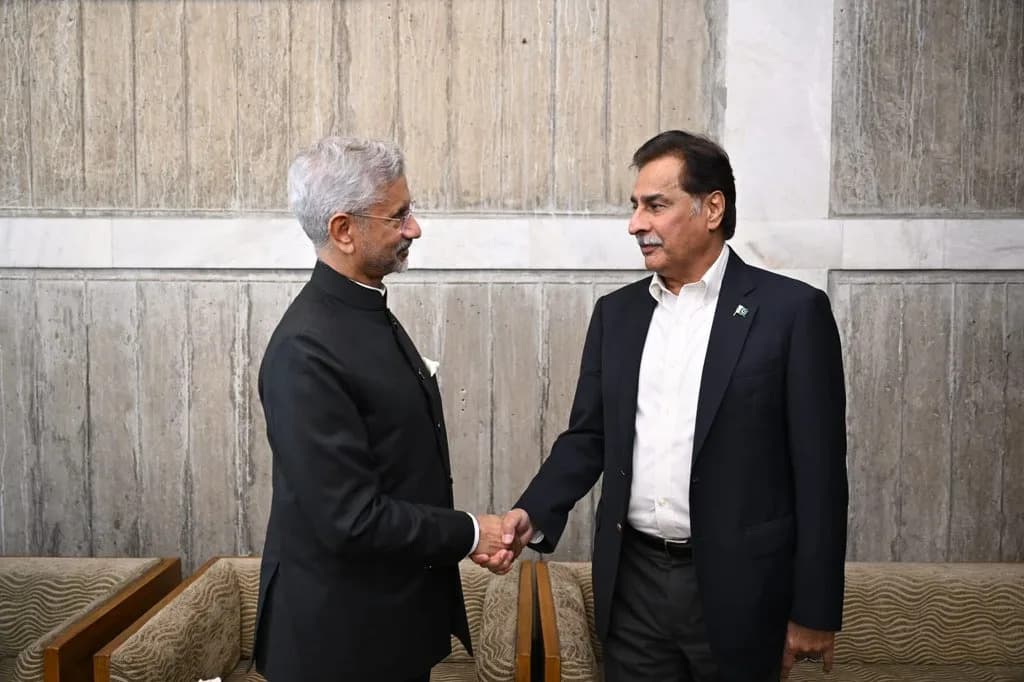
The Pakistani parliament passed constitutional amendments that grant Army Chief Field Marshal Asim Munir lifetime legal immunity, broaden his authority as "Chief of Defence Forces," and allow him to remain in office until 2030. The changes, advanced after a deadly May clash with India, expand oversight to the air force and navy and have prompted criticism from rights groups and opposition figures. Observers warn the reforms weaken checks and balances and could deepen military influence over civilian politics during a tense regional period.
Pakistan Grants Army Chief Lifetime Immunity and Expands Military Authority

Sweeping constitutional changes passed in November, combined with recent regional clashes, have significantly strengthened the Pakistani military's hold on power while diminishing civilian oversight, experts say. The reforms grant Army Chief Field Marshal Asim Munir broad new authorities and a lifetime legal shield, a development critics warn could weaken checks and balances during a sensitive geopolitical period.
What changed
Parliament approved amendments that elevate Munir to a new designation — "Chief of Defence Forces" — extend his potential tenure until 2030, and confer lifelong immunity from criminal prosecution. The changes also expand his remit to include formal oversight of the air force and the navy.
Context and implications
The military has been Pakistan's most powerful institution for decades, having ruled directly for large stretches since independence in 1947. While past army chiefs have faced legal and political vulnerability after leaving office — most notably General Pervez Musharraf, who was later convicted in absentia — analysts say the new legal protections make a similar outcome unlikely this time.
"Lifelong immunity means that tomorrow, if Asim Munir imposes a martial law, he will never be tried for committing an act of treason," said defence analyst Ayesha Siddiqa.
Islamabad-based legal expert Osama Malik warned the amendments mark a departure from previous practice: "The constitution itself is being disfigured during a civilian government, and not when a martial law is imposed." Observers say the changes were fast-tracked amid heightened tensions following a deadly May clash with India and renewed skirmishes along the Afghan border.
Domestic reaction
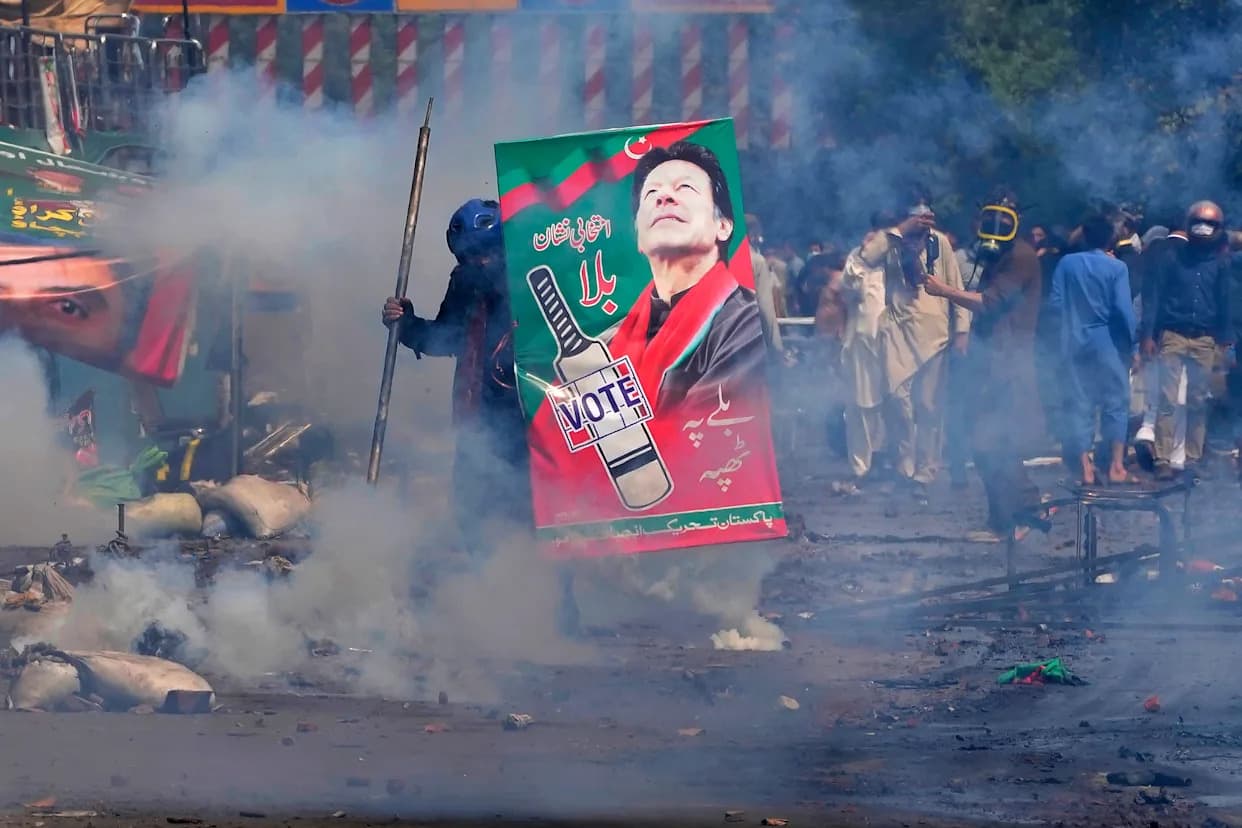
Opposition figures and rights groups have criticized the measures. The Human Rights Commission of Pakistan said the changes "further weaken essential checks and balances at a time when public trust in state institutions is fragile." Political opponents of Imran Khan argue the moves reflect fears about his popular support, while many Pakistanis who expected robust civilian governance have largely remained silent or offered only short-lived online protests.
Zulfikar Bukhari, a spokesman for Imran Khan's Pakistan Tehreek-e-Insaf, said: "Everything that is being done in Pakistan, let it be constitutional amendments or new parallel forces, is out of fear of Imran Khan and his popularity." Defence Minister Khawaja Asif has described the arrangement as a "hybrid" model in which key decisions reflect both civilian and military influence.
Political background
Munir previously led the Inter-Services Intelligence (ISI) agency but was removed from that post in 2019 after eight months for reasons that have not been publicly explained. He was later elevated to army chief by Prime Minister Shehbaz Sharif following a period of political turbulence that included the ousting of Imran Khan by a no-confidence vote in 2022.
International dimension
Munir has increased his international profile with recent official visits abroad. Public remarks by influential foreign figures praising him have drawn attention at home, where observers note that past visiting army chiefs typically appeared in uniform while Munir has appeared in civilian dress during some high-profile meetings.
What to watch
Analysts say the amendments give Munir the ability to influence the next national elections and alter the balance between civilian institutions and the military. Critics warn this may erode judicial independence and civilian oversight unless counterbalanced by strong public institutions or renewed political pushback.
Help us improve.