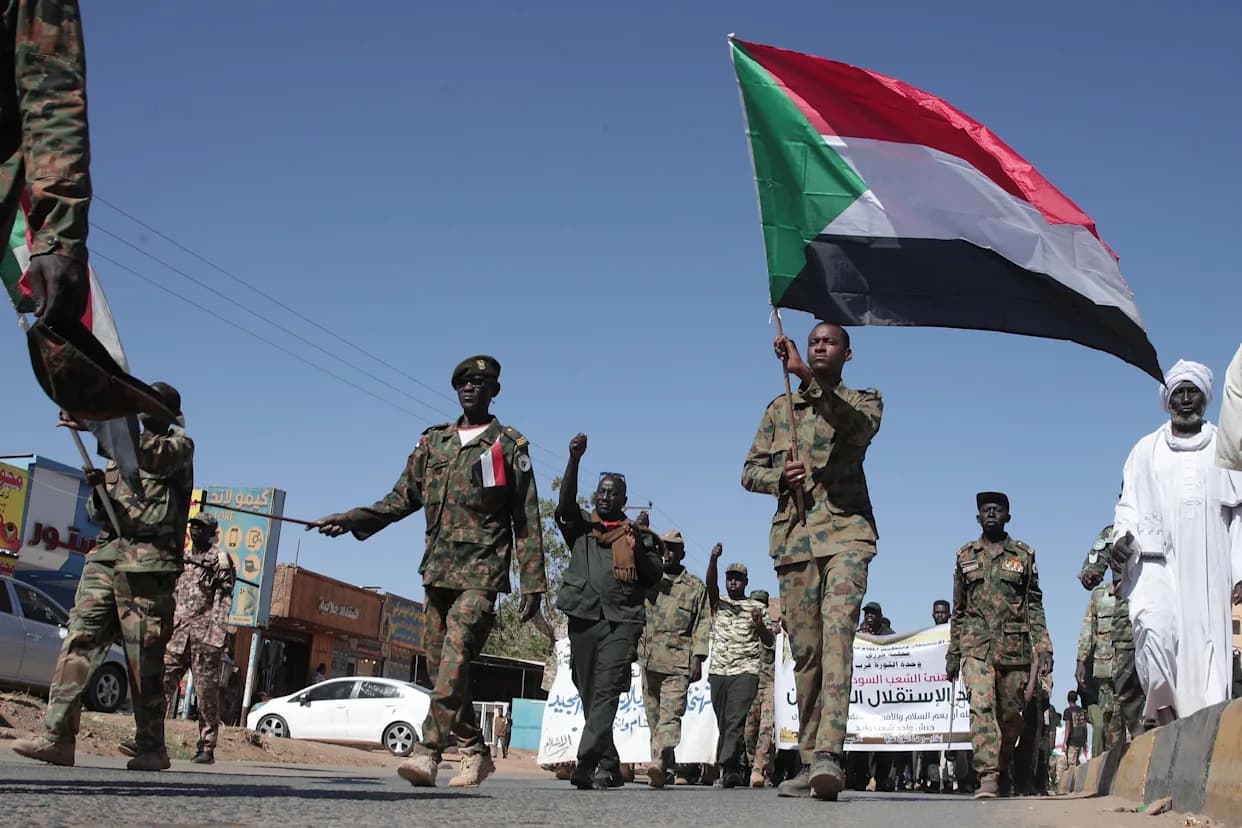
President Donald Trump has pledged to use presidential influence to press for an immediate halt to Sudan’s two‑year war that has displaced nearly 12 million people. Analysts say his intervention could help secure short‑term reductions in violence and mediate among external backers, but that durable peace will be difficult. Key obstacles include continued foreign support for the RSF, the reluctance to pressure important regional partners, and deep tribal and ethnic fractures that require long‑term political solutions.
Trump Vows to Use Presidential Influence to Halt Sudan’s War — What Can He Achieve?

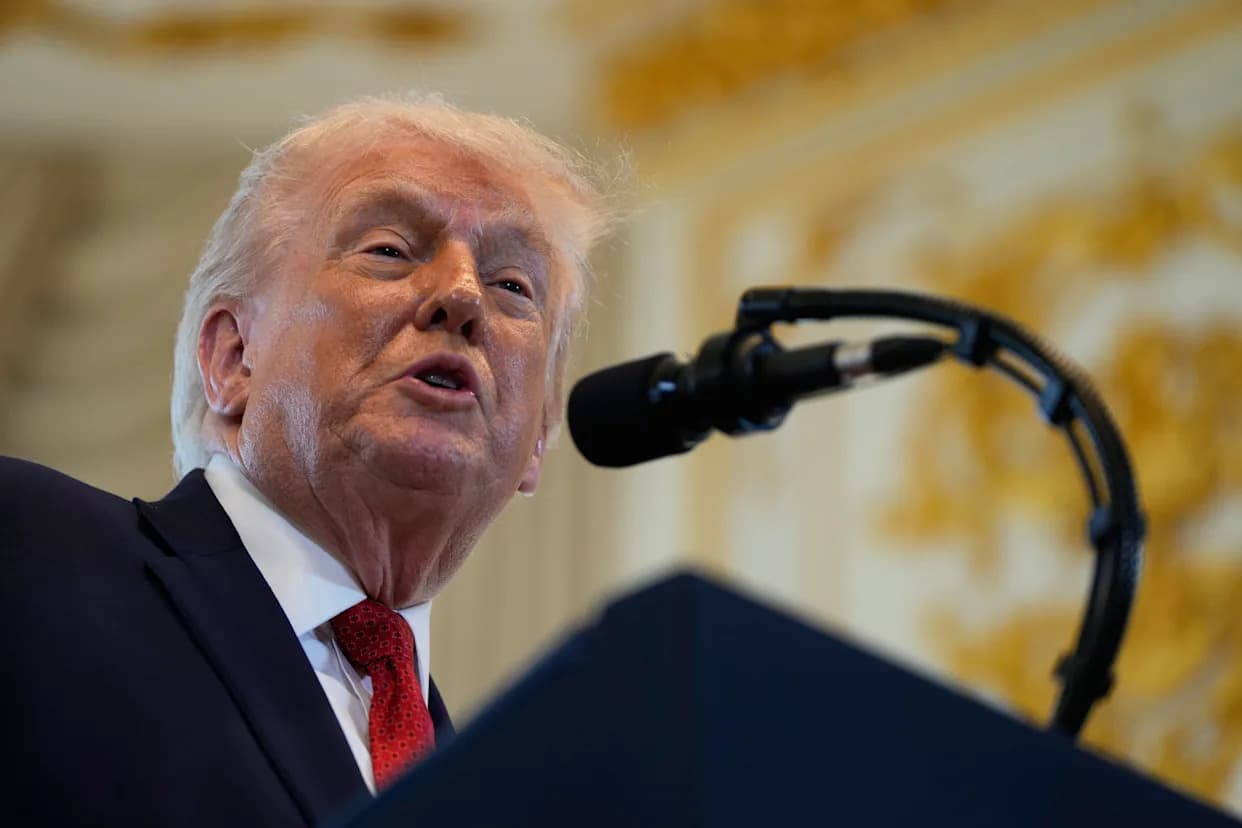
President Donald Trump has pledged to deploy the "influence of the presidency" to press for an immediate halt to the two‑year war in Sudan that has displaced nearly 12 million people and killed tens of thousands. His announcement followed a personal appeal from Saudi Crown Prince Mohammed bin Salman and represents a high‑profile turn in long‑stalled diplomatic efforts.
What the pledge means
Trump said he would engage directly after the Saudi request, calling the situation "crazy and out of control" and promising to "start working on Sudan." The conflict pits the Sudanese Armed Forces (SAF) against the paramilitary Rapid Support Forces (RSF) and has produced widespread atrocities and what many experts call the world’s largest humanitarian emergency.
Where U.S. leverage could matter
Analysts say the president’s intervention could help secure important short‑term gains — for example, pushing for temporary pauses in fighting, enlarging humanitarian access and exerting pressure on outside backers who sustain the conflict. Cameron Hudson, an Africa analyst and former National Security Council director for African affairs, argues that the U.S. is well positioned to mediate among regional powers backing different sides.
“There’s a whole bunch of very needed and necessary short‑term objectives that the president can help to bring about,” Hudson said, noting that Washington’s relationships with regional actors give it unique leverage at the negotiating table.
Limits and complications
Experts caution that personal involvement alone will not end a war that has deep tribal, ethnic and political roots. Kholood Khair, director of the Khartoum‑based Confluence Advisory, said diplomatic momentum is weak and that a truce before year‑end appears unlikely given recent rejections of ceasefire proposals by Sudanese commanders.
The conflict has been amplified by outside support. U.S. lawmakers and a UN panel of experts have accused the United Arab Emirates of supplying weapons to the RSF; the UAE denies these allegations. Observers say cutting off external military assistance would be critical to reducing violence, but that doing so may require the United States to confront partners it values on other strategic priorities.
Senator Marco Rubio recently called for stronger measures to "cut off the weapons and the support the RSF is getting," saying pressure is being applied at high levels. Yet some analysts note that Washington may have more influence over outside backers than over the warring parties themselves, and that the kinds of deals Trump favors — negotiated among regional powerbrokers — may produce rapid but fragile outcomes.
Longer‑term challenges
Former U.S. envoys and Sudanese experts warn that a ceasefire between military leaders, while necessary, will not by itself resolve the underlying drivers of the conflict. Jeffrey Feltman, a former U.S. special envoy, has argued that external actors will only take sustained action if they believe the U.S. leadership prioritizes Sudan. Manal Taha, a Sudanese security and peace‑process specialist, emphasizes that the war’s ethnic and tribal dimensions and the scale of atrocities create generational trauma that must be addressed as part of any durable peace.
In short, Trump’s pledge adds momentum and could help achieve short‑term humanitarian and diplomatic wins — but experts warn that durable peace will require sustained, detailed engagement, pressure on external supporters, and a comprehensive process to confront grievance, accountability and reconstruction.
Help us improve.