FEMA, acting for DHS, has suspended Catholic Charities of the Rio Grande Valley and proposed a rare six-year debarment after audits found significant intake-data errors and at least 248 instances of billing outside the permitted 45-day window. Auditors reported A-number error rates of 21%, 26% and 42%, and FEMA could not locate 61 of 100 sampled names in DHS systems. CCRGV has 30 days to respond; if debarred it would be barred from most federal funding while investigations continue.
DHS Seeks Rare Six-Year Debarment for Rio Grande Valley Catholic Charities After Audit Finds Major Record and Billing Problems

The Department of Homeland Security (DHS), through FEMA, has suspended federal funding to Catholic Charities of the Rio Grande Valley (CCRGV) and proposed a rare six-year debarment after audits identified widespread inaccuracies in migrant intake records and repeated billing outside federally allowed timeframes.
Key findings from the DHS review
Data inconsistencies: Auditors reported that A-numbers and other identifying data were frequently missing, truncated, or replaced with incorrect entries. Error rates in three reviewed spreadsheets reached 21%, 26% and 42%. When FEMA checked a sample of 100 names the organization submitted, it could not locate 61 of them in DHS systems.
Billing violations: Investigators identified at least 248 instances in which CCRGV billed FEMA programs for services provided after the 45-day window that federal guidelines permit for migrants released from DHS custody. FEMA noted that such billing raises concerns about the appropriate use of federal funds and could constitute "potential criminal activity," though no criminal referral has been announced.
Internal controls and audits: CCRGV’s own FY 2024 audit reportedly flagged material weaknesses in internal controls over federal awards, inconsistent intake procedures, and missing documentation for roughly 5% of sampled recipients. FEMA found that corrective-action plans were often repeated year to year with little evidence of substantive improvement.
Programs and process under scrutiny
The DHS allegations focus on records submitted to justify payments under FEMA’s Emergency Food and Shelter-Humanitarian program (EFSP-H) and the Shelter Services Program. FEMA requested names, A-numbers, countries of origin and proof of DHS encounters for people the charity reported assisting. CCRGV had represented that its spreadsheets were accurate within a 4.99% margin of error; auditors concluded the error rates were substantially higher.
Consequences and next steps
The proposed six-year debarment—unusually long compared with typical three-year federal suspensions—would exclude CCRGV from most federal funding streams and place the organization on the System for Award Management (SAM) list, signaling other agencies and pass-through partners not to issue new grants. CCRGV has 30 days to respond, submit documentation, or request a meeting to demonstrate that it remains "presently responsible." If it fails to respond or to resolve the issues, the debarment would likely be imposed.
During the suspension period the organization may continue operating but cannot receive new federal awards. DHS has indicated additional investigations are ongoing and that further debarments may follow where problems are found.
Context and reactions
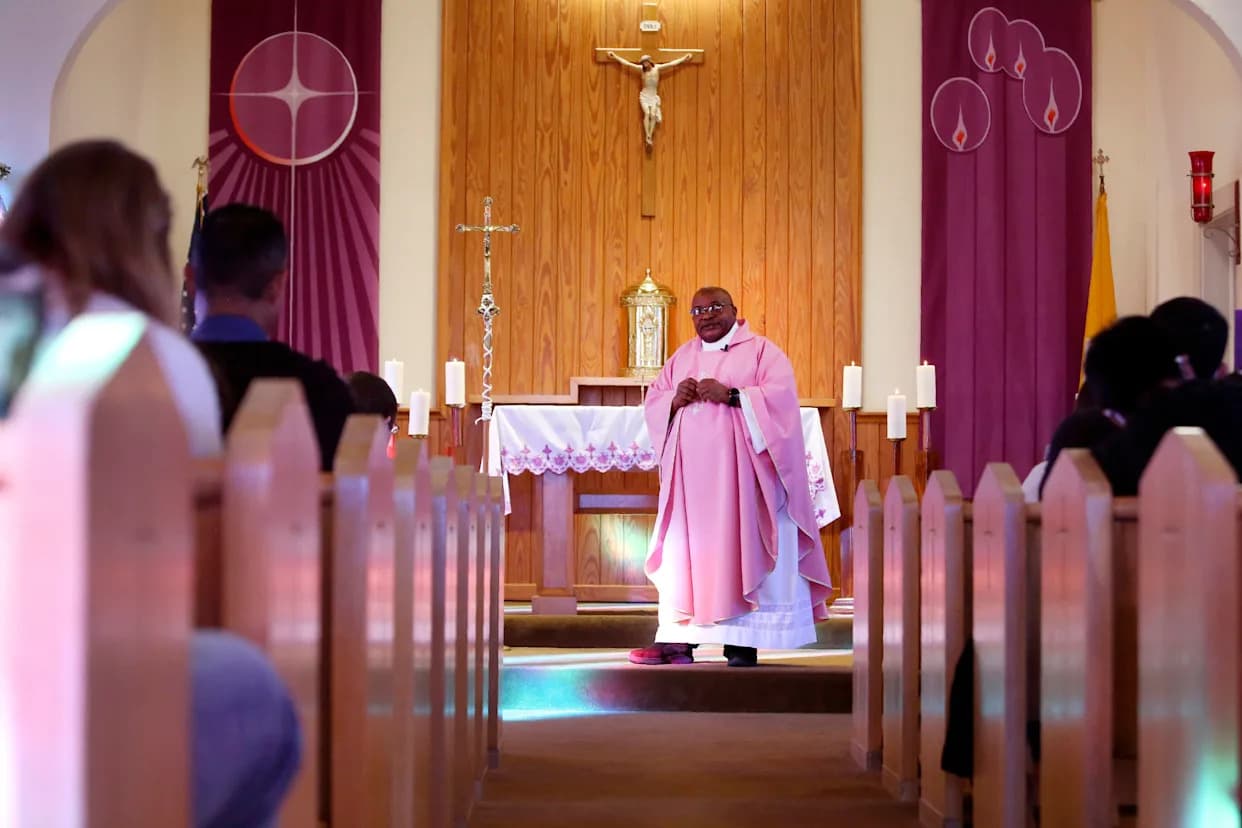
Sister Norma Pimentel, who leads the Rio Grande Valley branch and is known nationally for migrant ministry and running a humanitarian respite center, remains a prominent figure in the region. The Rio Grande Valley affiliate has been a focal point in broader legal and political disputes over migrant shelters: Texas Attorney General Ken Paxton has filed suits against several shelters in the state. It remains unclear whether other local shelters or municipal partners could absorb CCRGV’s caseload if the nonprofit is cut off from federal funds.
What to watch: Whether CCRGV’s response within the 30-day window will provide documentation or corrective measures sufficient to avoid debarment; whether DHS refers the matter for criminal review; and whether other grant recipients face similar enforcement actions as DHS continues its audits.
Help us improve.