President Emmanuel Macron unveiled a voluntary 10-month national service for 18- and 19-year-olds that could be transformed into compulsory national service if parliament authorises a broader call-up during a major crisis. The scheme aims to recruit 3,000 people in year one, rising to 10,000 by 2030 and 50,000 by 2035; recruits will receive €800 per month. The programme will add about €2bn to defence spending and comes amid heightened European efforts to strengthen military readiness. The announcement followed controversial comments by France's armed forces chief and has prompted debate about preparedness and militarisation.
Macron launches voluntary national service that could be made compulsory in a major crisis

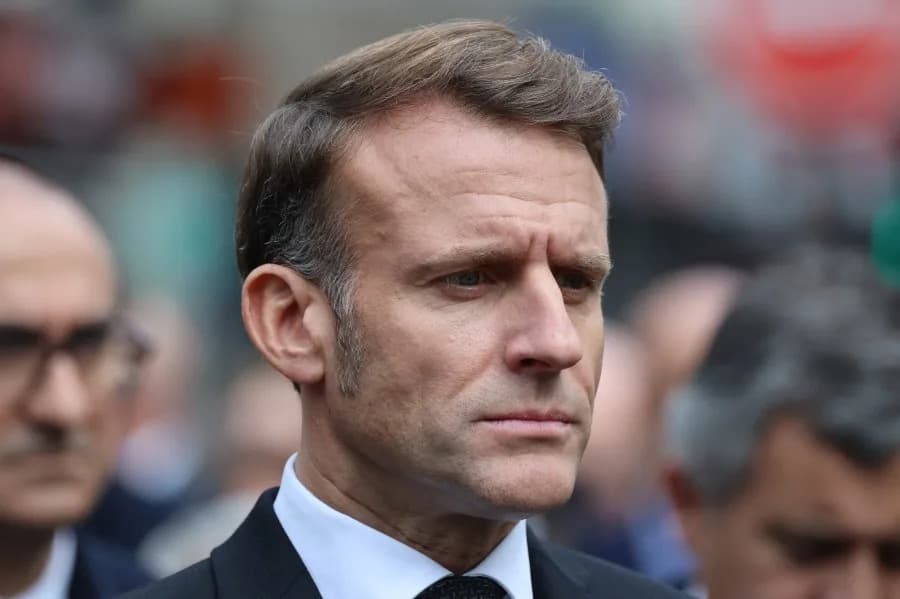
President Emmanuel Macron has announced a new voluntary national service for 18- and 19-year-olds and said it could be expanded into compulsory national service if parliament authorises a wider call-up during a major crisis.
Key details of the plan
Macron presented the scheme during a speech to the 27th Mountain Infantry Brigade in Varces, Isère. Registration is due to open in January. Officials aim to recruit 3,000 participants in the first year, increasing to 10,000 by 2030 and 50,000 by 2035. Recruits will serve for 10 months, will be paid €800 per month, and may be assigned to duties on mainland France or in overseas territories.
"In the event of a major crisis, parliament could authorise the call-up, beyond just volunteers, of those whose skills have been identified during this day of mobilisation, and then national service would become compulsory." — Emmanuel Macron
Cost and purpose
Macron said the programme will require an additional €2bn in defence spending. He framed the initiative as part of a broader effort to strengthen national resilience amid growing geopolitical instability, saying that preparedness — not panic — is the nation's best defence.
Controversy and wider European context
The announcement followed remarks by France's new armed forces chief, Gen Fabien Mandon, who said the country must be prepared to "lose its children" in a conflict with Russia — comments that drew strong criticism across the political spectrum and accusations of alarmism.
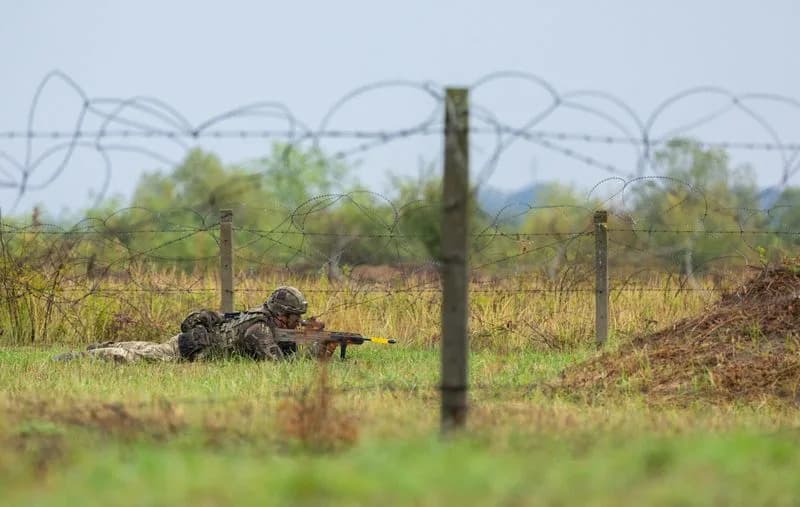
Macron pointed to similar moves elsewhere in Europe to illustrate a wider shift toward bolstering military readiness. Recent steps include Germany's new military service measures, Denmark's expansion of conscription to include women and a longer service period, and Eastern European countries such as Lithuania and Latvia reinstating conscription after Russia's actions in 2014 and beyond. Finland, which shares a long border with Russia, retains mandatory service of six to 12 months and is considering raising reserve ages. Other countries with conscription include Greece, Cyprus, Austria and Switzerland. The United Kingdom ended conscription in 1960 and has not revived it under the current government.
This plan represents a hybrid approach: a voluntary programme meant to build skills and civic readiness now, with a legal route to expand participation if a severe national emergency requires wider mobilisation.
Help us improve.