Ralph Leroy Menzies, 67, who developed dementia after roughly 37 years on Utah's death row, died of apparent natural causes three months after the state Supreme Court blocked his scheduled firing‑squad execution. A mid‑December competency hearing had been set after medical experts concluded Menzies lacked a rational understanding of his pending execution. He was convicted in the 1986 abduction and killing of Maurine Hunsaker; investigators cited her thumbprint in his car and her purse in his apartment as evidence. Family members and officials reacted with a mix of relief, frustration and hope for closure.
Utah Death-Row Inmate with Dementia Dies Three Months After Court Blocked Execution

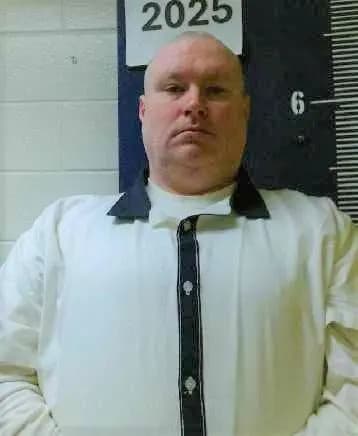
Ralph Leroy Menzies, 67, who had been removed from a scheduled firing‑squad execution after developing dementia during roughly 37 years on Utah's death row, died Wednesday of apparent natural causes, the Utah Department of Corrections said.
Execution stayed amid questions about competency
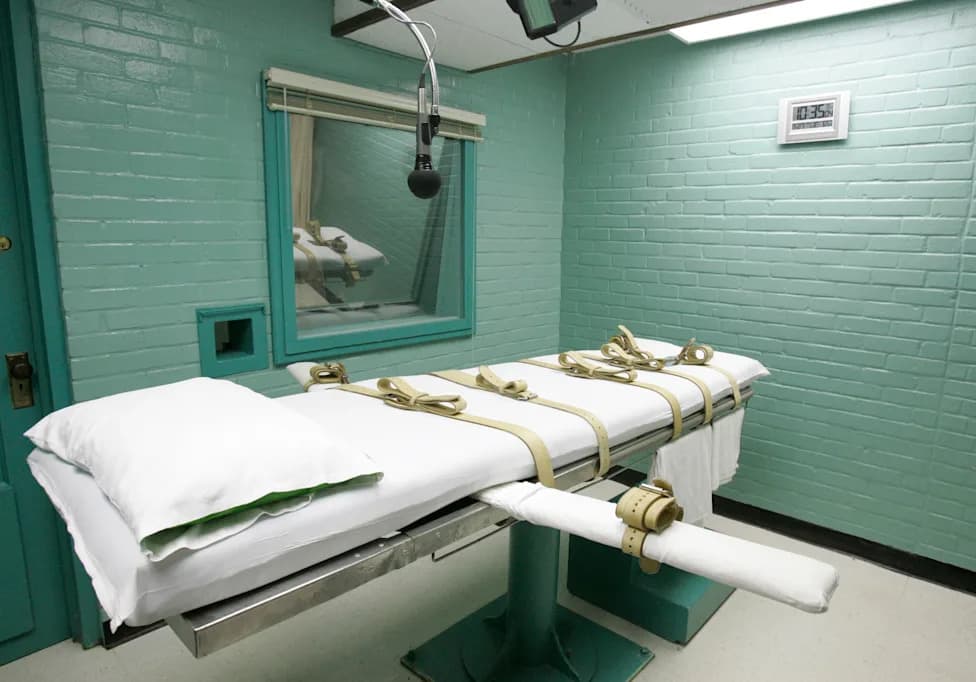
Menzies had been scheduled to die by firing squad in September. In August the Utah Supreme Court halted the execution after his attorneys argued his dementia had progressed to the point that he was no longer competent to be executed. A judge had set a new competency hearing for mid‑December to reassess his mental state.
Conviction and evidence
Menzies was convicted in the 1986 abduction and killing of 26‑year‑old Maurine Hunsaker, a mother of three, near Salt Lake City. Prosecutors say he abducted Hunsaker from the convenience store where she worked on February 23, 1986, while he was on parole. Two days later, a hiker found her body in Big Cottonwood Canyon; authorities said she had been strangled and her throat slashed.
Investigators reported finding Hunsaker's thumbprint in a car Menzies had been driving. Her purse was recovered from Menzies' apartment, and officers later found her wallet and other possessions when Menzies was jailed on unrelated charges.
Medical findings and legal implications
This summer the Utah Supreme Court said the progression of Menzies' disease raised a substantial question about whether he was fit for execution. A state medical professional concurred in a recent competency report, concluding Menzies lacked a rational understanding of why he faced execution.
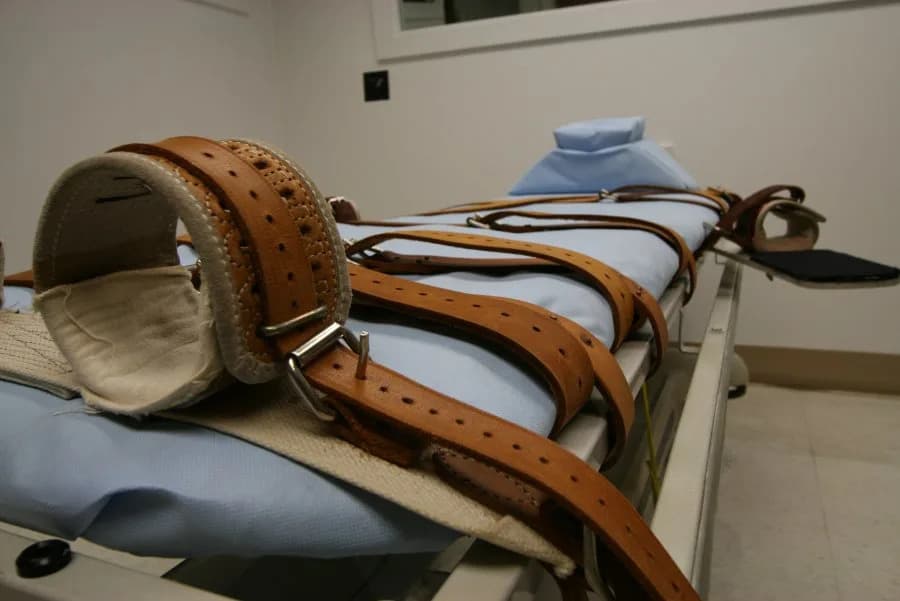
Had the execution proceeded, he would have been the seventh U.S. prisoner put to death by firing squad since the death penalty was reinstated in 1977. Utah's most recent execution, carried out by lethal injection, took place just over a year ago; the state has not used a firing squad since 2010.
Reactions
"I felt a happy feeling," said Jim Hunsaker, Maurine's husband. "It felt like 100 pounds had been lifted off me. I think a lot of it is going to be just healing now." He also expressed frustration with the long and often disappointing path his family experienced through the judicial process.
Utah Attorney General Derek Brown said he hopes the family can now find some closure and peace. Menzies' legal team released a statement saying, "We're grateful that Ralph passed naturally and maintained his spiritedness and dignity until the end."
Broader context
Menzies is one of several inmates who have died of natural causes while remaining on death row. According to the Death Penalty Information Center, more than half of people sentenced to death in the United States wait more than 18 years for execution, underscoring lengthy appeals and review processes in capital cases.
Help us improve.