Researchers are investigating whether the decline in estrogen during perimenopause contributes to women’s higher Alzheimer’s rates, and whether hormone replacement therapy (HRT) started in midlife could lower dementia risk. A new $50 million effort, CARE, will analyze biomarkers from millions of women to explore sex-specific mechanisms. Observational studies suggest HRT begun near menopause may reduce Alzheimer’s risk, while starting therapy after age 65 may raise it, but randomized trials are needed. Experts say HRT should not currently be used solely to prevent Alzheimer’s; its use remains indicated primarily for treating menopausal symptoms.
Can Midlife Hormone Therapy Help Prevent Alzheimer’s in Women? New Research Targets a Critical Window
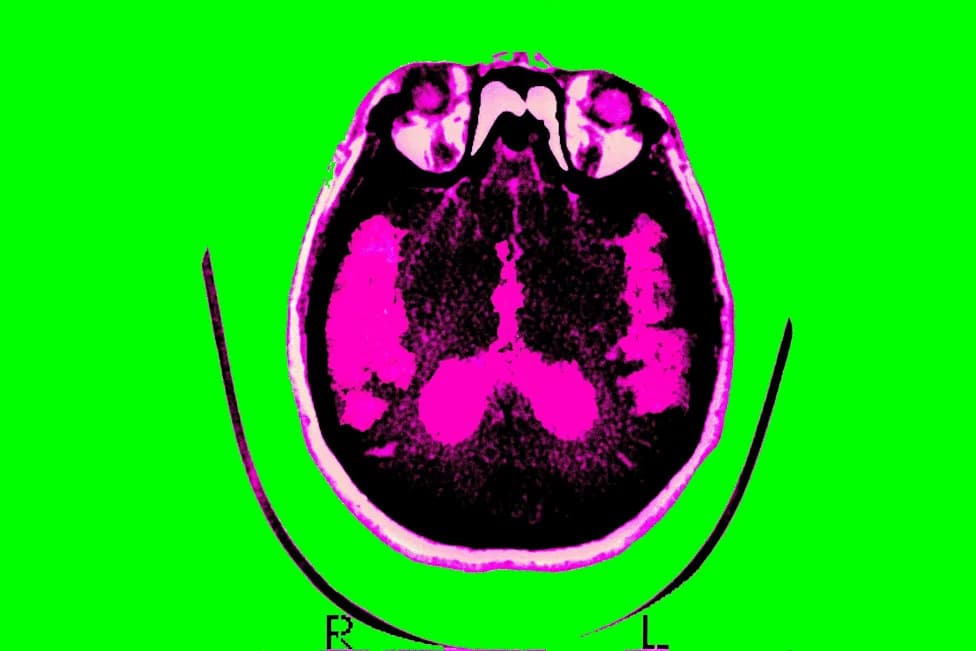
For decades clinicians have been puzzled by why women develop Alzheimer’s disease at almost twice the rate of men. Current estimates put about 7 million people in the U.S. living with Alzheimer’s, with that number projected to approach 13 million by 2050; roughly two-thirds of those affected are women.
Growing evidence suggests the drop in estrogen that occurs during perimenopause and menopause may be a key factor. Estrogen supports cardiovascular health, bone density and several important brain functions: it helps protect neurons from inflammation and stress, supports blood flow and helps the brain use energy efficiently. As estrogen levels fall, the brain may lose some of these protective effects.
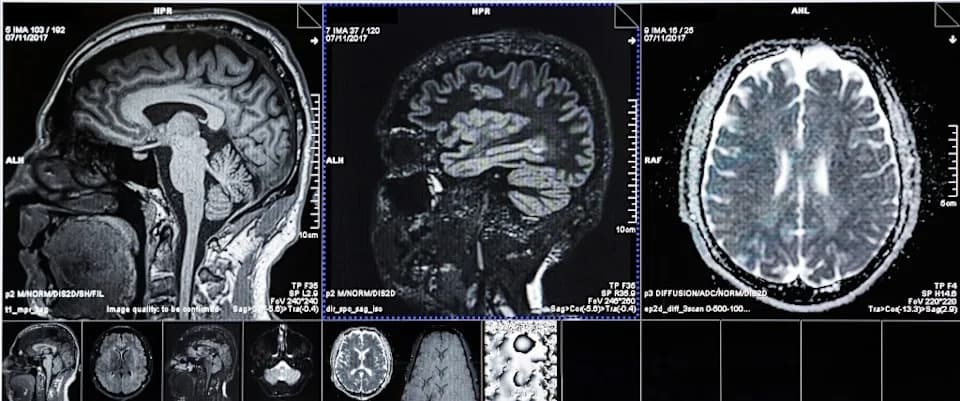
Researchers are increasingly focused on perimenopause — often beginning in a woman’s early to mid-40s — as a potential "critical window" when hormone replacement therapy (HRT) might preserve brain health and reduce long-term dementia risk. Lisa Mosconi, director of the Alzheimer’s Prevention Program at Weill Cornell Medicine, is leading a new $50 million initiative called CARE (Cutting women’s Alzheimer’s risk through endocrinology) that aims to analyze biomarkers from millions of women to better understand sex-specific risk factors.
Part of the renewed interest follows the U.S. Food and Drug Administration’s recent removal of a long-standing black-box warning on certain forms of HRT, a regulatory change that may reduce stigma and encourage more research and clinical use in appropriate patients. Clinicians caution, however, that regulatory change alone does not settle the scientific questions about long-term cognitive benefits and risks.
What the research shows
A number of large reviews and observational studies suggest a possible benefit when estrogen therapy is begun in midlife or within about 10 years of a woman’s final menstrual period. Mosconi’s 2023 review in Frontiers in Aging Neuroscience, which pooled more than 50 studies, found that estrogen therapy started in midlife was associated with a lower risk of dementia. A separate large review presented at a recent neurology meeting reported up to a 32% lower Alzheimer’s risk among women who began HRT within five years of menopause; that analysis also found an increased risk when therapy was initiated at age 65 or older.
These findings have prompted the hypothesis that HRT may be protective only during a limited window when the brain still expresses adequate estrogen receptors. Mosconi and colleagues propose that as estrogen levels fall during menopause, the brain temporarily upregulates estrogen receptors to capture remaining hormone. If low estrogen persists, receptor levels may later decline, potentially closing this window of responsiveness.
Important caveats and unanswered questions
Experts emphasize that most existing evidence is observational and cannot prove cause and effect. Randomized, large-scale clinical trials are needed to determine whether HRT prevents Alzheimer’s, which formulations or doses might help, how long treatment should continue, and whether benefits vary by genetic risk. Hormone preparations prescribed clinically may differ from the body's own estrogen in important ways, and the brain’s response to endogenous versus exogenous hormone remains unclear.
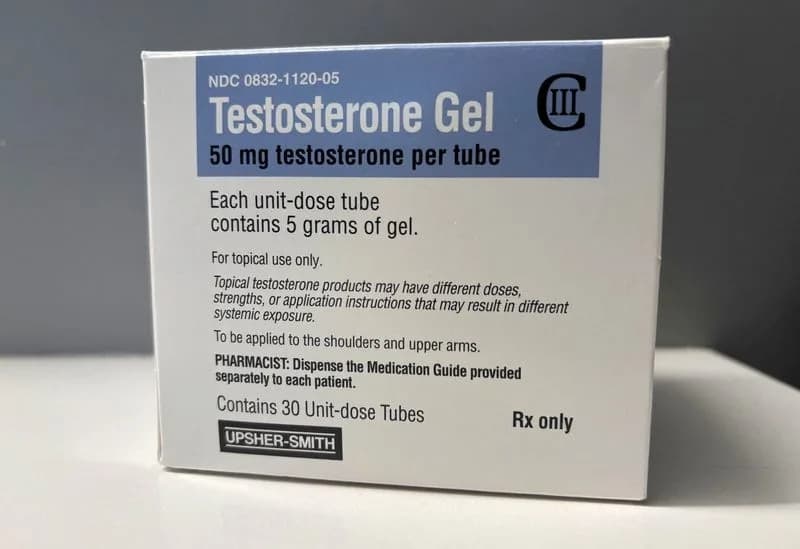
Men have far fewer estrogen receptors in the brain and different patterns of hormone exposure, which likely contributes to sex differences in Alzheimer’s risk. Whether male hormone therapies such as testosterone replacement could affect dementia risk in men is an open question requiring much more research.
Practical guidance today
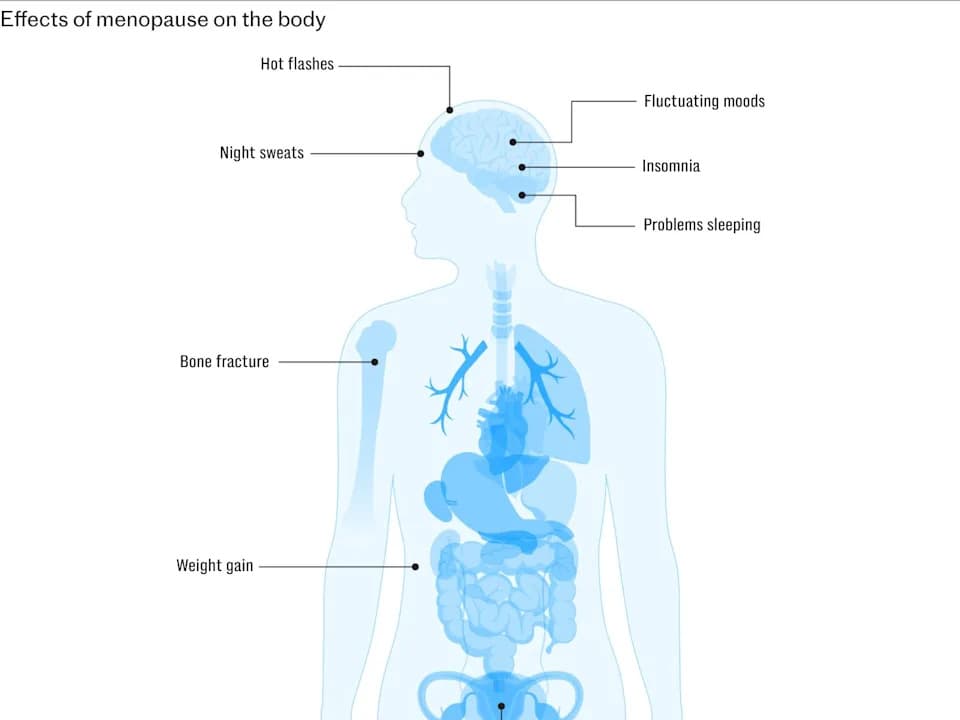
Leading clinicians advise that HRT should not currently be prescribed solely to prevent Alzheimer’s disease. "We do not use hormone therapy for Alzheimer’s prevention right now," Mosconi notes, and clinical guidelines do not recommend HRT exclusively for dementia prevention. Instead, HRT remains a tool to treat moderate to severe menopausal symptoms—such as hot flashes, night sweats, sleep disruption and significant mood changes—that impair quality of life. Improving sleep and mood by treating these symptoms may indirectly benefit cognition.
Researchers remain optimistic that removing regulatory barriers will expand appropriate use of HRT and, importantly, enable better research into long-term cognitive outcomes. Until more definitive trial data are available, decisions about HRT should be individualized, weighing menopausal symptom burden, personal and family medical history, and the known risks and benefits of therapy.
Help us improve.