This article examines which everyday items are actually recycled and which often end up in landfills. Using data from Grayparrot — a U.K. waste analytics firm that analyzes over 100 billion pieces of waste per year — it explains how recycling rates vary widely across products. Learn the common reasons items fail to be reclaimed and then try a short quiz to test your recycling knowledge.
Quiz: Which Everyday Items Are Truly Recycled — and Which End Up in Landfills?

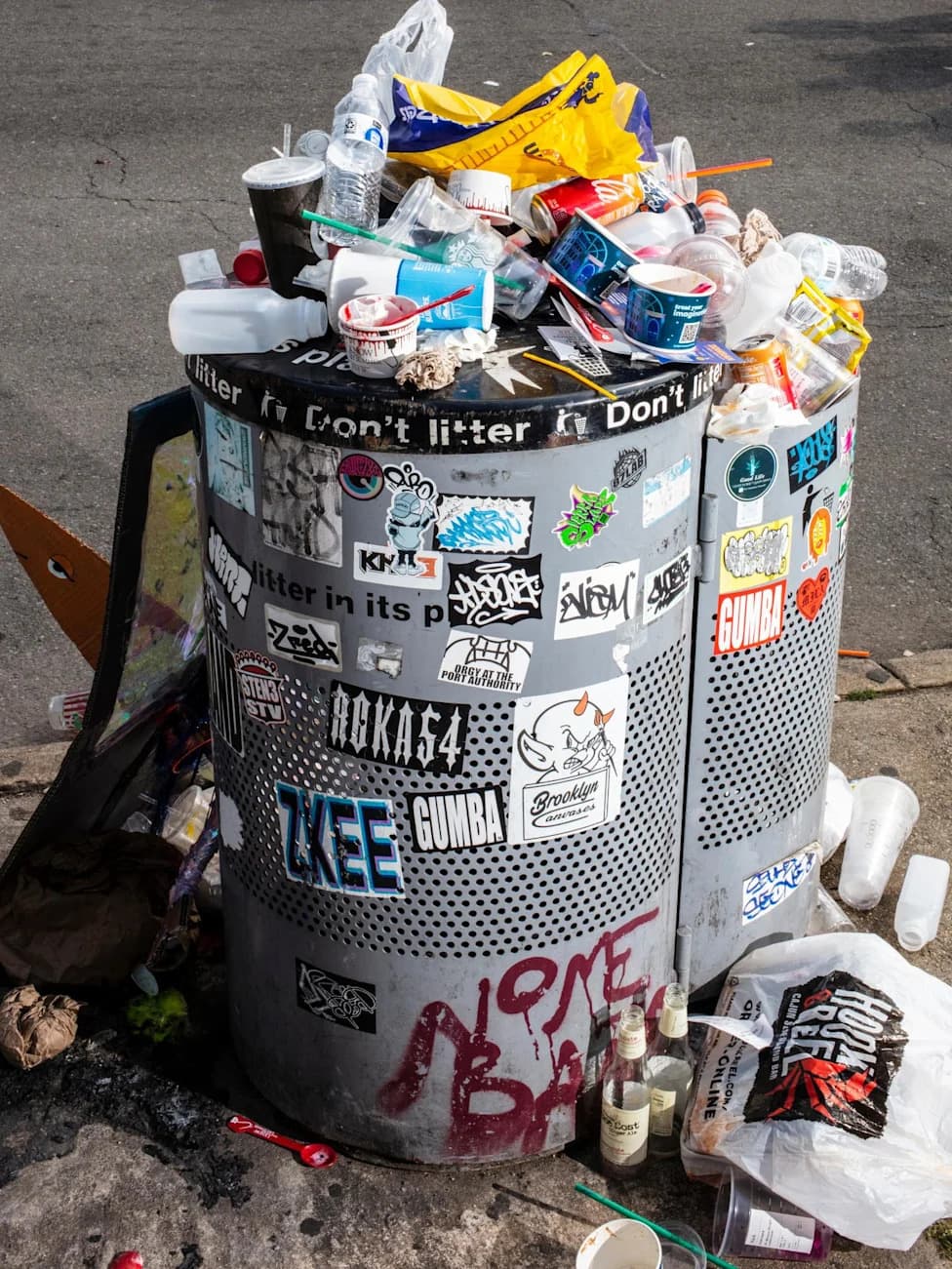
When you drop something in the recycling bin, do you know whether it will actually be reclaimed — or sent to a landfill? The average person in the United States produces nearly 5 pounds of trash each day, and only a fraction of that is effectively recycled.
How recycling rates really vary
Grayparrot, a U.K.-based waste analytics firm, uses artificial intelligence to monitor recycling streams at facilities around the world. The company analyzes more than 100 billion pieces of waste each year and finds that recycling rates can differ dramatically — even between similar products. That means labels or packaging that look "eco-friendly" do not guarantee materials will be recovered.
Why some items aren't recycled
Several common problems reduce the chance that an item will be reclaimed: contamination (food or liquid left in containers), mixed materials that are hard to separate (like multilayer packaging), items that are too small for sorting equipment, and a lack of market demand for certain materials. Local recycling rules also vary, so what’s recyclable in one community may not be in another.
Take the quiz
The short quiz below pairs everyday items used for similar purposes. Guess which item in each pair is more likely to be recycled according to Grayparrot’s findings and other reporting, then read the explanations to learn what makes some packaging more recyclable than others.
Note: This piece summarizes industry findings and is intended to help you make more informed recycling choices. Check your local recycling guidelines for the most accurate rules for your area.
Help us improve.