UNAIDS warns that global HIV assistance may decline by 30–40% in 2025 versus 2023, which could cause an estimated 3.3 million additional HIV infections between 2025 and 2030 if 2030 targets are missed. In 2024 there were about 570 new HIV infections per day among girls and young women aged 15–24, and over 60% of women-led organizations have suspended programs. The report highlights disruptions to services for key populations and links some effects to delayed or reduced funding, urging urgent reinvestment in prevention, community-led programs, innovation and human rights protections.
UNAIDS Warns Funding Cuts Could Lead to 3.3 Million More HIV Infections by 2030

A new UNAIDS report warns that global HIV prevention and treatment efforts have suffered one of their most significant setbacks in decades as funding dries up, jeopardizing hard-won progress against the epidemic.
The report, Overcoming Disruption, Transforming the AIDS Response, projects that global assistance for HIV could fall by 30–40% in 2025 compared with 2023. If that trajectory continues and countries do not meet the 2030 targets of the next Global AIDS Strategy, UNAIDS estimates these reductions could lead to an additional 3.3 million new HIV infections between 2025 and 2030.
“The funding crisis has exposed the fragility of the progress we fought so hard to achieve,”
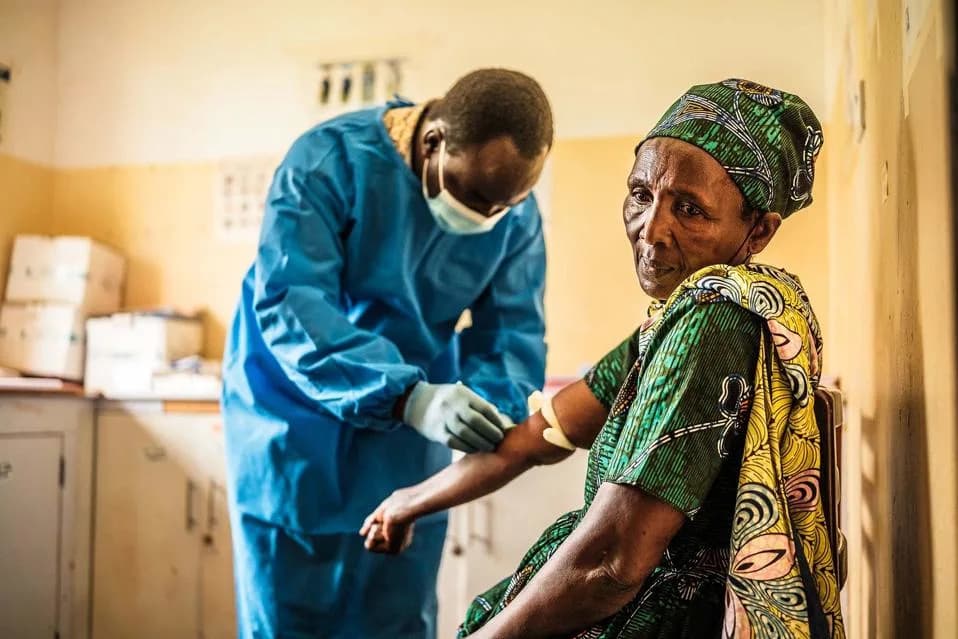
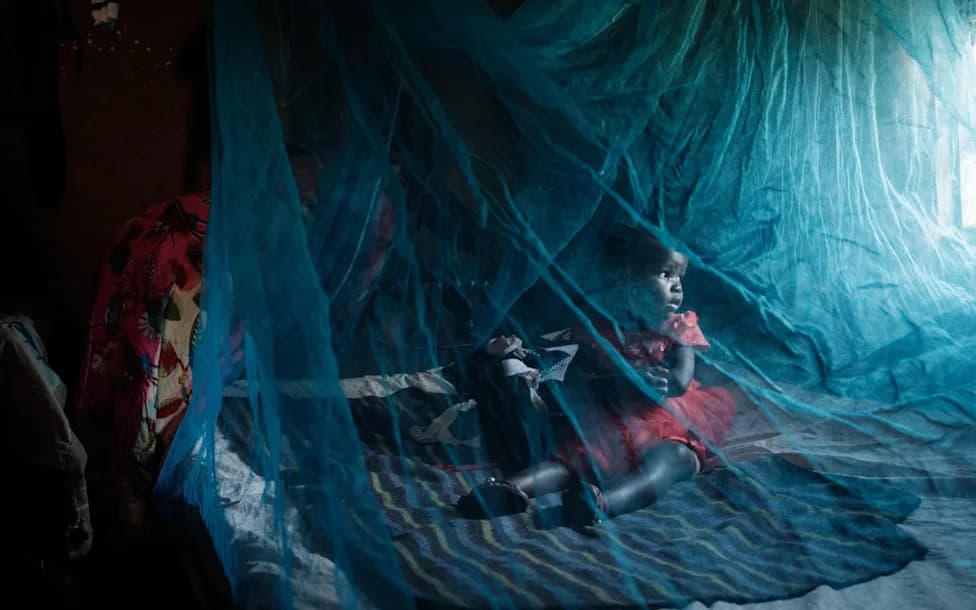
Winnie Byanyima, Executive Director of UNAIDS, emphasized that every statistic represents people — infants and children who miss screening or early diagnosis, young women losing access to prevention, and communities suddenly without services and care. “We cannot abandon them. We must overcome this disruption and transform the AIDS response,” she said.
Key figures in the report highlight that in 2024 there were roughly 570 new HIV infections each day among girls and young women aged 15–24. The strain on services is already apparent: more than 60% of women-led organizations worldwide have suspended programs. Services targeted at sex workers, people who inject drugs, and LGBTQ+ populations — particularly gay men and transgender people — have also been severely curtailed.
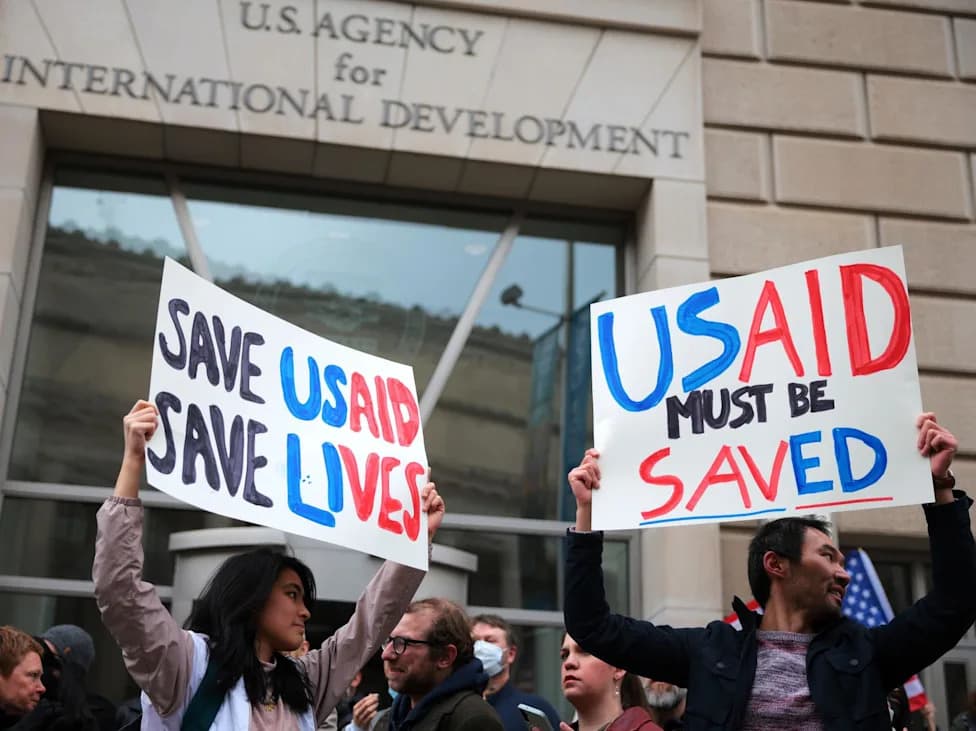
The report links part of the immediate disruption to shifts and delays in funding and policy in several donor countries, which have affected supply chains and access to medications. It notes that some protections for global HIV funding were only secured after late congressional action in certain cases, placing lifesaving prevention and treatment supplies at risk for many countries that rely on international support.
UNAIDS calls for urgent reinvestment in prevention, community-led programs, innovation and the protection of human rights. Byanyima said,
“We know what works — we have the science, tools and proven strategies. What we need now is political courage. Investing in communities, in prevention, in innovation and in protecting human rights is the path to end AIDS.”
The report frames the current moment as decisive: policymakers can allow recent shocks to undo decades of progress, or they can mobilize resources and political will to keep the goal of ending AIDS within reach. Immediate action to stabilize and increase funding, strengthen community services and protect vulnerable populations is essential to avoid a dramatic rise in new infections.
Help us improve.