German officials, led by Foreign Minister Johann Wadephul, say intelligence indicates Russia is creating the option to attack a NATO member by 2029. Senior military figures, including retired Gen. Philip Breedlove and Germany’s top commanders, warn the threat is real and tied to Moscow’s broader aims in Eastern Europe. Whether an attack becomes feasible depends on Russia’s ability to rebuild forces degraded in Ukraine. The alerts arrive alongside fragile diplomatic talks on a Russia–Ukraine framework and continued strikes on Ukrainian cities.
Germany Warns Intelligence Indicates Russia Could Keep Option to Strike NATO by 2029

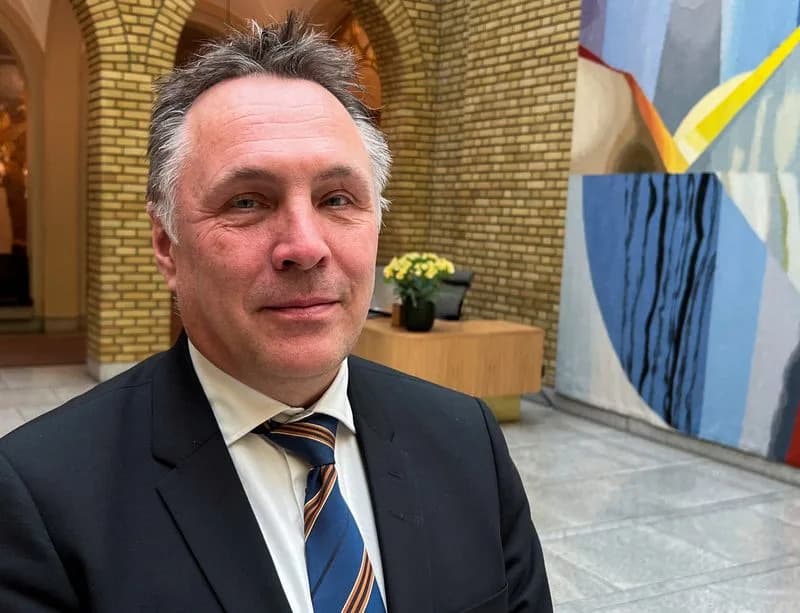
German Foreign Minister Johann Wadephul warned on Tuesday that recent intelligence assessments indicate Moscow is deliberately shaping the capability to attack a NATO member within the next few years. Wadephul described the threat as immediate and called on Germany’s allies to strengthen deterrence.
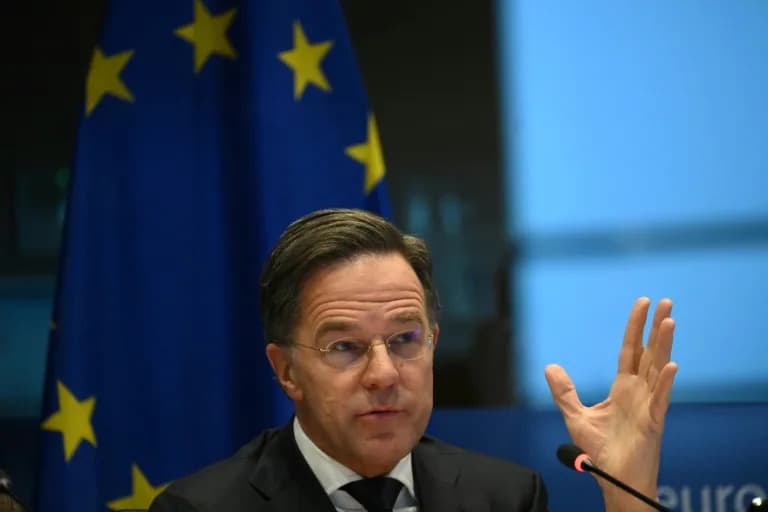
"Putin eyes the EU and NATO," Wadephul said on the foreign ministry's X account. "Our intelligence services are issuing urgent warnings: at the very least, Russia is creating the option for itself to wage war against NATO by 2029. We have to deter further Russian aggression, together with our partners and allies."
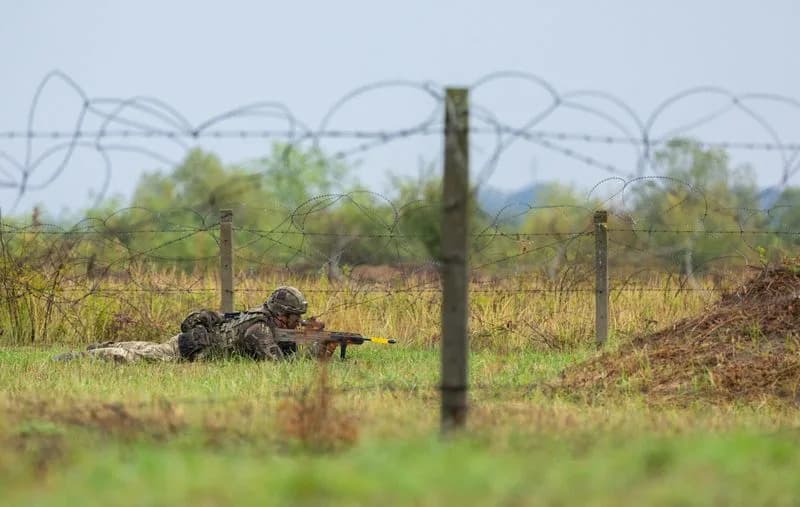
Senior German officials have repeated similar alarms this month. Defence Minister Boris Pistorius said a conflict between Russia and NATO "could begin in 2029," with some analysts suggesting it might become feasible as early as 2028. Lieutenant General Alexander Sollfrank, head of Germany’s joint operations command, warned Moscow could attempt operations on NATO territory "at any time," and that a larger campaign could become possible if rearmament continues.
Analysis from military leaders
Retired General Philip Breedlove, a former NATO Supreme Allied Commander Europe, echoed the seriousness of the German assessments. He said Russia’s geopolitical intentions reach beyond Ukraine and argued that Moscow has long signalled a desire to reshape Eastern Europe’s security architecture to create buffer states under Russian influence.
"I believe there is a lot of truth in what the foreign minister is saying. Russia's intent for Eastern Europe is very clear," Breedlove said, adding that previous Russian documents and demands foreshadowed later military action.
Breedlove stressed that whether Russia could attempt such a move within five years depends on Moscow’s ability to rebuild forces degraded by the war in Ukraine. He noted that Ukrainian forces have inflicted heavy damage on Russian units and raised concerns about personnel losses, morale and domestic political consequences for the Kremlin.
Context and diplomatic efforts
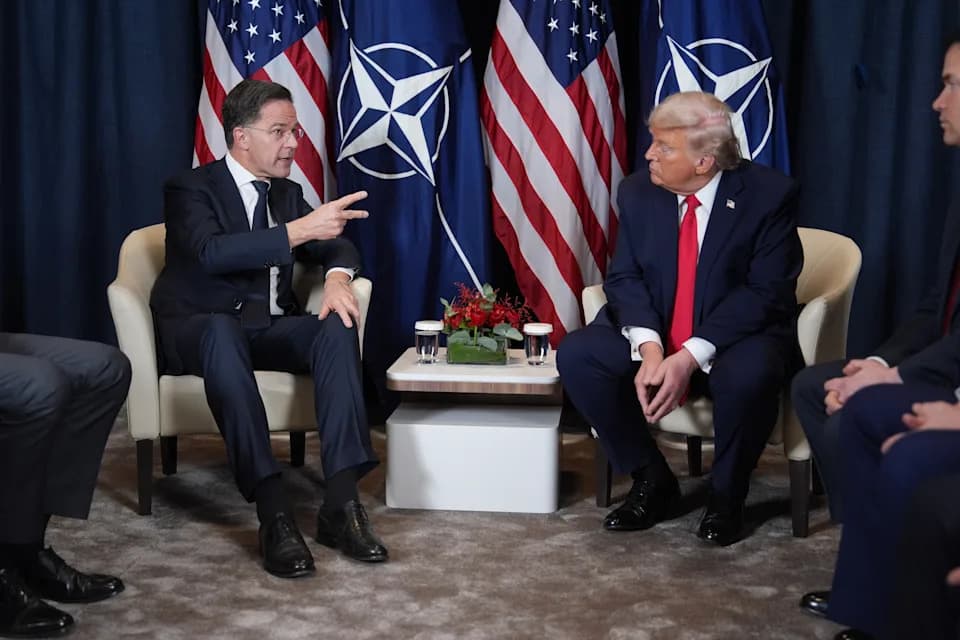
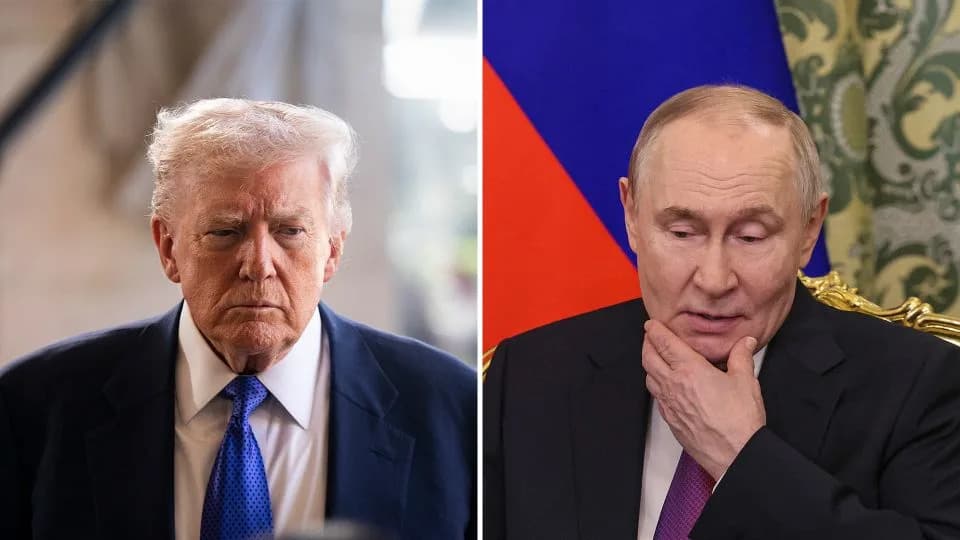
The warnings come amid ongoing diplomatic efforts to negotiate a Russia–Ukraine framework. U.S. officials have been involved in talks and President Donald Trump said he will not meet with either Vladimir Putin or Volodymyr Zelenskyy until an agreement is complete or nearly finalized. U.S. and other international negotiators report progress on a proposed framework, though Moscow is reviewing recent changes.
At the same time, fighting continues across Ukraine: a major overnight strike on Kyiv killed and injured civilians and damaged power infrastructure, underscoring the fragile security environment while diplomacy proceeds.
What this means
German leaders are urging NATO partners to intensify deterrence and readiness. Their assessments stress uncertainty — particularly about how quickly Moscow can recover its combat capability — but they make plain that Berlin now sees the risk of confrontation not as a distant possibility but as a strategic priority requiring allied coordination.
Help us improve.