PST warns Russian intelligence activity in Norway is likely to intensify in 2026, with a particular focus on the Arctic mainland and Svalbard and an increased risk of sabotage. The agency flagged threats to energy and logistics infrastructure, including the use of civilian vessels to map critical sites and cyberattacks on power facilities. PST also warned of attempts to recruit Ukrainian refugees in Norway—around 100,000 people—which it said presents a major security challenge.
Norway Warns Of Rising Russian Espionage In The Arctic, Flags Sabotage And Cyber Risks
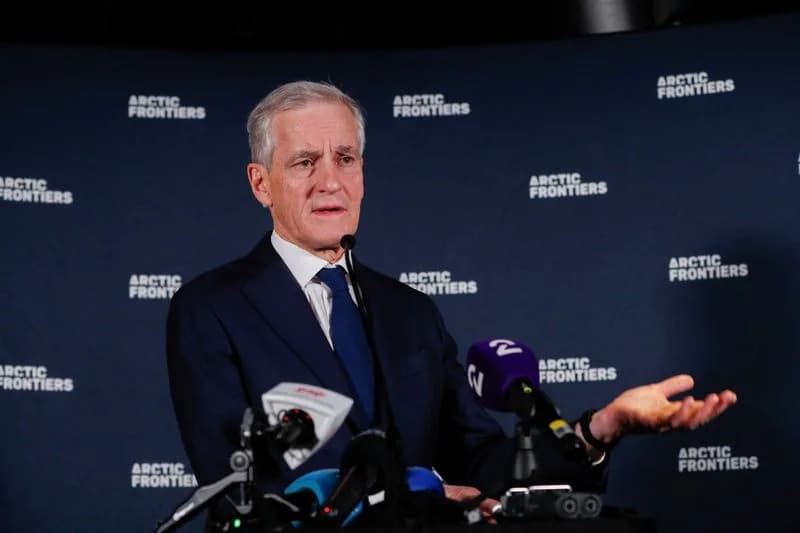
Prime Minister of Norway Jonas Gahr Store at the annual Arctic Frontiers conference in Tromso, Norway, February 4, 2026. NTB/via REUTERS
OSLO, Feb 6 – Norway's domestic security service, PST, warned on Friday that it expects Russian intelligence to step up spying inside Norway in 2026, with growing attention on the Norwegian Arctic mainland and the Svalbard archipelago and an elevated risk of sabotage.
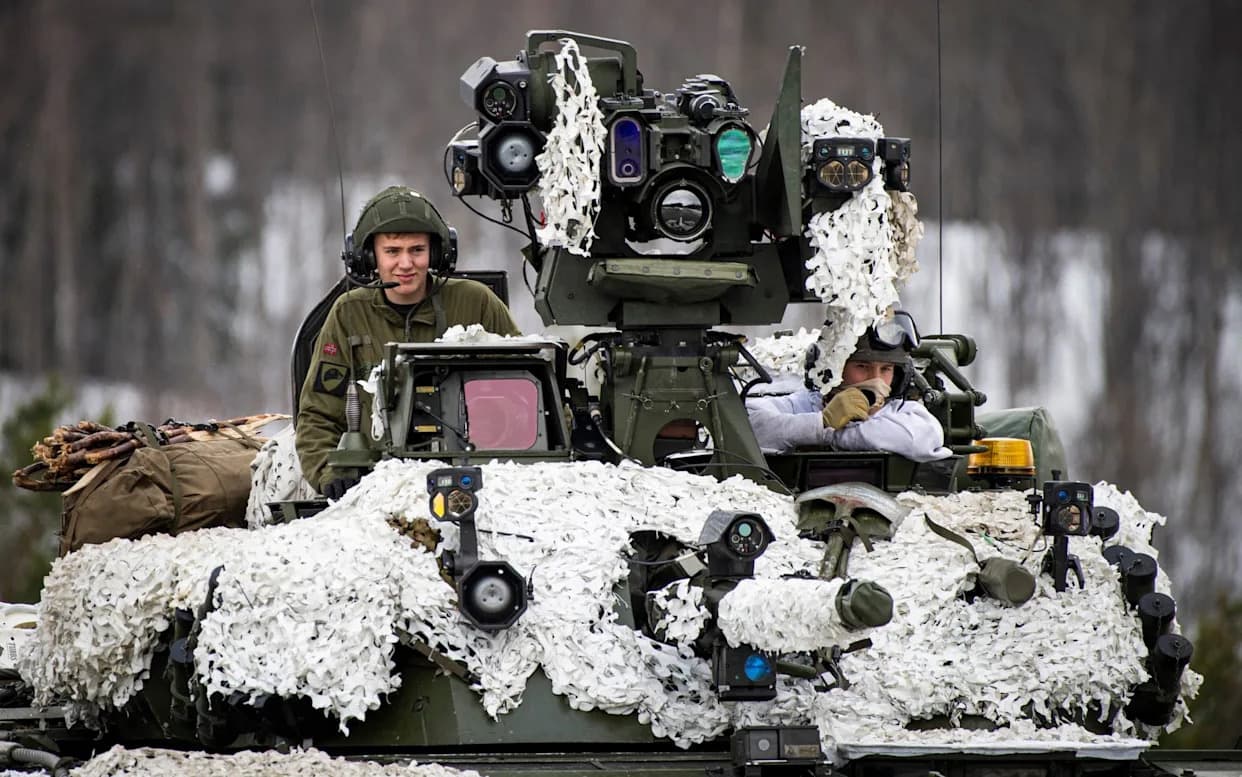
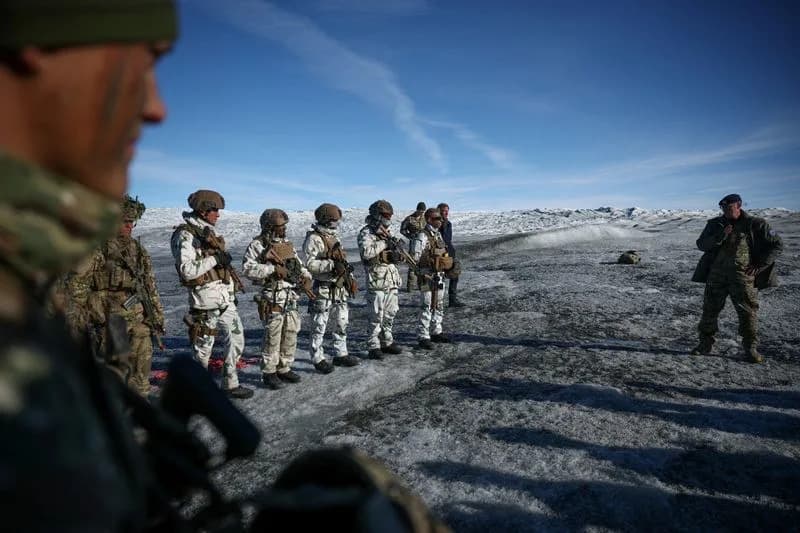
PST said Moscow's intelligence activity will continue to target military sites and allied exercises, Norway's support for Ukraine, and operations in the High North and Arctic region.
"We expect Russian intelligence services to increase their activity in Norway in 2026, with a continued focus on military targets and allied exercises, Norway's support for Ukraine, and operations in the High North and the Arctic region," PST said in its annual threat assessment report.
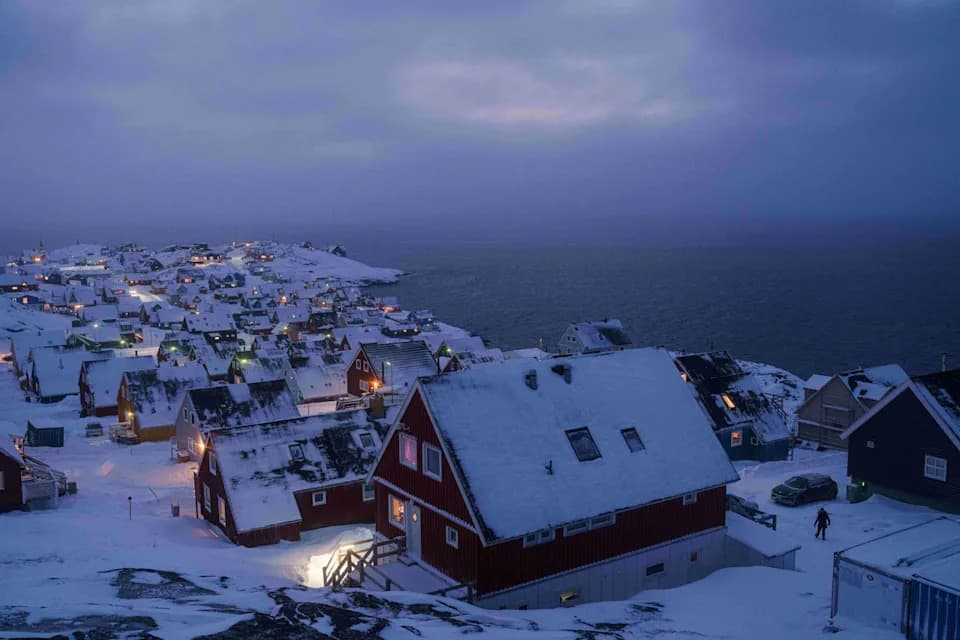
The agency singled out Norway's northernmost counties and Svalbard as areas of particular interest that are therefore especially exposed to intelligence and influence operations. PST warned Russia is likely to continue surveillance along Norway's rugged coastline and to map critical infrastructure using civilian vessels.
Arctic Activity And Strategic Context
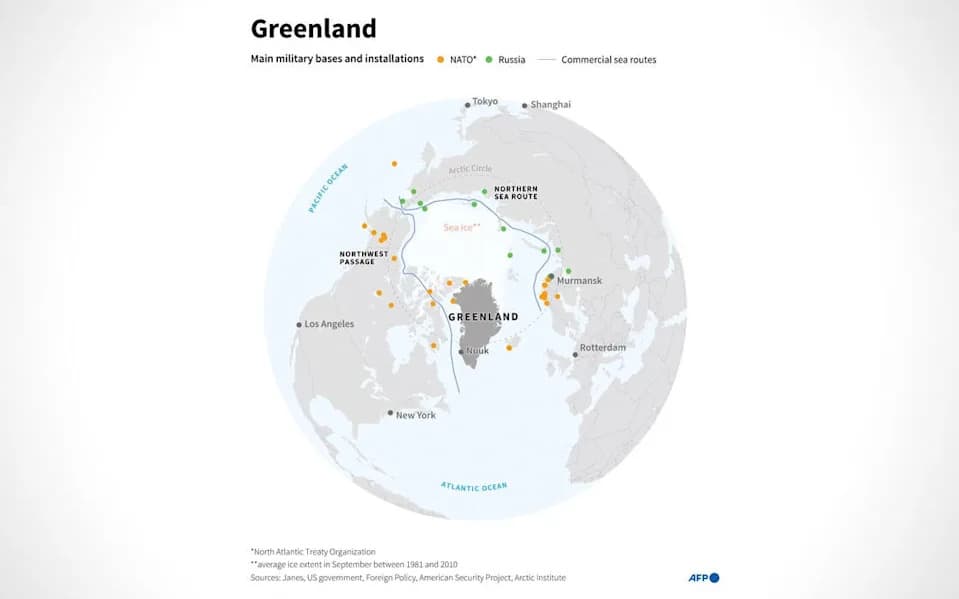
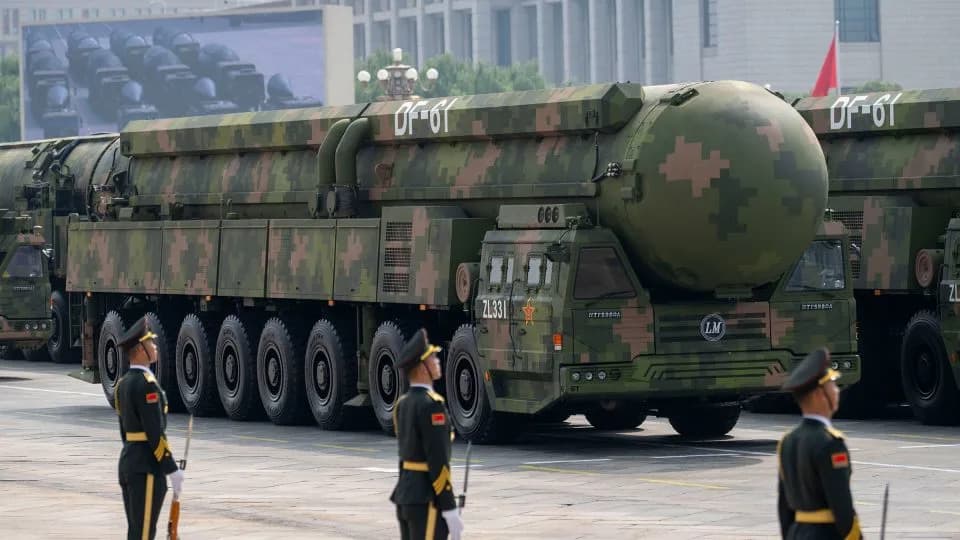
As a NATO member that shares an Arctic border with Russia, Norway closely monitors Russian military movements in the North Atlantic and on the Kola Peninsula, home to the Northern Fleet and roughly two-thirds of Russia's second-strike nuclear capability—the forces that would respond to a nuclear attack.
Last August, PST attributed a cyberattack that briefly seized control of operations at a hydropower dam to hackers linked to Russia, saying Moscow's threat had increased. The Russian Embassy in Oslo dismissed such accusations as "unfounded and politically motivated." PST reiterated its concerns on Friday.
"Russian intelligence may see benefit in carrying out sabotage operations on targets in Norway in 2026," PST warned.
PST identified the most likely sabotage targets as property and logistics infrastructure associated with support for Ukraine, though civilian infrastructure could also be affected. The agency stressed that attacks could be physical or conducted via cyber operations affecting energy and other critical systems.
PST further reported growing efforts by Russian services to recruit Ukrainian refugees in Norway to gather intelligence or carry out sabotage. Refugees with family or property in Russian-occupied areas of Ukraine are particularly vulnerable to coercion. With roughly 100,000 Ukrainian refugees in Norway, the agency called such recruitment attempts "a major challenge."
European countries have seen a wave of arson, sabotage and cyberattacks since Russia's full-scale invasion of Ukraine in February 2022, underscoring PST's warning and the broader regional security concerns.
Help us improve.