Key point: Decades of tariffs, quotas and domestic controls have kept U.S. sugar prices well above global levels, costing American shoppers an estimated $2.5 billion a year. That price gap encouraged food manufacturers in the 1980s to switch from cane sugar to high‑fructose corn syrup. Powerful agribusiness interests used political influence to shape policies that advantaged corn sweeteners and sheltered domestic sugar producers, producing both higher costs for consumers and a lasting change in America's food supply.
How Special Interests Shaped U.S. Sugar Policy — and Cost Consumers $2.5 Billion a Year

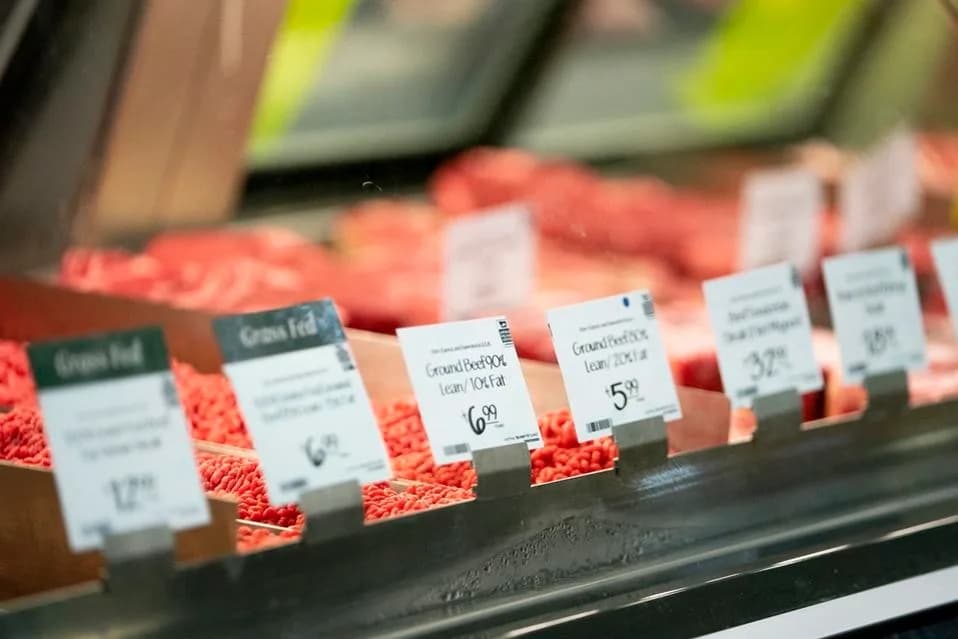
With inflation back on the public radar, many look for easy culprits for rising grocery bills — from retailers to whoever occupies the White House. The president cannot directly dial food prices up or down, but federal policy has a major influence on what consumers pay. A striking example is sugar. Decades of tariffs, quotas, and domestic controls have kept U.S. sugar prices far above world levels and add an estimated $2.5 billion or more to Americans' annual grocery bills.
How policy reshaped the market
The high price of sugar in the United States produced a clear market response: manufacturers replaced cane sugar in many foods and beverages with high‑fructose corn syrup (HFCS). That shift was not simply a commercial accident. Powerful agribusiness interests, most notably figures tied to the corn industry, pushed to limit sugar competition and create a more favorable environment for corn‑derived sweeteners.
Sugar and politics have been linked since the nation's founding. One of Congress’s first acts, in 1789, established a tariff on imported sugar, signaling how early fiscal policy and sweeteners were intertwined. A major turning point came in the 1890s: the Tariff Act of 1890 removed duties on sugar, briefly making imported sugar much cheaper and helping spur the early growth of products that shaped America's food culture. A reversal followed in 1894, when Congress restored higher duties on sugar, demonstrating how policy swings can reshape markets.
By the Great Depression, sugar had been designated a "basic commodity" under federal farm programs, giving Washington greater control over imports and domestic production. As the government increased its role, agricultural lobbyists found new incentives to influence policy outcomes.
The rise of HFCS and political influence
In the 1960s and 1970s, research and industrial processes made it commercially feasible to produce sweeteners from corn — HFCS. Early on, HFCS was not clearly cheaper than cane sugar. To improve its market position, advocates for corn‑based sweeteners turned to politics.
One influential corporate leader used political donations and relationships to press for policies that indirectly advantaged corn sweeteners by raising the price of imported sugar. At the same time, federal action did raise barriers to cheaper foreign sugar: in 1976, the import tax on sugar was increased significantly, and by the late 1980s domestic sugar often sold at roughly double the world price. In 1988, for example, U.S. sugar traded around 22 cents a pound while the global price was near 10.5 cents; each one‑cent difference in domestic sugar prices was estimated to add roughly $250–$300 million to Americans' collective food bills.
Faced with rising sugar costs in the mid‑1980s, candy and soft‑drink manufacturers shifted to HFCS to control expenses. Over time that substitution became standard across many processed foods and beverages in the United States, permanently changing the country’s sweetener mix.
"There isn't one grain of anything in the world that is sold in a free market... The only place you see a free market is in the speeches of politicians," said an industry leader reflecting on how politics shaped agricultural markets.
Winners and losers
The policy mix of tariffs, quotas, subsidies and regulatory controls has been costly for consumers while protecting domestic sugar producers from foreign competition. It also created a sustained advantage for the corn industry, which expanded sales of HFCS and related products. The result: higher costs at the grocery store and a long‑term shift in the ingredients that many Americans eat.
If policymakers and voters prioritize lower food prices, one obvious place to start is reexamining interventions that distort agricultural markets and create opportunities for special‑interest influence. Reducing those distortions would not be a silver bullet for inflation, but it could lower costs for everyday grocery items and limit the ability of concentrated interests to shape food policy for private gain.
Help us improve.