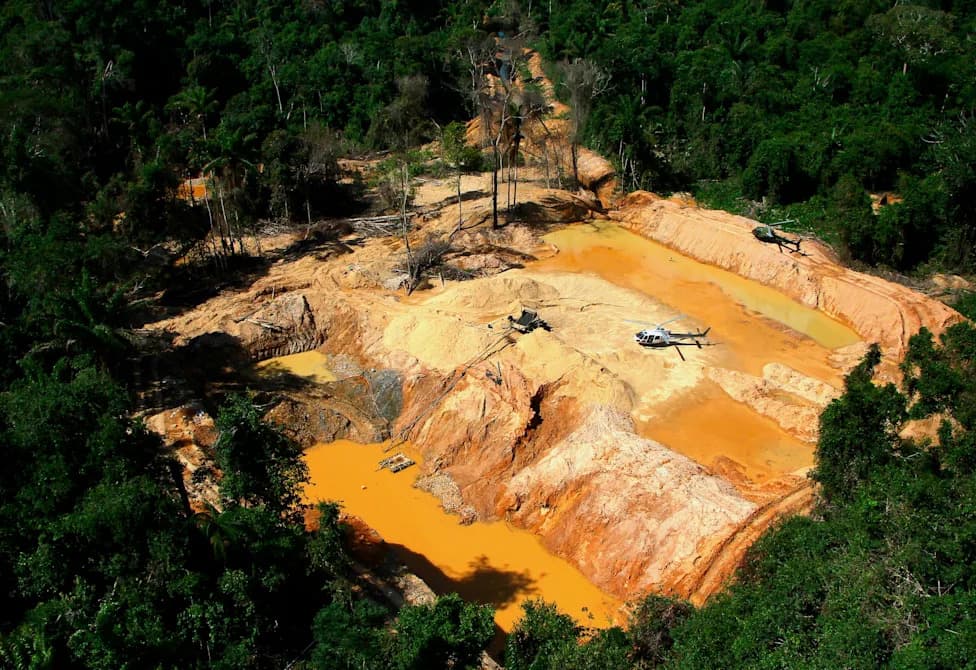
The Stimson Center used satellite imagery to map over 2,400 mining sites affecting 43 rivers across mainland Southeast Asia, with nearly 80% of unregulated activity located in Myanmar. These operations use techniques that can release cyanide, mercury, arsenic and other heavy metals into the Mekong basin, threatening roughly 70 million people who rely on the river for food, water and agriculture. Researchers call for urgent testing, stronger regulation and coordinated regional action to prevent long-term ecological and human-health damage.
Rare-earth Mining Is Contaminating the Mekong: Satellite Study Identifies 2,400+ Risky Sites Threatening 70 Million People

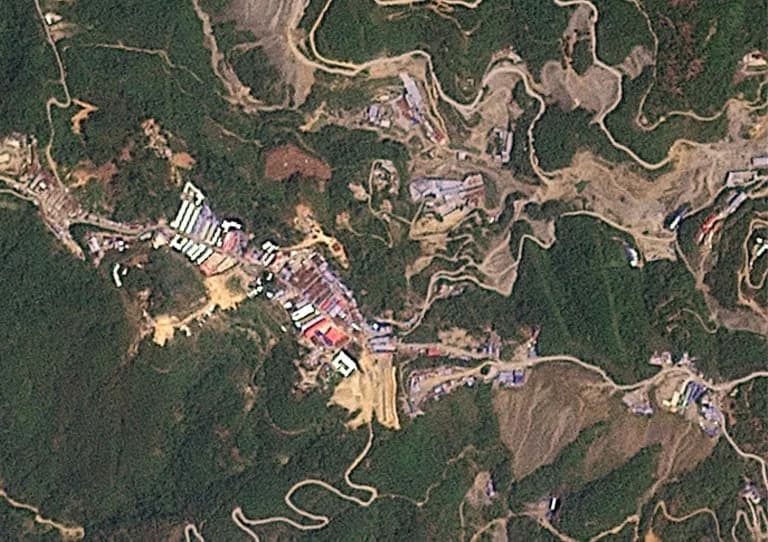
A new satellite-based analysis by the Stimson Center reveals widespread unregulated mining across mainland Southeast Asia that may be releasing toxic chemicals and heavy metals into the Mekong river system, endangering ecosystems and the livelihoods of millions.
Key findings: researchers mapped more than 2,400 mining sites with suspected activity on or beside 43 rivers, concentrated primarily in Myanmar, which accounts for nearly 80% of the unregulated operations identified. Many of these sites use extraction techniques that rely on hazardous chemicals and generate toxic runoff.
The mapped operations include alluvial mining (commonly for gold, silver and tin), in-situ leaching (used for some rare earth recovery) and heap-leach processes (used for gold, copper, nickel and manganese). All of these methods frequently involve chemicals such as sodium cyanide and mercury; when containment fails, these substances, along with arsenic and other heavy metals, can leach into rivers, floodplains and food chains.
Human and ecological impacts: Cyanide exposure can cause seizures, coma and cardiac arrest. Mercury bioaccumulates in aquatic food webs and can contaminate rice, fish and other staples. Arsenic and other heavy metals persist in soils and sediments, posing long-term risks to wildlife and people who rely on river water for drinking, irrigation and fishing.
Communities along the Kok River at the Thailand–Myanmar border have reported elevated arsenic and other contaminants in local testing, and residents say they no longer feel safe eating fish from the river. Many affected households are subsistence farmers whose livelihoods and food security depend directly on the river.
Researchers warn that unchecked pollution could trigger localized ecosystem collapse in parts of the Mekong basin, with the most severe exposure among communities living downstream of mining operations.
Geopolitical and supply-chain context: Rare earth elements — a group of 17 metallic elements essential for technologies such as electric vehicle batteries, wind turbines, smartphones and medical equipment — are the focus of global competition. The elements are not especially rare in the earth but are technically difficult and environmentally costly to extract.
Once extracted, many minerals from Myanmar are exported to China for processing; China currently dominates refined rare-earth output globally. Stimson researchers also note that Chinese managers and technical operators are often present at mines in Myanmar and Laos because of their processing expertise.
Unregulated mining has proliferated where weak governance, corruption and conflict intersect. The 2021 military coup in Myanmar, rising commodity prices and surging global demand have accelerated extraction in regions of Kachin and Shan states controlled by multiple armed groups, further complicating oversight and environmental protection.
Recommendations: the report’s authors and local rights groups call for urgent, systematic water and soil testing across rivers and floodplains; transparent monitoring of mining operations; stronger environmental and labor safeguards; and coordinated regional efforts to stop the export of untreated waste and to hold operators accountable.
“The Mekong could serve as a case of how not to go about rare earth mining, as it will cause so much damage,” said Brian Eyler, director of Stimson’s Southeast Asia and Energy, Water, and Sustainability programs. Regan Kwan, the Stimson researcher who led the satellite-mapping work, added: “Communities downstream are facing immediate risks to health and livelihoods.”
Pai Deetes, executive director of the River and Rights Foundation, warned that without stronger safeguards the region may become a persistent “sacrifice zone” for global demand in critical minerals. Researchers urge international partners, governments and industry to act quickly to assess contamination levels and protect downstream communities and food supplies.
Help us improve.