The co‑founder of Palestine Action has taken the UK government to the High Court to challenge the group's proscription under the Terrorism Act 2000. International rights bodies, including the UN human rights chief and the Council of Europe, have criticised the ban as disproportionate and an excessive restriction on protest. The proscription followed a July break‑in at an RAF base, which prosecutors say caused about £7 million of damage; organisers report around 2,300 arrests and 254 people charged with a lesser offence. The case will probe the balance between national security and civil liberties.
High Court Challenge: Palestine Action Co‑Founder Fights UK Anti‑Terror Proscription

The co‑founder of Palestine Action has launched a legal challenge at the High Court in London against the UK government's decision to proscribe the group under the Terrorism Act 2000. The move has prompted criticism from international rights bodies and renewed debate about the balance between national security and the right to protest.
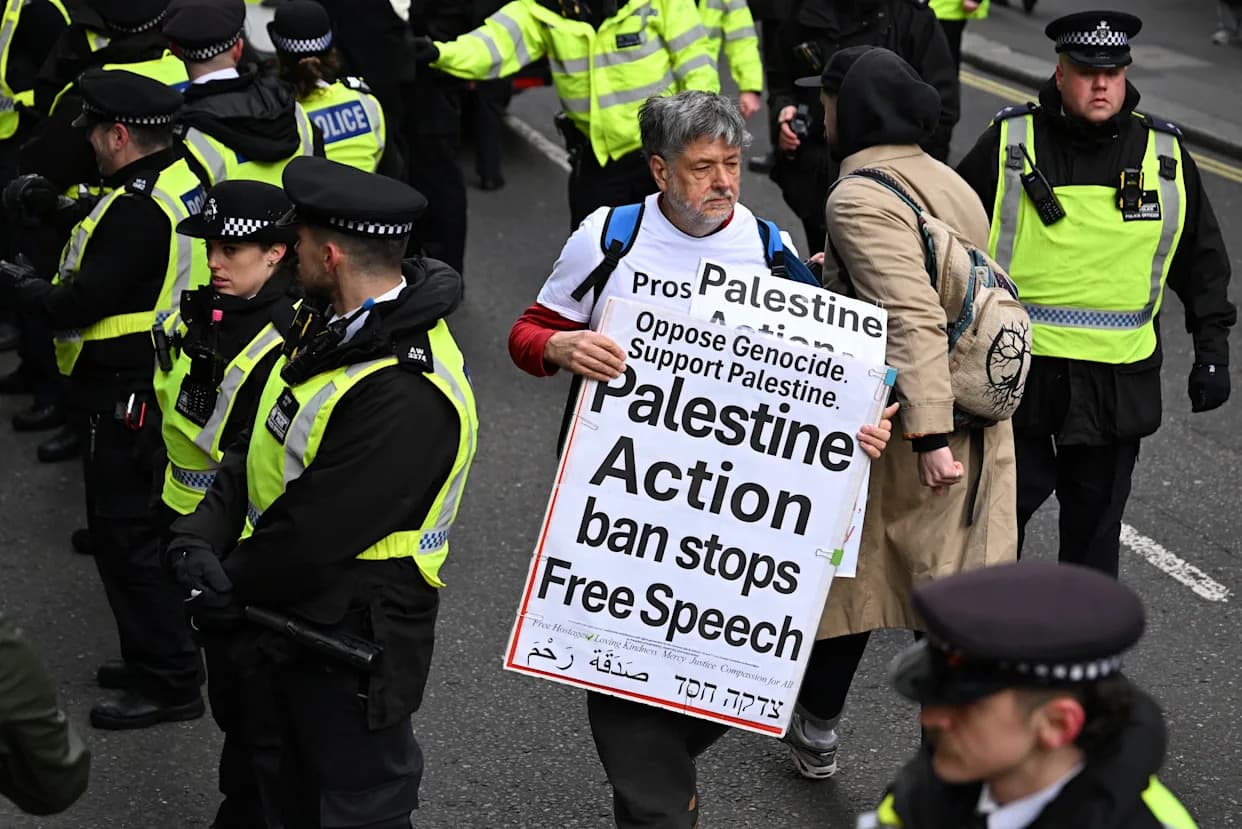
United Nations human rights chief Volker Türk said the ban "appears disproportionate and unnecessary," while the Council of Europe warned of "excessive limits" on the right to protest. The Home Office placed Palestine Action on the proscribed list in July, days after activists entered an RAF base in southern England.
Allegations, arrests and charges
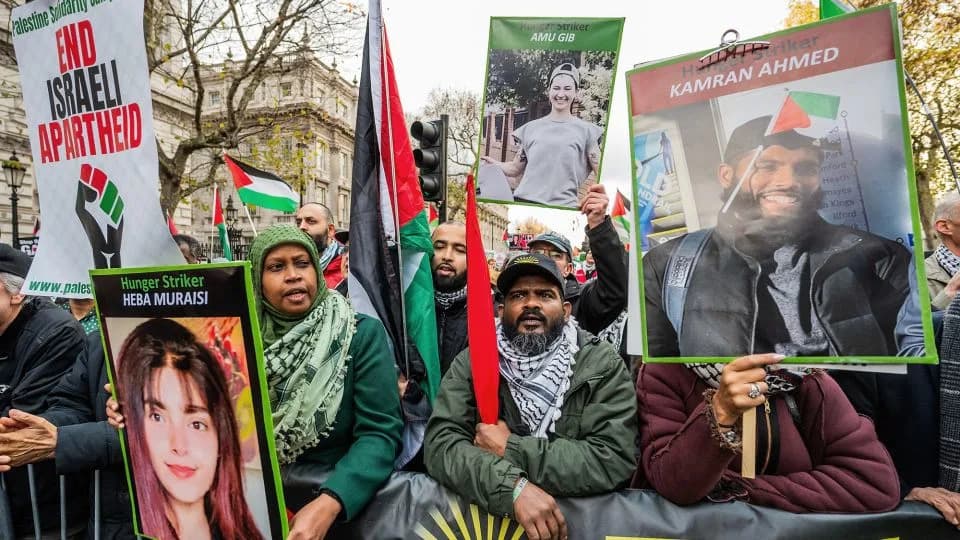
Prosecutors say activists caused an estimated £7 million in damage to two aircraft at the base. Organisers of the protests say around 2,300 people have been arrested since the proscription, including students, teachers, pensioners and an 83‑year‑old retired vicar. The Metropolitan Police say 254 people have been charged with a lesser offence that carries a potential sentence of up to six months.
Being proscribed under the Terrorism Act places Palestine Action on the same statutory list as groups such as Al‑Qaeda and Hezbollah, a designation that makes membership or inviting support a criminal offence punishable by up to 14 years in prison.
Government position and allegations of violence
The Home Office has accused Palestine Action of running an "escalating campaign" of "sustained criminal damage," including attacks on sites the government describes as part of Britain's national security infrastructure. Ministers also point to allegations of "intimidation, alleged violence and serious injuries."
At a recent hearing, prosecutors alleged that a Palestine Action activist struck a police officer with a sledgehammer after breaking into a site in western Bristol.
Foreign Secretary Yvette Cooper defended the proscription, saying that reporting restrictions during ongoing prosecutions mean some details have not been widely reported, and that the government acted on "clear security assessments and advice." She added: "This is not a non‑violent organisation," a justification cited in her defence of the ban.
Group background and response
Founded in 2020, Palestine Action's (now‑blocked) website states its aim as ending "global participation in Israel's genocidal and apartheid regime." The group has focused much of its activity on factories linked to the Israeli defence contractor Elbit.
Supporters and civil liberties organisations have sharply criticised the proscription. Film director Ken Loach called the ban "absurd," while campaigners warned it represents a dangerous curb on protest. A spokesperson for the campaign group Defend Our Juries said: "This level of political repression is not what we expect in a democracy." Areeba Hamid, co‑executive director of Greenpeace UK, said using the Terrorism Act against direct‑action campaigners breaks past assurances about how the law would be applied and warned that classifying a protest group as a "terrorist organisation" should "send a chill down your spine."
What’s at stake
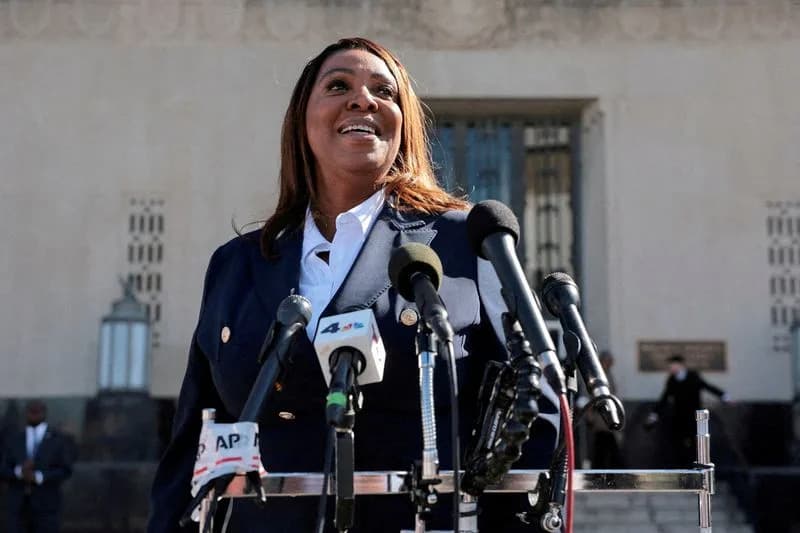
The High Court hearing, brought by co‑founder Huda Ammori, is scheduled to run over two days this week with a third to be set if necessary. The case will test the legal threshold for proscription and could have wider implications for how the UK balances security concerns with civil liberties and the right to protest.
Key points: the proscription followed a break‑in that prosecutors say caused significant damage; international rights bodies have criticised the ban; thousands of arrests have been reported; and the legal challenge will examine whether the government’s move was lawful and proportionate.
Help us improve.