The International Space Station crew will enjoy a festive Thanksgiving menu that includes clams, oysters, crab meat, quail and smoked salmon, along with traditional sides. Many of the items were delivered Sept. 14 aboard the NG-23 Cygnus XL, which carried over 11,000 pounds of cargo. NASA astronaut Chris Williams is scheduled to launch to the ISS on Soyuz MS-28 at 4:27 a.m. EST on Thanksgiving and should dock around 7:38 a.m. Officials say familiar flavors offer important psychological comfort for crewmembers on long missions, and food-safety practices continue to shape how meals are prepared and consumed in microgravity.
Thanksgiving on the ISS: Clams, Crab, Quail — and a New Crew Member Arrives

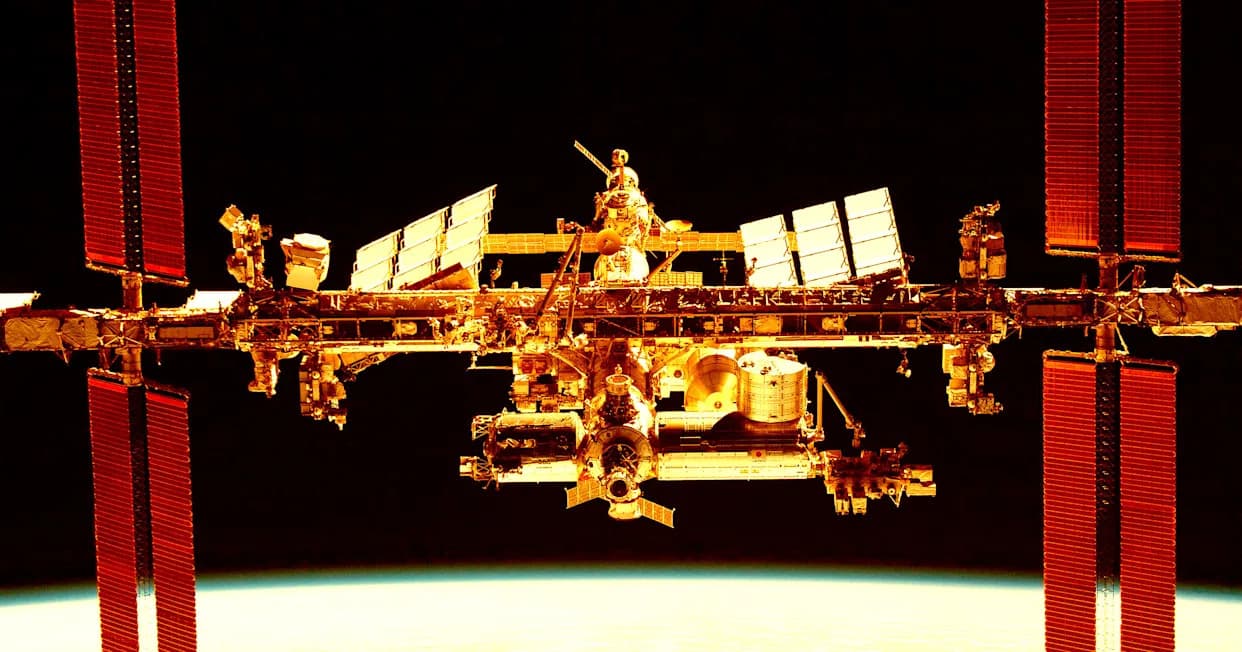
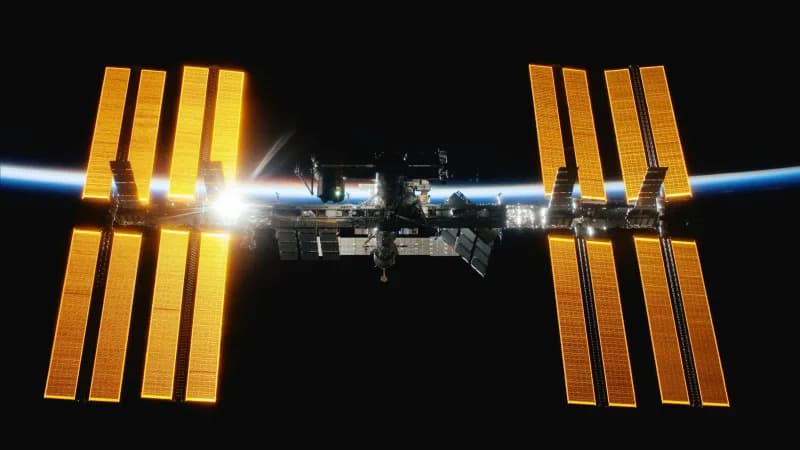
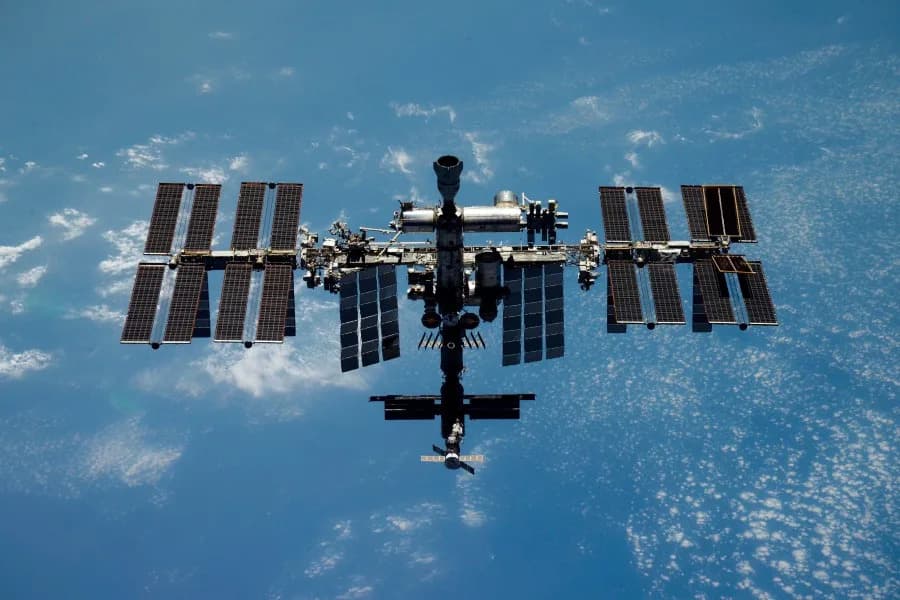
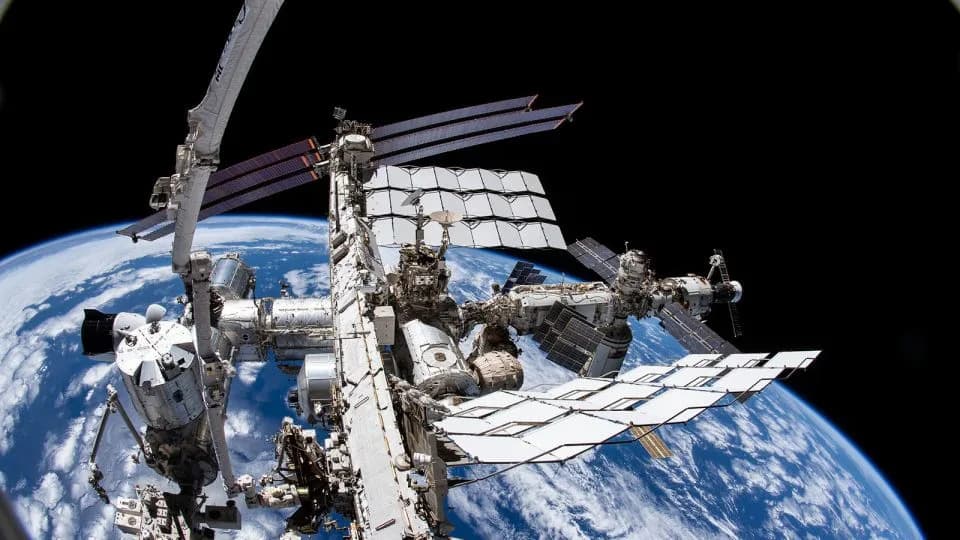
Astronauts orbiting roughly 250 miles above Earth will celebrate Thanksgiving aboard the International Space Station (ISS) with a menu that reaches far beyond the bland, shelf-stable meals of earlier eras. This year’s holiday spread includes clams, oysters, crab meat, quail and smoked salmon, paired with traditional sides and shelf-stable treats flown to the station earlier this fall.
Comfort food in space
Mark Marquette, director of the U.S. Space Walk of Fame Foundation, said familiar flavors offer more than calories: they provide emotional comfort and a connection to home for crew members who spend months in isolation. "Good old comfort food. This is what I think Thanksgiving represents in space," Marquette said, noting that dishes that evoke family meals help restore a sense of normalcy.
New crewmate arriving on Thanksgiving
Thanksgiving morning will also bring a new arrival to the station. NASA astronaut Chris Williams is scheduled to launch aboard Roscosmos' Soyuz MS-28 from the Baikonur Cosmodrome at 4:27 a.m. EST and is expected to dock after two orbits, around 7:38 a.m., with a hatch opening planned for about 10:10 a.m. He will join Expedition 73 alongside Russian cosmonauts Sergey Kud-Sverchkov and Sergey Mikaev for an eight-month science mission.
How the food got to orbit
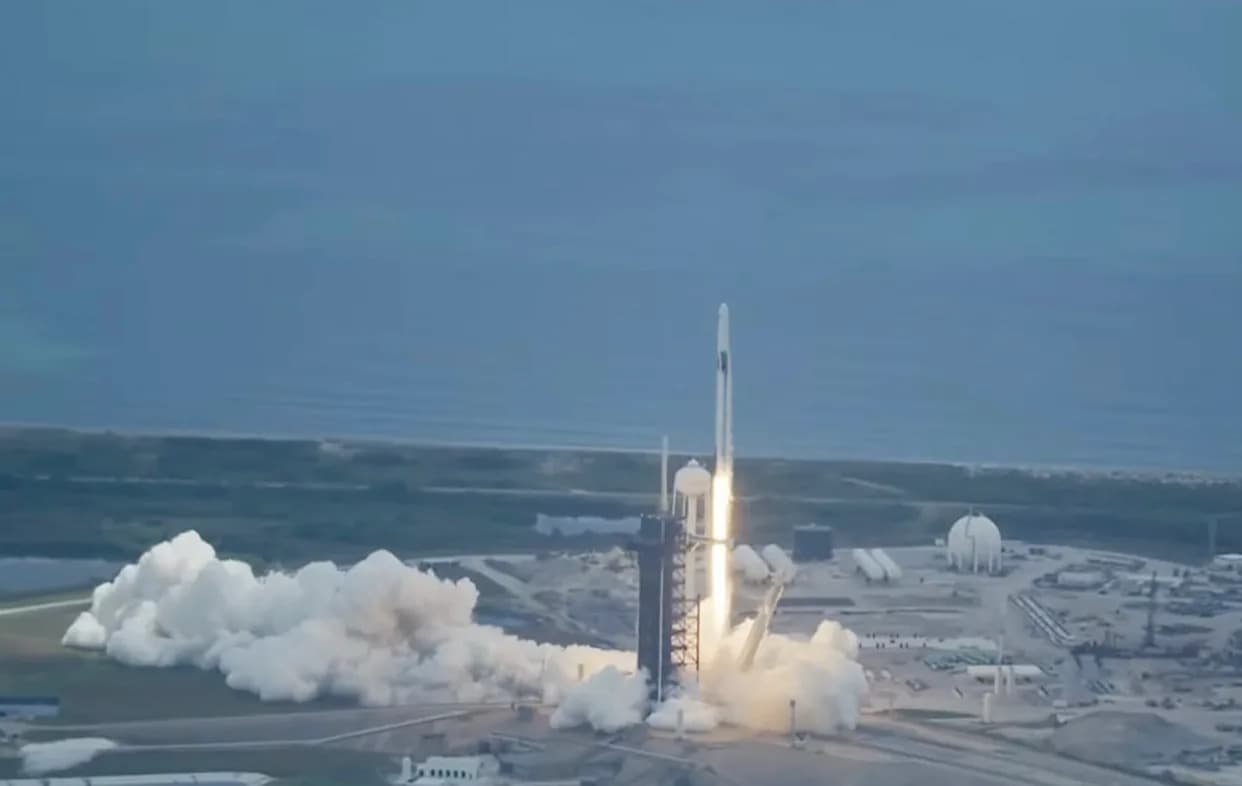
Many of the Thanksgiving items were delivered on Sept. 14 by the NG-23 mission, when a SpaceX Falcon 9 launched a Northrop Grumman Cygnus XL cargo craft from Cape Canaveral. The Cygnus carried more than 11,000 pounds of supplies, including a special Holiday Bulk Overwrapped Bag (BOB) packed with festive foods — clams, oysters, crab meat, quail and smoked salmon — plus shelf-stable treats such as candies, icing, almond butter and hummus, NASA public affairs officer Steve Siceloff said via email.
Who’s celebrating up there
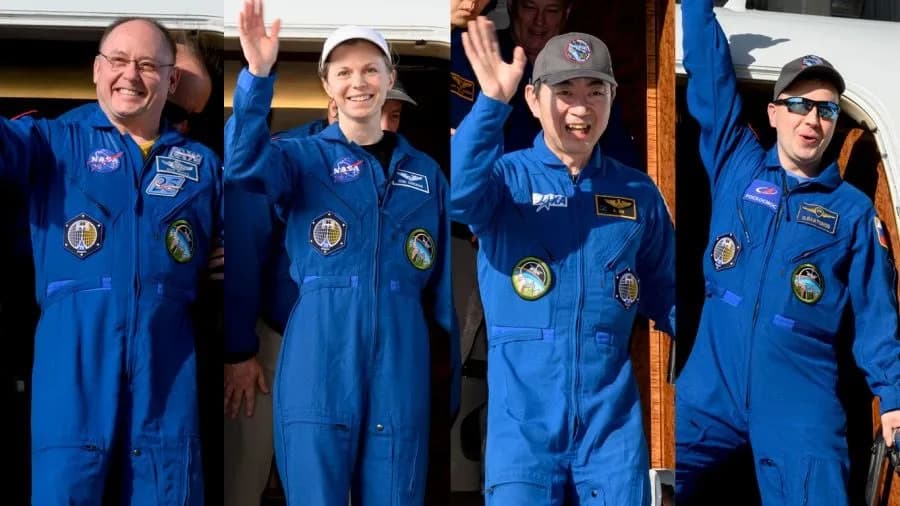
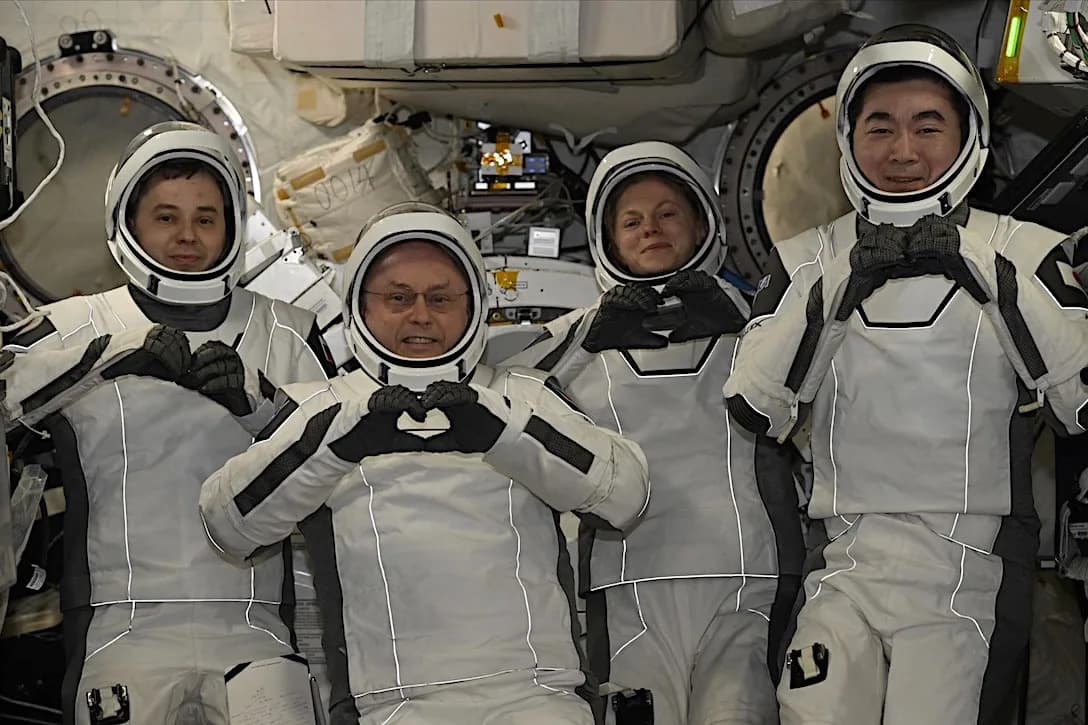
The crew celebrating Thanksgiving includes members of NASA's Crew-11 — Zena Cardman and Mike Fincke — along with Japan Aerospace Exploration Agency astronaut Kimiya Yui and Roscosmos cosmonaut Oleg Platonov. They launched on Aug. 1 on a SpaceX Falcon 9 and Dragon capsule; also aboard the station are NASA astronaut Jonny Kim and two other Russian cosmonauts as part of Expedition 73.
In a Thanksgiving video message, crew member Zena Cardman floated a transparent holiday food bag near her head and highlighted menu items such as turkey, mashed potatoes, crab meat, salmon and lobster. "It's going to be a really, really delicious meal," she said, adding that she was excited to share it with the crewmates arriving that day.
Food history and safety in orbit
Thanksgiving meals in space have evolved since Skylab 4's celebration on Nov. 22, 1973, when Jerry Carr, Ed Gibson and Bill Pogue marked the holiday after a lengthy spacewalk. Hugh Harris, a longtime NASA public affairs officer known as "the voice of NASA," recalled that the early Thanksgiving menus were simple — turkey, potatoes and occasional peas — with items like shrimp and cranberry sauce appearing later.
Practical concerns shape how food is eaten in microgravity: floating crumbs can damage equipment and liquids pose hazards, so crew use specially designed packaging and drink from accordion-style plastic pouches that collapse as contents are consumed. Food preservation and safety standards developed during Project Gemini evolved into NASA's Hazard Analysis and Critical Control Point (HACCP) program, practices later adopted broadly by the food industry to ensure long shelf life and safety from producer to consumer.
Personal touches
Marquette said that on long missions he would welcome small, homemade treats to feel more at home: "I would want my mom’s peanut brittle and million-dollar fudge there for me in my pack. That would make me feel right at home," he said.
This Thanksgiving aboard the ISS blends practical mission logistics with small comforts: thoughtfully selected foods, careful packaging and a meal that reminds crewmembers of Earth while they continue scientific work in orbit.
Help us improve.