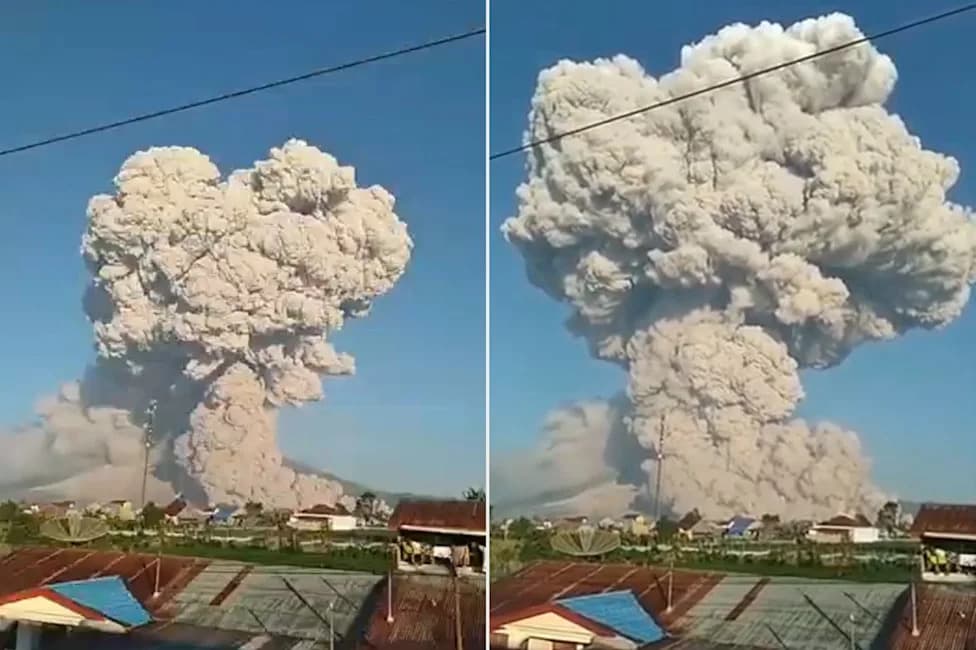
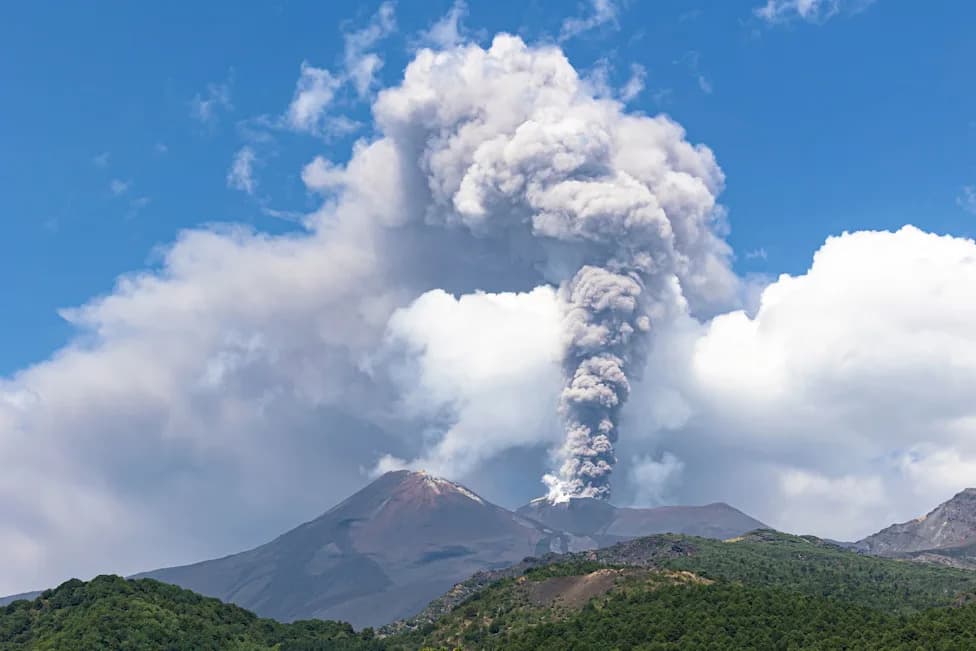
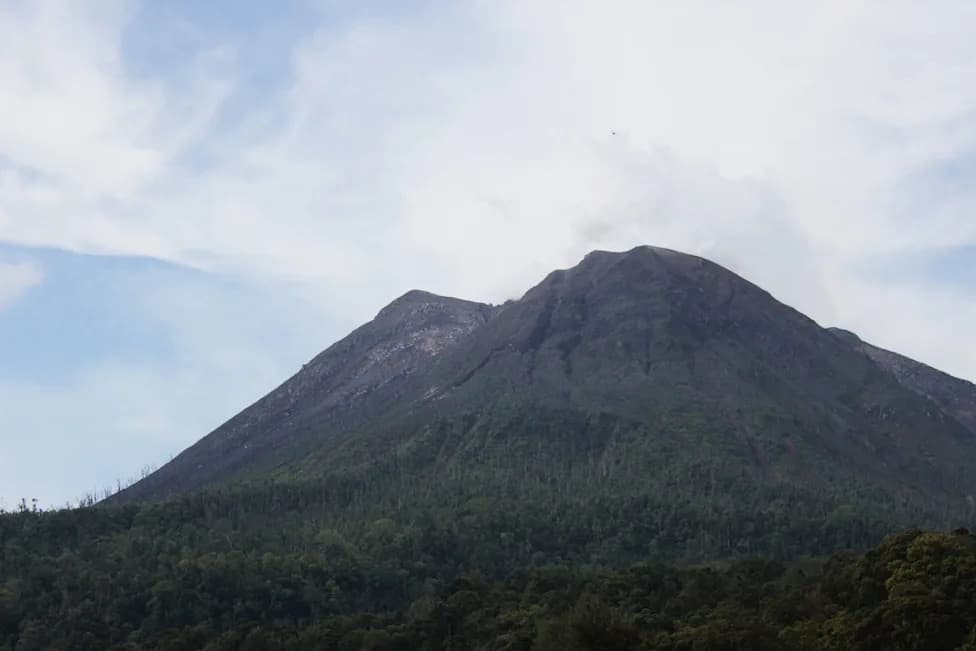
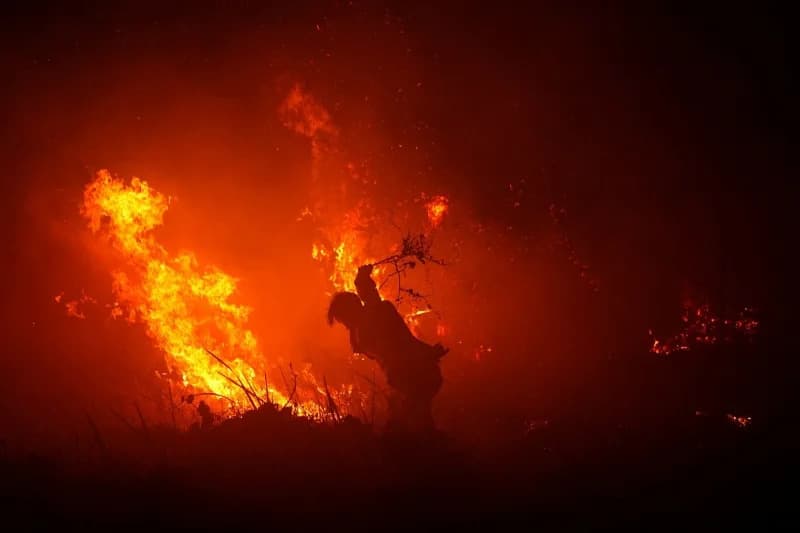
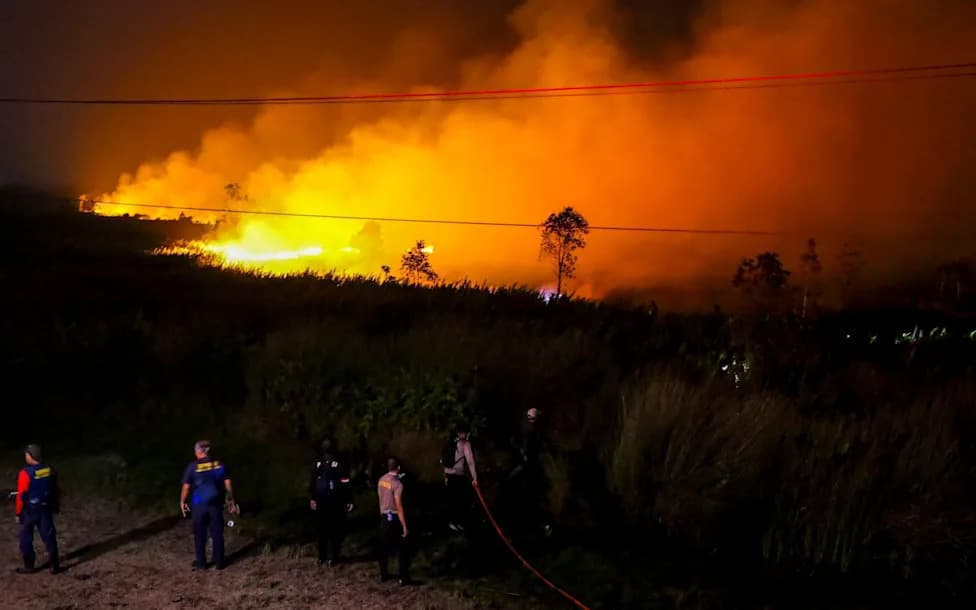
The Hayli Gubbi volcano in northern Ethiopia quieted after a weekend eruption that coated villages in ash and disrupted flights across the region. Health and livestock officials reported coughing among residents and contaminated water and grazing, prompting deployment of mobile medical teams to kebeles including Fia and Nemma-Gubi. Airlines including Air India and Akasa Air canceled multiple international flights, and meteorologists said the ash cloud—carried across the Red Sea and Arabian Sea—was expected to clear Indian skies by 1400 GMT.
Hayli Gubbi Eruption Subsides as Ash Buries Ethiopian Villages and Disrupts Flights

Volcanic activity at Hayli Gubbi in northern Ethiopia eased on Tuesday after a weekend eruption that blanketed communities in the Afdera district with volcanic ash and disrupted international air routes.
Local officials reported heavy ashfall across several villages. Residents experienced coughing and other respiratory symptoms, while livestock and grazing areas were heavily contaminated, leaving many animals without access to clean water or pasture. Mobile medical teams were dispatched to remote kebeles, including Fia and Nemma-Gubi, to provide on-site care.
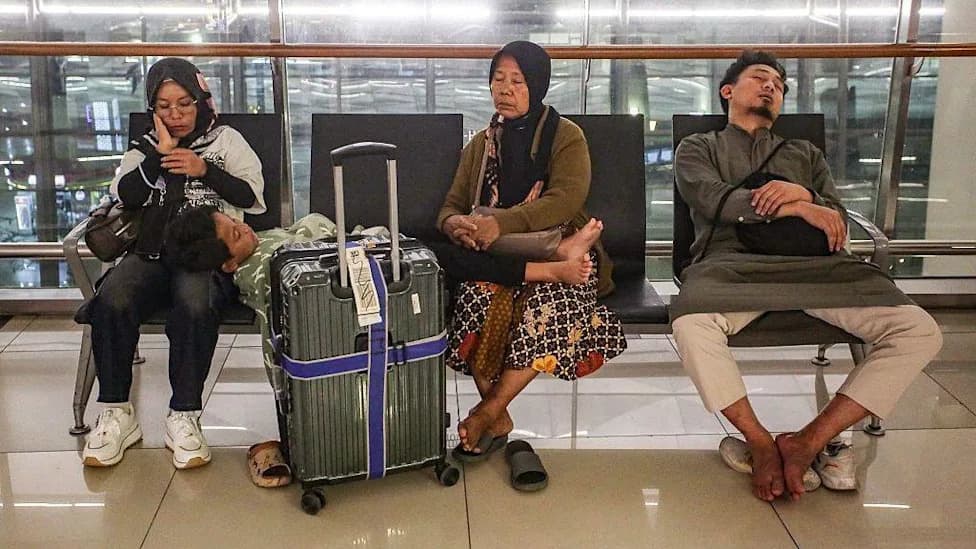
Airlines suspended dozens of flights whose planned routes crossed the ash-affected airspace. Air India canceled 11 flights to allow inspections of aircraft that may have flown through contaminated airspace following guidance from India’s aviation regulator. Akasa Air also canceled services to destinations including Jeddah, Kuwait and Abu Dhabi. Indira Gandhi International Airport in New Delhi reported at least seven international cancellations and about a dozen delays.
The India Meteorological Department said high-altitude winds carried the ash from Ethiopia across the Red Sea, over Yemen and Oman, across the Arabian Sea and into western and northern India before drifting toward China. The weather service forecast that the ash should clear Indian skies by 1400 GMT on Tuesday, subject to changing wind patterns.
'Two medical teams have been dispatched to the affected kebeles like Fia and Nemma-Gubi to provide mobile medical services,' said Abedella Mussa, the Afdera district health officer.
'Many animals, especially in the two affected kebeles, cannot drink clean water or feed on grass because it is covered by volcanic ash,' said Nuur Mussa, the district livestock official.
Atalay Ayele, a geologist at Addis Ababa University, said the eruption reflects Ethiopia's location along an active rift system where volcanism and earthquakes are relatively common. He noted that this is the first recorded eruption of Hayli Gubbi in roughly 10,000 years and said the activity is expected to be short-lived before a quieter phase resumes.
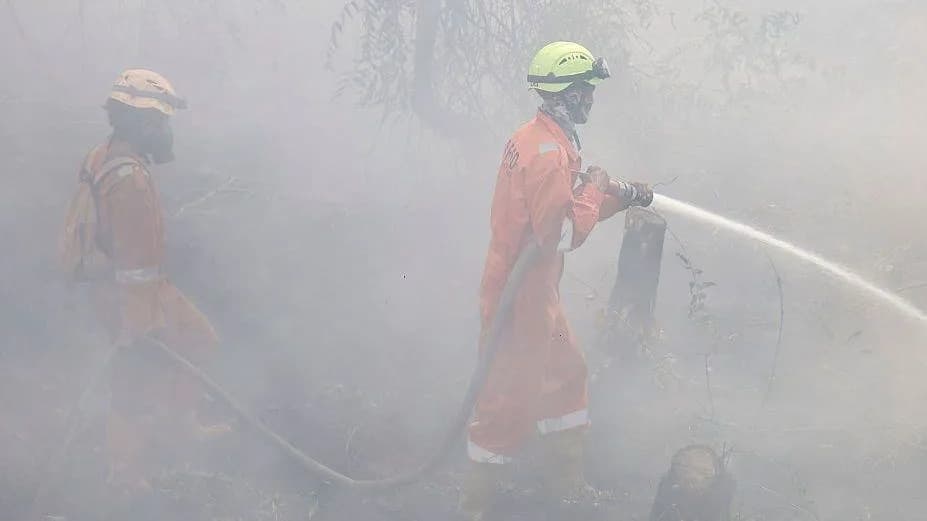
Authorities continue to monitor the volcano and regional airspace. Relief teams are assessing damage to homes, water points and grazing lands while advising residents on ash-cleanup procedures and protective measures to reduce respiratory risks.
Help us improve.