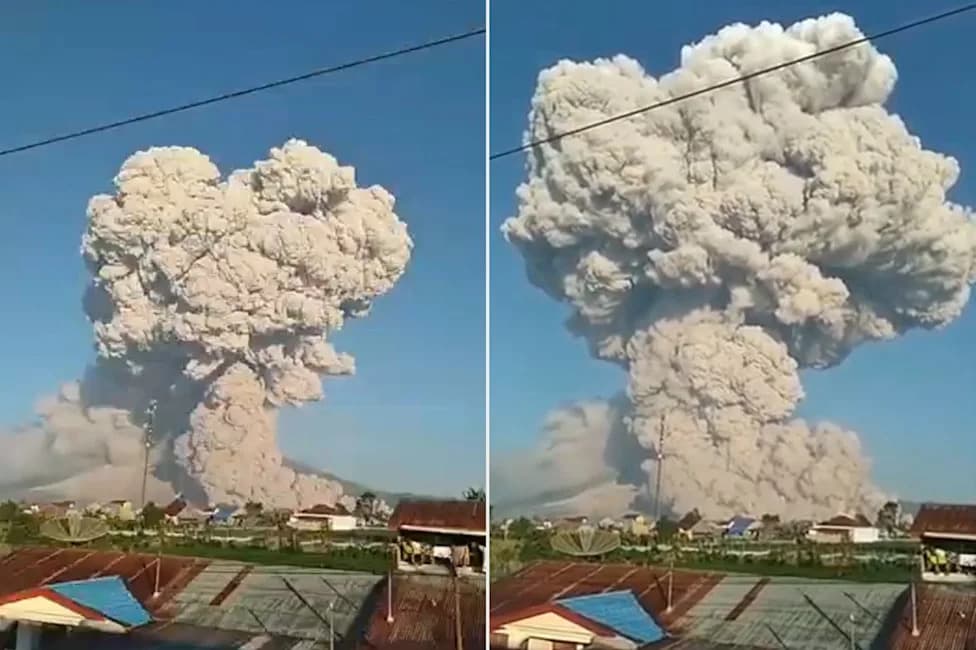
The Hayli Gubbi volcano in Ethiopia's Afar region erupted for the first time in roughly 12,000 years, sending ash and smoke up to nine miles (about 14.5 km) into the sky. The ash plume drifted east over the Arabian Sea toward northwest India and Pakistan, prompting flight cancellations by carriers including Air India and Akasa Air. Local officials reported no casualties but warned that heavy ashfall is covering villages and threatening livestock and livelihoods.
Hayli Gubbi Volcano in Ethiopia Erupts After ~12,000 Years, Sending Ash Plume Nine Miles High

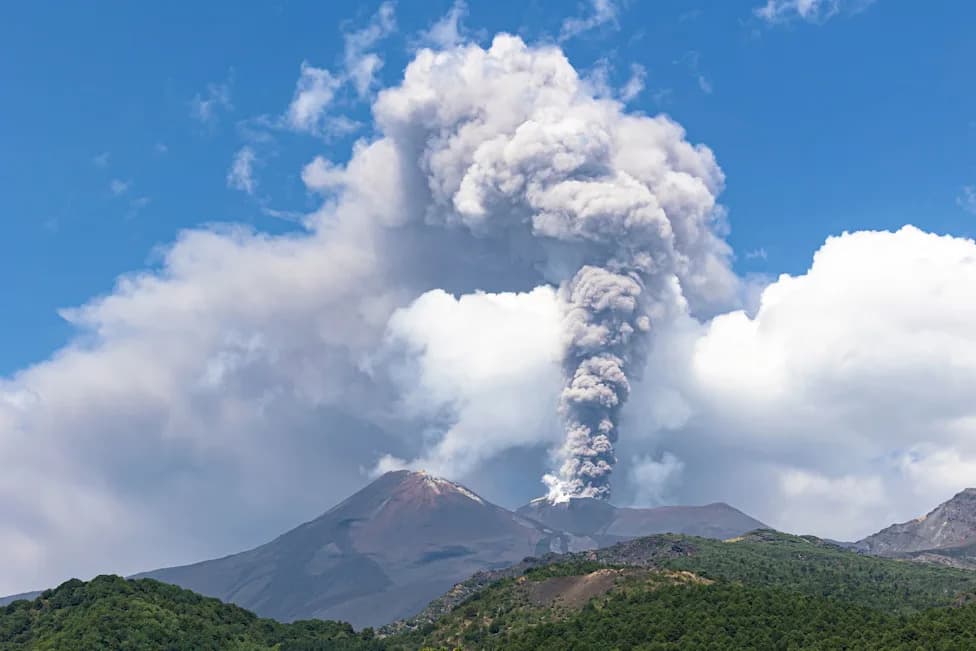
The Hayli Gubbi volcano in Ethiopia's Afar region erupted on Sunday, producing dense ash and smoke that rose as high as nine miles (about 14.5 km) into the atmosphere. The eruption lasted several hours and produced an ash plume that drifted eastward across the Arabian Sea toward Yemen, Oman and parts of South Asia.
Ash plume and aviation impact
The Toulouse Volcanic Ash Advisory Centre (VAAC) tracked the ash cloud as it moved rapidly in the subtropical jet stream toward northwest India and Pakistan. Several airlines altered operations: Air India canceled at least 11 flights, and Akasa Air suspended services to some Middle Eastern destinations because of the ash.
Geological context
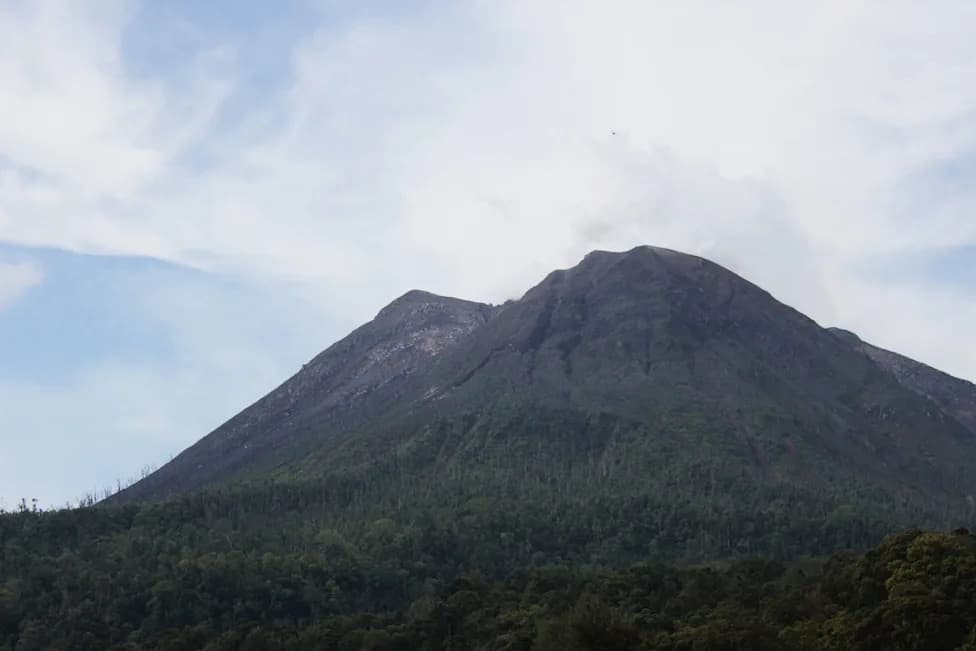
Hayli Gubbi sits in the seismically active Rift Valley, where tectonic plates diverge. The Smithsonian Institution's Global Volcanism Program reports no recorded Holocene eruptions for Hayli Gubbi; the Holocene began roughly 12,000 years ago. Volcanologist Simon Carn confirmed on social media that the volcano has no known Holocene eruption record and noted the ash cloud was spreading quickly over the Arabian Sea.
Local effects and eyewitness accounts
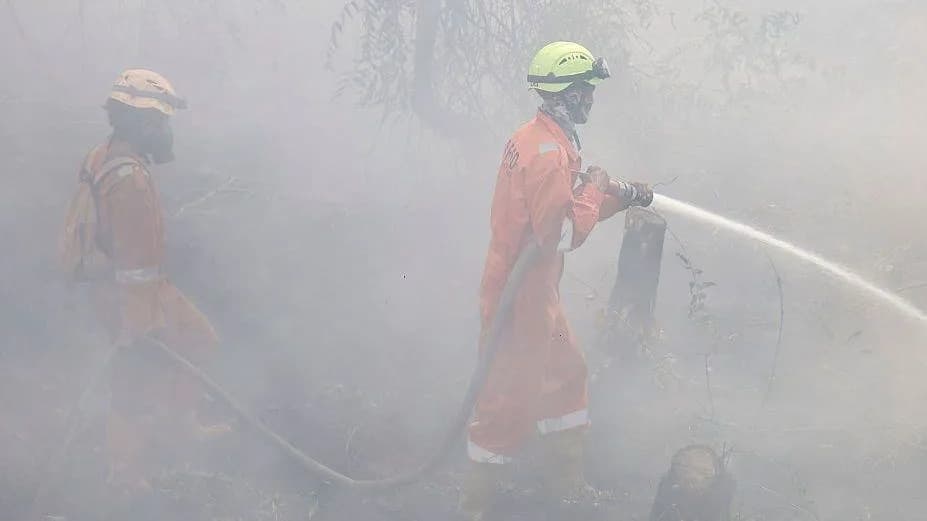
Local administrator Mohammed Seid said there were no reported casualties, but warned of economic hardship for nearby livestock herding communities. "Many villages have been covered in ash and as a result their animals have little to eat," he said, expressing concern for residents' livelihoods.
"It felt like a sudden bomb had been thrown with smoke and ash," said resident Ahmed Abdela, describing a loud sound and a shock wave that accompanied the eruption.
What to watch next
Authorities and monitoring agencies will continue tracking ash movement to assess risks to aviation and to communities downwind. Humanitarian and local authorities may need to respond where ashfall affects grazing land, water supplies and infrastructure.
Help us improve.