The U.S. Department of Justice has asked the Supreme Court to review a Hawaiian law that makes it a misdemeanor for concealed-carry permit holders to carry on private property open to the public without explicit owner permission or signage. The DOJ argues the statute conflicts with the Court's 2022 Bruen ruling and calls it blatantly unconstitutional. The case, Wolford v. Lopez, could affect similar restrictions in states such as California, Maryland, New Jersey and New York and restore public-carry rights for millions if the Court sides with the challengers.
Supreme Court to Hear Challenge to Hawaii Carry Rule — Ruling Could Restore Public-Carry Rights for Millions

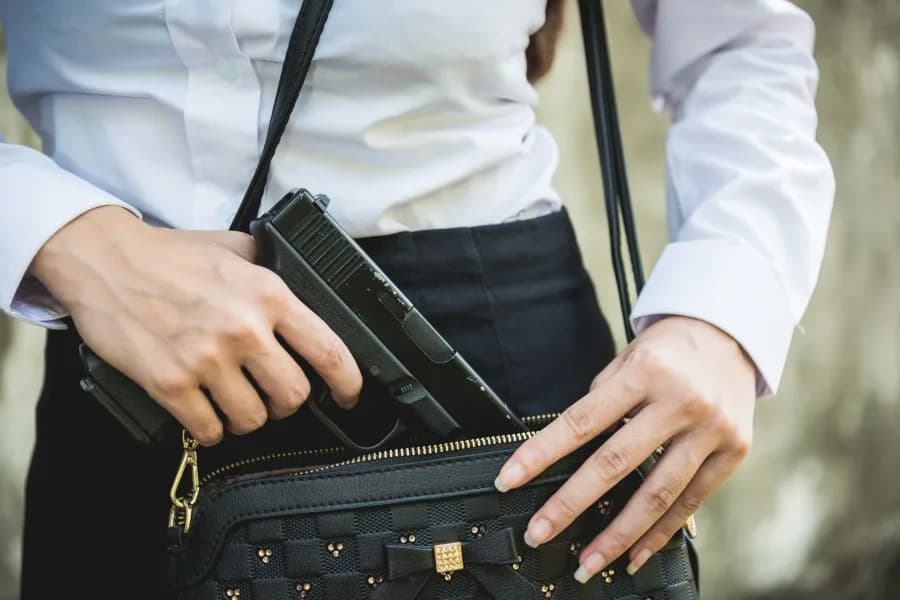
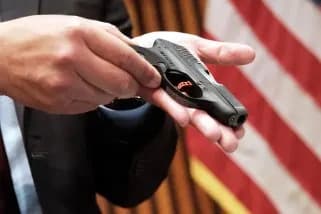
Licensed gun owners in Hawaii could face misdemeanor charges under a new state law that prohibits concealed-carry permit holders from bringing firearms onto private property that is open to the public unless they have clear owner permission or the property displays explicit signage allowing guns. The U.S. Department of Justice has filed a friend-of-the-court brief calling the statute blatantly unconstitutional and asking the Supreme Court to resolve the dispute in Wolford v. Lopez.
Background
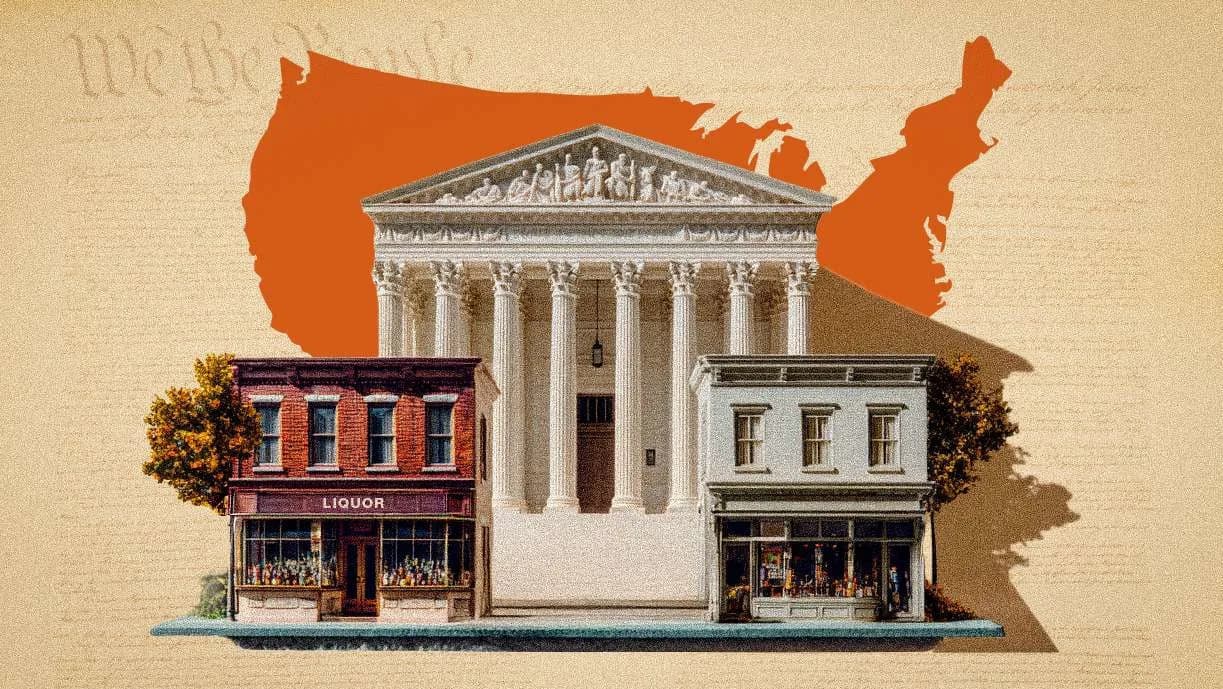
The central question before the Court is whether the Second Amendment permits states to bar concealed-carry license-holders from carrying on privately owned sites that are open to the public unless the property owner has expressly authorized it. The DOJ argues the Hawaii law conflicts with the Supreme Court's 2022 decision in New York State Rifle & Pistol Association v. Bruen, which struck down permitting schemes that required applicants to demonstrate a special need to carry for self-defense in public.
Under the pre-Bruen rules in New York, for example, applicants generally had to show a specific justification — such as active threats or a job-related need — to receive a public-carry permit. According to the DOJ brief, Hawaii's post-Bruen statute effectively nullifies the expanded ability to obtain and exercise concealed-carry rights by sharply limiting where permit-holders may legally carry.
Hawaii's restriction is blatantly unconstitutional as applied to private property open to the public; states cannot evade Bruen by banning public carry through indirect means.
Responses and Implications
Attorney General Pam Bondi said the law plainly violates the Second Amendment and warned that similar restrictions in other states could be affected. The DOJ notes that states such as California, Maryland, New Jersey and New York have laws or policies that could be implicated by the Court's ruling.
David Katz, a former DEA agent and federal firearms instructor who leads Global Security Group, characterized laws like Hawaii's as efforts to limit public carrying despite Bruen, saying, 'They realized they couldn't deny permits outright after Bruen, so they restricted where people can carry.'
Republican officials in states with strict gun rules praised the DOJ intervention. New York City Councilwoman Irina Vernikov, who was charged in 2023 after bringing a licensed handgun to a rally, thanked officials for the brief and argued that severe restrictions can turn law-abiding permit-holders into criminals while doing little to deter actual offenders. Authorities later dropped the charges against Vernikov after determining the handgun was unloaded and rendered inoperable at the time.
The Supreme Court's decision in Wolford v. Lopez could have nationwide consequences, potentially restoring broader public-carry rights for millions of permit-holders if the Court finds that state restrictions like Hawaii's are inconsistent with Bruen. Observers say the case may prompt challenges to similar local laws and reshape how states regulate carrying firearms in places that are privately owned but open to the public.
Help us improve.