Ben Shapiro told attendees at the Jewish Leadership Conference that conservatives are "weirdly feminizing" Gen Z men by promoting a victimhood mindset that removes agency and breeds anger. He argued that blunt, coach-like guidance combined with practical policy solutions — such as encouraging relocation from high-cost cities — would better serve young men. Shapiro warned that failing to offer frank leadership has opened space for extremist influencers like Nick Fuentes and Andrew Tate. He urged leaders to pair structural reforms with demands for personal responsibility.
Ben Shapiro: Right Is 'Weirdly Feminizing' Gen Z Men — Urges Tough-Love Approach
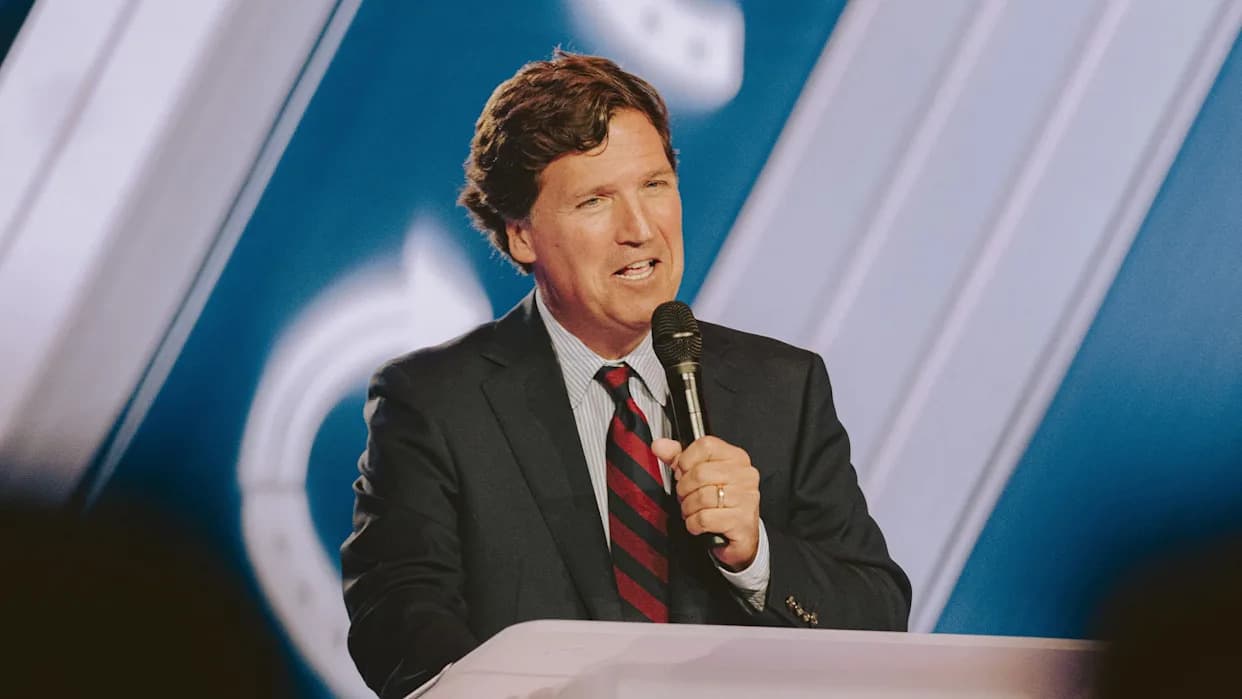
Conservative commentator Ben Shapiro argued that many on the right are failing young Republican men by avoiding blunt, corrective talk and instead offering what he called a comforting "victimology." Speaking on November 16 while accepting the Herzl Prize at the Jewish Leadership Conference in New York City, Shapiro said that message has pushed some young men toward nihilism and extremist influencers.
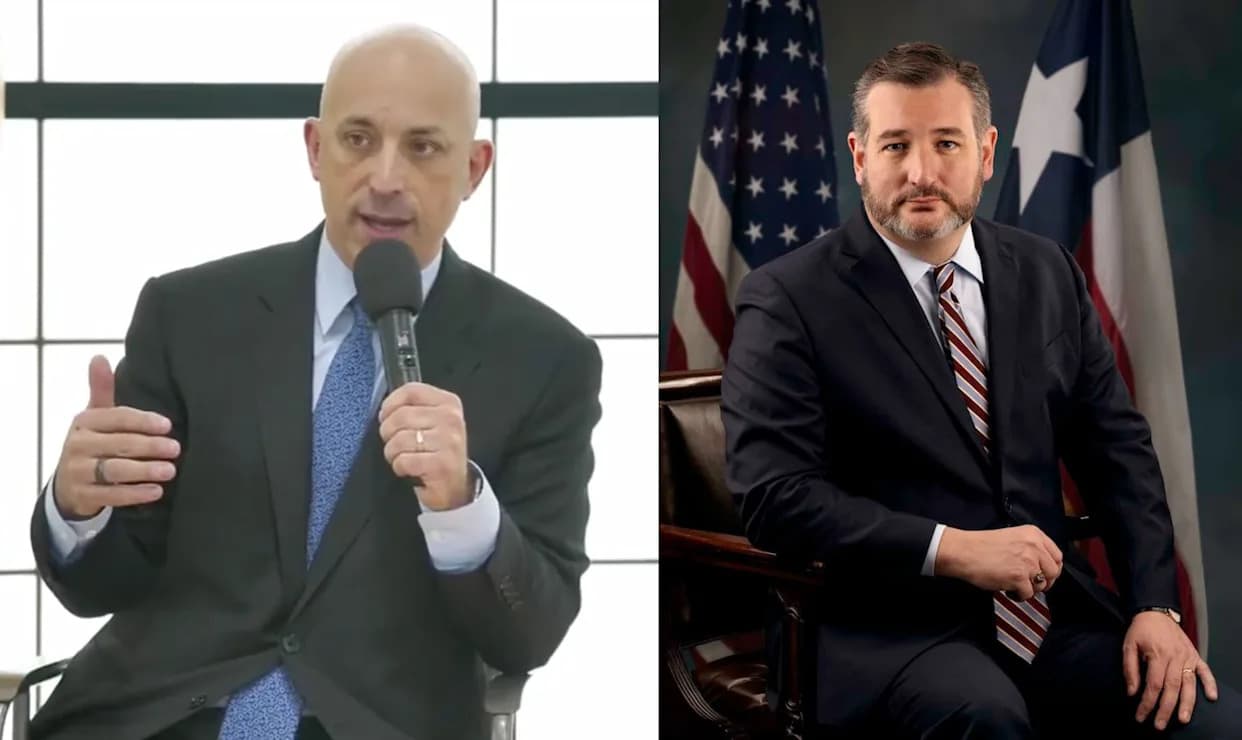
The award that night was also presented to Bari Weiss and columnist Dan Senor. During a panel discussion with the other winners, Shapiro said a political class that emphasizes unsolvable problems strips young people of agency and leaves them with unresolved anger.
"I think that the right is actually weirdly feminizing young men by giving them a victimology to buy into," Shapiro said.
Shapiro rejected the idea that today's young adults categorically cannot afford homes or marriage, calling the notion exaggerated. He argued that practical choices — such as relocating from high-cost cities like New York to more affordable areas — can change prospects, and that Republicans should offer honest guidance rather than coddling pessimism.
He recommended a straightforward, coach-style approach: call out poor behavior, demand improvement and emphasize personal responsibility alongside removing structural obstacles. Shapiro quoted an unnamed soccer coach who told him that rallying young men often requires candid criticism — telling them how they underperformed so they can respond constructively.
Shapiro warned that the right's reluctance to be forthright has opened space for more extreme voices. "In a weird way," he said, that gap has led some Americans toward figures like Nick Fuentes and Andrew Tate, who offer simplistic, often hostile prescriptions for frustrated young men. He cited Fuentes as an example of extremist rhetoric that fills a void when mainstream conservatives fail to provide direct leadership.
"If you're failing in life, yes, we can get the obstacles out of your way. But kind of, it's a little your fault — pick your ass up and go do something useful," Shapiro said, urging greater emphasis on personal initiative.
Shapiro's comments reflect an ongoing debate within conservative circles about how to engage Gen Z: whether to focus primarily on systemic fixes or to pair those efforts with candid messages about personal responsibility and cultural expectations. His remarks prompted discussion about tone, strategy and the risks of leaving political and cultural vacuums unfilled.
Help us improve.