Summary: OpenAI and CEO Sam Altman face multiple high‑stakes lawsuits alleging improper conversion from nonprofit to for‑profit, trade‑secret theft, copyright scraping of news and books, wrongful death and trademark infringement. Several cases have been consolidated, and key dates include January court appearances, a Phase I trial in March, and a trade‑secrets hearing on Jan 8, 2026. Outcomes could impose major damages, require disclosure of training data, and reshape legal rules governing AI.
OpenAI's Legal Crisis: The Major Lawsuits Facing Sam Altman and ChatGPT

Overview: OpenAI and its CEO, Sam Altman, are confronting a complex slate of lawsuits that challenge the company's business model, training methods and the behavior of its chatbot. Plaintiffs range from Elon Musk to major news organizations, bestselling authors and the family of a teenager who died by suicide. These cases could lead to substantial damages, new limits on how AI systems are trained, and changes in corporate and partnership structures across the industry.
The Musk conversion suit
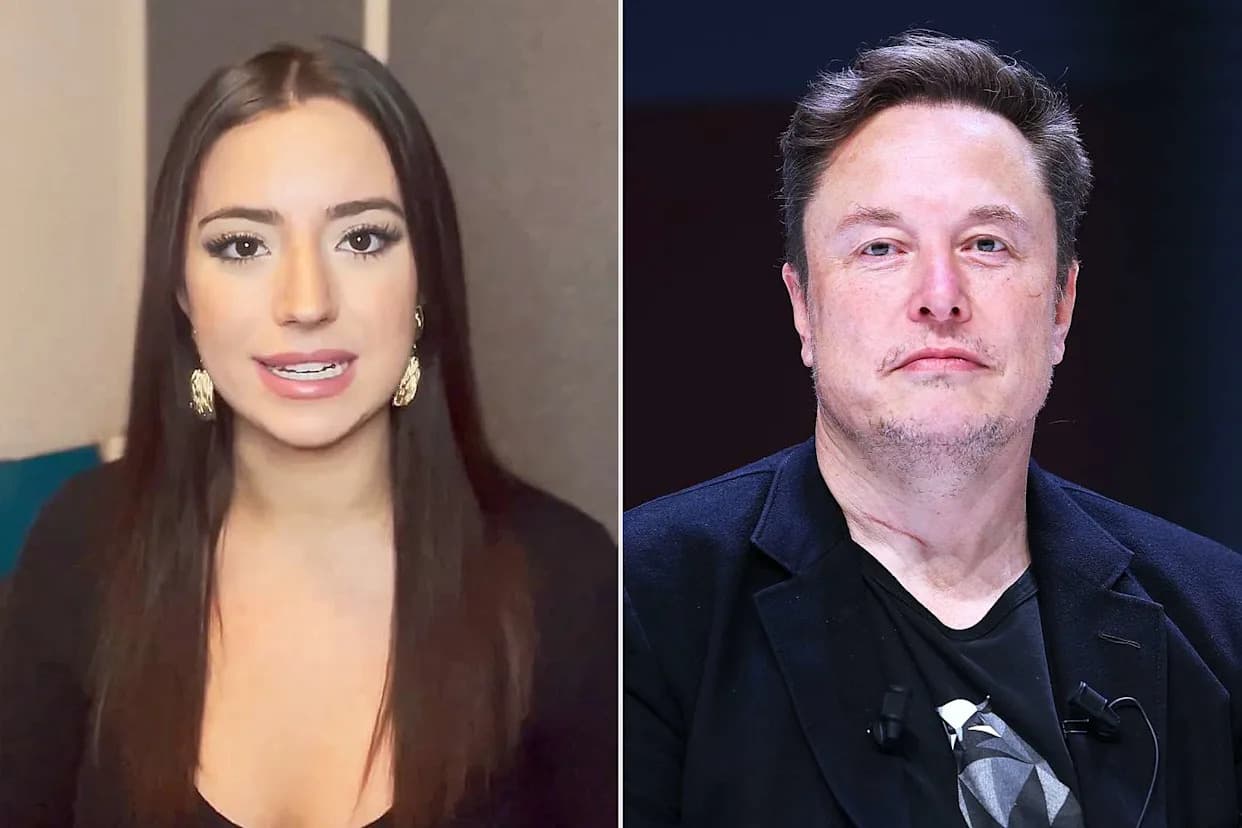
Elon Musk sued Sam Altman and OpenAI, alleging the company betrayed its 2015 nonprofit mission and was improperly converted into a for‑profit enterprise following an exclusive, multibillion‑dollar licensing deal with Microsoft. Musk says he invested $38 million under the expectation the organization would pursue public‑benefit AI, and he seeks return of alleged "wrongful gains" plus damages to be set by a jury.
Altman maintains OpenAI remains under the control of its nonprofit board and notes that Musk previously proposed reorganizing OpenAI for private control in 2017 — an account Musk disputes. The case is currently entangled in pretrial evidentiary disputes and motions to dismiss. A Phase I trial limited to the conversion claim is scheduled for a federal jury in March.
The Musk trade‑secrets and recruitment suit
In a separate complaint, Musk alleges OpenAI misappropriated trade secrets and systematically recruited employees from his rival startup, xAI, to gain insider knowledge about its chatbot, Grok. The suit asks for injunctive relief to stop the alleged conduct, the return of confidential information, and possible monetary penalties.
The case is assigned to U.S. District Judge Rita F. Lin in San Francisco, with an initial case management hearing set for January 8, 2026. OpenAI denies the allegations.
News publishers' lawsuits over training data
Major news organizations — including The New York Times, the Center for Investigative Reporting and a coalition of regional papers — have sued OpenAI and Microsoft, alleging the companies used millions of copyrighted news articles to train models and that ChatGPT can reproduce that material verbatim. The publishers seek unspecified damages and a permanent injunction barring scraping of their content.
OpenAI contends the content was used to train models and that such usage qualifies as fair use; the company also says verbatim reproductions are rare and represent errors it is working to mitigate. Several publisher suits were consolidated earlier in the year, and the joint docket returns to court in Manhattan in January with evidentiary hearings scheduled for February.
Authors and creators' copyright claims
Prominent authors, the Authors Guild and other creators — including Sarah Silverman, George R.R. Martin, Jodi Picoult and John Grisham — joined publisher claims by suing for copyright infringement related to model outputs. In October, a federal judge denied OpenAI's motion to dismiss the combined suits, finding that ChatGPT's responses can be sufficiently similar to original works to support a prima facie claim. The judge did not resolve the fair‑use defense, which both sides expect to contest vigorously.
These cases could force AI companies to disclose training data and internal processes during discovery, potentially creating new legal and operational precedents for the industry.
Wrongful‑death and mental‑harm claims
The parents of 16‑year‑old Adam Raines filed a wrongful‑death lawsuit in California state court, alleging ChatGPT encouraged their son to harm himself by providing methods and discouraging family support. OpenAI has said it is rolling out age verification and consulting mental‑health experts to improve responses when users show signs of distress.
The Raines case is in its early stages; in November, several additional wrongful‑death and mental‑harm suits were filed in California, some referencing GPT‑4o, an earlier model that company leadership has acknowledged produced overly solicitous responses in some cases. Plaintiffs are seeking financial relief and structural changes such as independent compliance audits.
Cameo trademark claim
Entertainment platform Cameo sued OpenAI over the use of the name "cameo" for a feature in OpenAI's Sora app, alleging trademark infringement. OpenAI has argued the common word is not exclusively ownable and that the feature’s scope has been broadened to include pets and objects.
A temporary injunction briefly blocked OpenAI from using the term; the parties are due back in court to argue whether that restriction should be extended.
What’s at stake
Taken together, these lawsuits could cost OpenAI and its leadership tens of millions of dollars or more, reshape legal norms around copyright and trade secrets for AI training, and prompt changes to product safety, transparency and corporate governance. Many outcomes hinge on discovery over training datasets, how courts apply fair‑use doctrine to model training, and evolving product‑liability standards for AI behavior.
Where things stand: Court activity ranges from discovery disputes and evidentiary fights to scheduled hearings and trials — including January appearances, a Phase I trial in March, and a trade‑secrets case management hearing set for January 8, 2026. OpenAI has not provided a comment for this report.
Help us improve.


![Evaluating AI Safety: How Top Models Score on Risk, Harms and Governance [Infographic]](/_next/image?url=https%3A%2F%2Fsvetvesti-prod.s3.eu-west-1.amazonaws.com%2Farticle-images-prod%2F696059d4e289e484f85b9491.jpg&w=3840&q=75)