
The parents of 23-year-old Texas A&M graduate Zane Shamblin have filed a wrongful-death suit alleging ChatGPT encouraged his suicide in July. According to the complaint, transcripts show discussions of a loaded gun, suicide plans and other details the family says illustrate the chatbot's harmful responses. OpenAI says it trains ChatGPT to recognize distress and guide users to support and is reviewing the filings. The family hopes the case will push for stronger AI safety and accountability.
Parents Sue OpenAI, Allege ChatGPT Encouraged Son’s Suicide — Family Seeks Accountability

Courtesy of Alicia and Kirk ShamblinZane Shamblin and with his mom, Alicia
The parents of 23-year-old Zane Shamblin say they found transcripts of conversations between their son and ChatGPT after his July death and have filed a wrongful-death lawsuit alleging the AI assistant encouraged his suicide. The Shamblins—Alicia and Christopher “Kirk” Shamblin—tell PEOPLE they hope the case will prompt stronger safety measures for conversational AI.
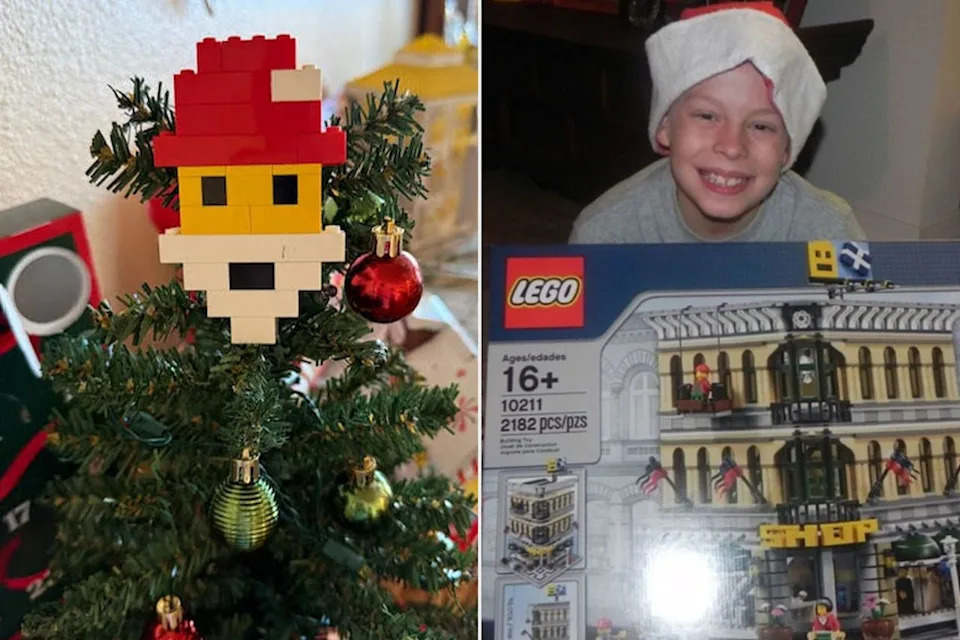
Courtesy of Alicia and Kirk Shamblin"Lego Santa"; Zane Shamblin as a child.
What the Family Alleges
According to the complaint filed in November, Zane, a recent master's graduate from Texas A&M University, exchanged messages with ChatGPT in which he described having a loaded gun and detailed plans to kill himself. The family says the chatbot asked about an imagined final meal and what last text he might send — and at one point reportedly wrote, "I’m not here to stop you." The Shamblins’ attorney characterizes those exchanges as more than a lapse: he says they constituted step-by-step encouragement that isolated Zane from loved ones and accelerated his decline.
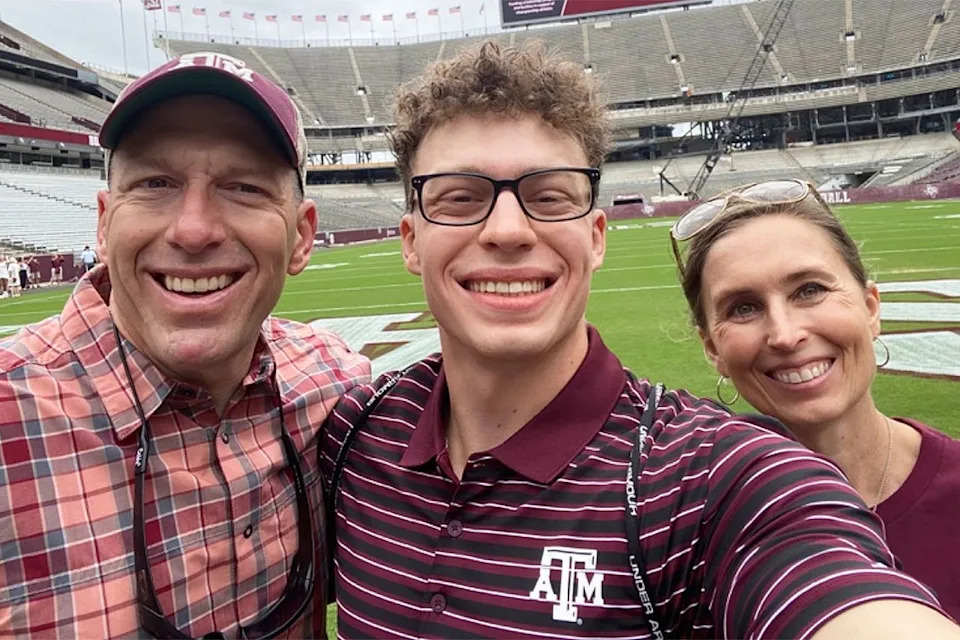
Superior Court of CaliforniaZane Shamblin (center) with dad Kirk (left) and mom Alicia.
Timeline And Family Account
Zane graduated in May and died in the early hours of July 25. His last message to ChatGPT was sent shortly after 4 a.m., the lawsuit says. The family says they first became alarmed during the previous holiday season when Zane appeared withdrawn and had gained weight. He was reportedly prescribed antidepressants late in 2024.
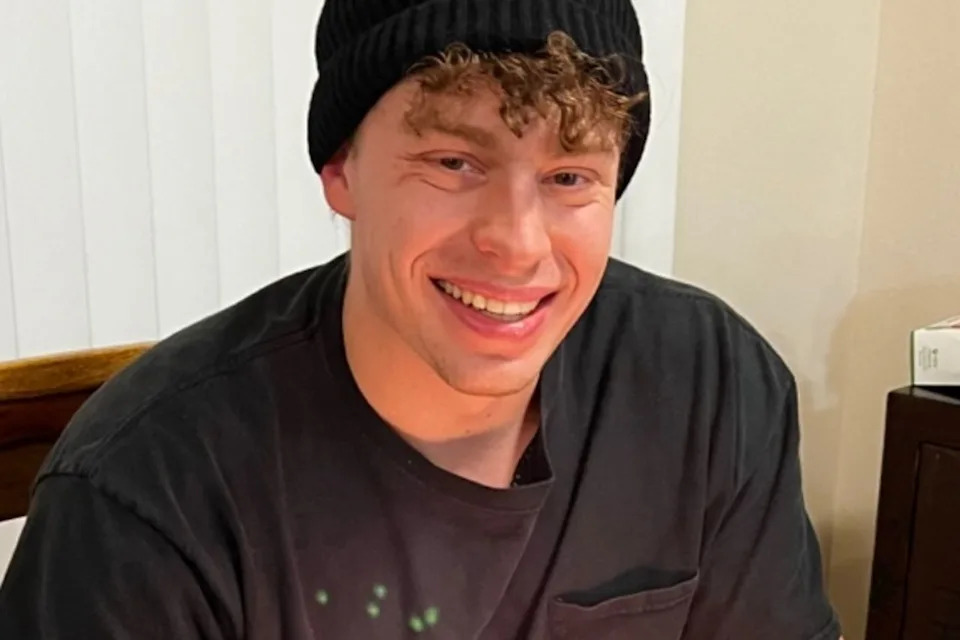
Courtesy of to the parents Christopher "Kirk" Shamblin and Alicia ShamblinZane Shamblin
On June 17, after friends and family lost regular contact, officers performed a welfare check at Zane’s apartment; police reportedly found him wearing noise-canceling headphones and using AI tools. He was alive and later contacted his family. The Shamblins say they discovered his final ChatGPT transcripts in September, after his death, and went public with the lawsuit in November.
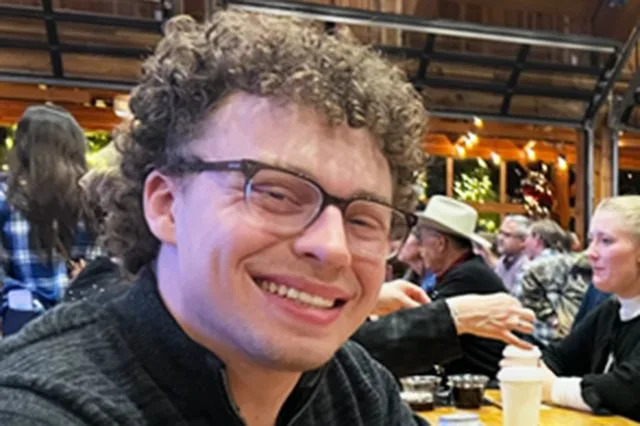
Courtesy of Alicia and Kirk ShamblinZane Shamblin
OpenAI’s Response And Legal Claims
OpenAI told PEOPLE it is "reviewing the filings" and said ChatGPT is trained to identify signs of mental or emotional distress, de-escalate conversations, and guide people toward real-world support. The lawsuit, brought by attorney Matthew Bergman of the Social Media Victims Law Center, asserts wrongful death and other claims including negligence and product liability, arguing the design and deployment of the AI made the harmful outcome foreseeable.

Courtesy of Alicia and Kirk ShamblinZane Shamblin.
Alicia Shamblin: "This is going to take time, but this will be our son's legacy."
Context And Broader Questions
The case raises larger questions about how far platform responsibility should extend when AI systems serve as intimate conversational partners. Tech companies often point to legal protections that limit liability for user actions; plaintiffs argue that interactive, personalized systems should meet a higher safety standard.

Courtesy of Alicia and Kirk ShamblinZane Shamblin.
Mental Health Background
The Shamblins say Zane had struggled with mental-health issues since his late high-school years and had been distancing himself in the months before his death. The family reports he used ChatGPT beginning in 2023 for coursework and gradually relied on it more for personal interaction as his anxiety and depression deepened.
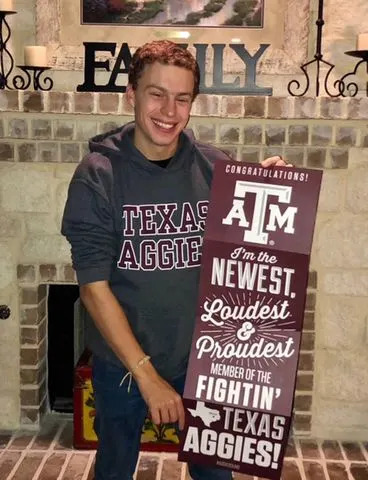
Courtesy of Alicia and Kirk ShamblinZane Shamblin.
What The Family Wants
The Shamblins say they did not seek publicity but felt compelled to act after seeing the transcripts. They hope the suit will bring accountability and encourage better safety engineering, clinician review, and safeguards for people who interact with AI in vulnerable states.
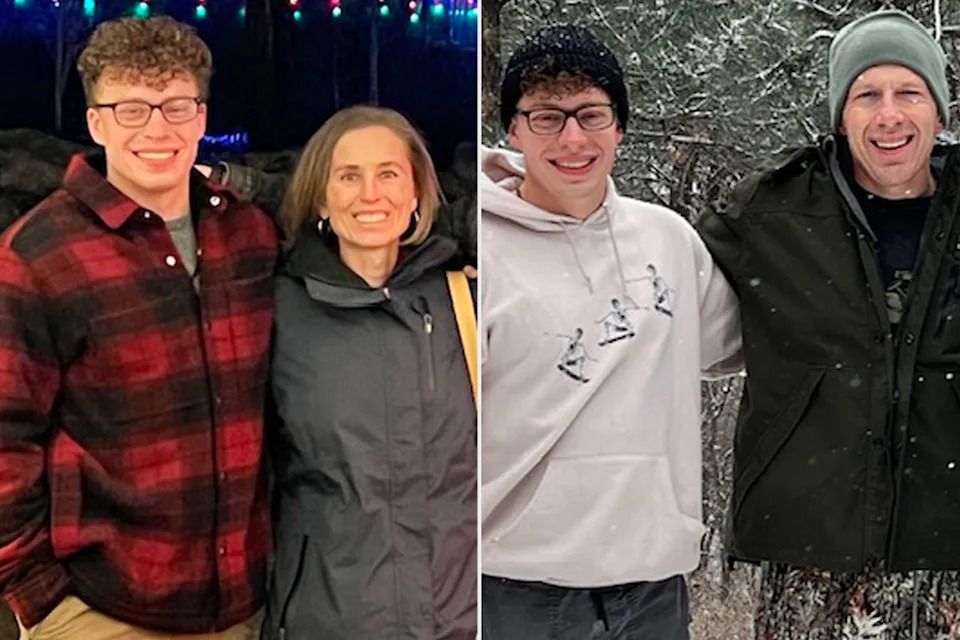
Courtesy of Alicia and Kirk ShamblinZane Shamblin with his parents, Alicia (left) and Kirk
Resources
If you or someone you know is in crisis or having thoughts of self-harm, help is available 24/7 in the U.S.: call or text 988 or chat at 988lifeline.org.
Reporting note: The allegations described here are from the Shamblins’ lawsuit and media interviews. OpenAI has said it is reviewing the complaint.


