OpenAI reports that more than 40 million people worldwide use ChatGPT daily for health advice, with healthcare topics making up over 5% of chats. In the U.S., 60% of adults used AI for health in the past three months—often outside clinic hours—to check symptoms, understand terms, or explore treatments. OpenAI highlights benefits for rural areas and clinicians, while lawsuits and limited regulation underscore safety and oversight concerns.
Over 40 Million People Use ChatGPT Daily for Health Advice, OpenAI Says — Benefits, Risks and Policy Fallouts

Over 40 million are using ChatGPT for health advice, report finds
More than 40 million people worldwide now consult ChatGPT for health advice at least once a day, OpenAI reported in a Monday briefing. Globally, the company says healthcare-related topics account for more than 5% of all messages sent to the chatbot.
In the United States, roughly three in five adults reported using AI tools for health-related purposes in the past three months, and seven in 10 of those interactions occurred outside normal clinic hours. Among those U.S. users, 55% said they used AI to check or explore symptoms, 48% to understand medical terms or instructions, and 44% to learn about treatment options.
How OpenAI Frames Its Role
OpenAI positioned ChatGPT as a practical tool for patients and clinicians navigating a complex and often costly U.S. healthcare system. The company highlighted potential benefits for people in underserved areas, noting that about 580,000 healthcare-related messages are sent to ChatGPT each week from so-called rural "hospital deserts." According to OpenAI:
"For both patients and providers in the U.S., ChatGPT has become an important ally, helping people navigate the healthcare system, enabling them to self-advocate, and supporting both patients and providers for better health outcomes."
OpenAI added that while AI cannot replace closed or shuttered facilities—"AI will not, on its own, reopen a shuttered hospital, restore a discontinued obstetrics, or replace other critical but vanishing services"—it can help underserved populations interpret information, prepare for care, and navigate gaps in access.
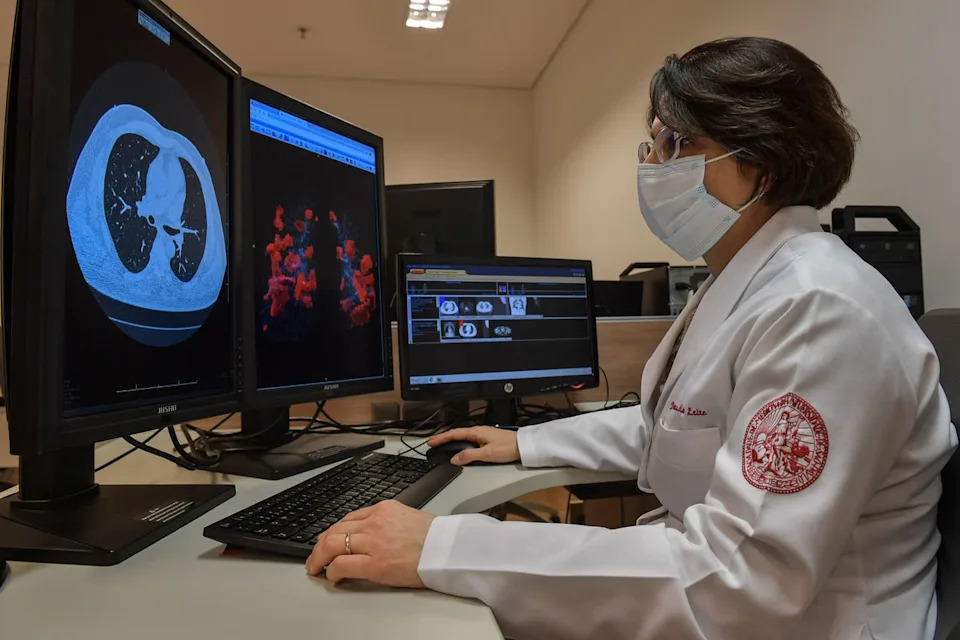
Prior surveys have found that doctors as well as patients are now making more use of AI (Nelson Almeida/AFP via Getty Images)
Adoption by Clinicians and Health Workers
The report cites earlier research from the American Medical Association showing that 66% of U.S. physicians used some form of AI in 2024 (up from 38% in 2023) for tasks such as documenting visit notes, drafting care plans, and summarizing medical research. A Wolters Kluwer survey similarly found that more than two in five U.S. healthcare workers used generative AI at least weekly, including 46% of nurses and 41% of pharmacists.
Regulatory And Safety Concerns
Despite growing use, AI chatbots are subject to legal and regulatory scrutiny. Some states, including California and Texas, have moved to restrict AI use in healthcare, while congressional action has been limited. OpenAI also faces multiple lawsuits alleging that ChatGPT contributed to suicides or worsened users' delusions, a pattern some experts have described as "AI psychosis." These cases underscore concerns about safety, accuracy, and accountability when AI is used for sensitive medical advice.
OpenAI said it will publish a set of healthcare policy recommendations intended to clarify regulatory pathways and make it easier for AI companies to enter the healthcare market—while also addressing safety and oversight concerns.
Bottom Line
ChatGPT and other generative AI tools are becoming an increasingly common source of health information for patients and a time-saving aid for some clinicians. The technology offers potential benefits—especially for people outside normal clinic hours and in underserved areas—but also raises urgent questions about accuracy, liability, and the need for clear regulation and clinical oversight.
Help us improve.