The Labour government that won a landslide last year faces a make-or-break budget aimed at repairing public finances, cutting debt and jump-starting growth amid persistent inflation and sluggish borrowing. Treasury chief Rachel Reeves has limited options: politically sensitive spending cuts are unlikely, leaving tax rises as the primary tool. Potential measures include a levy on very expensive homes and a pay-per-mile charge for EVs, alongside pension increases and rail fare freezes to soften the blow. Markets and restive Labour MPs will watch closely; a misfiring budget could seriously damage the government's standing.
High-Stakes UK Budget: Reeves and Starmer Under Pressure to Deliver Growth

After sweeping to victory in a landslide last year, Britain’s Labour government is preparing a pivotal budget it describes as a one-off package of tax measures intended to repair public finances, reduce debt, ease the cost of living and kick-start economic growth.
One year on, inflation remains stubbornly high, borrowing has risen and the economy is still sluggish. The budget, due Wednesday, is widely expected to include further tax measures as ministers search for a path to sustainable growth.
Limited options
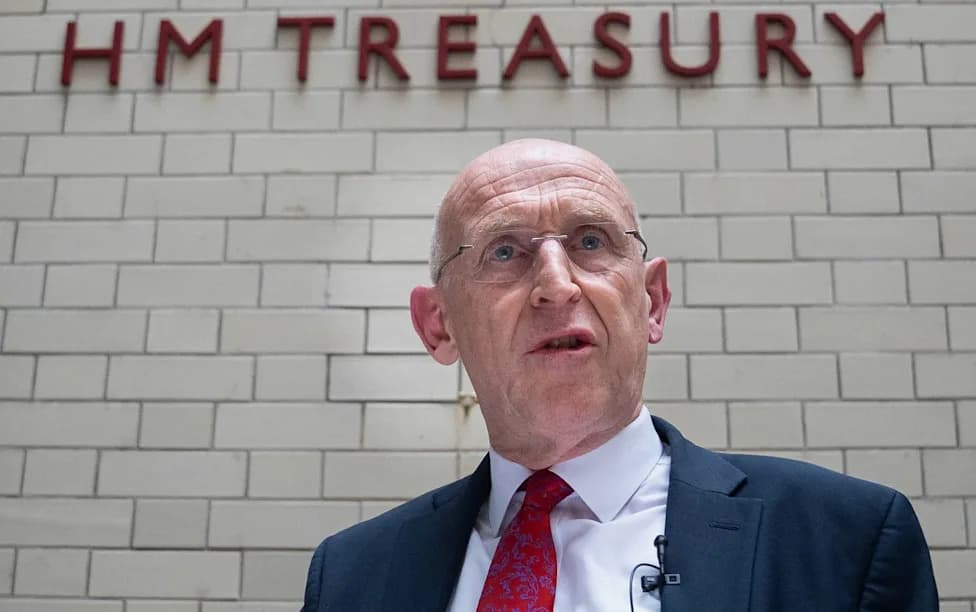
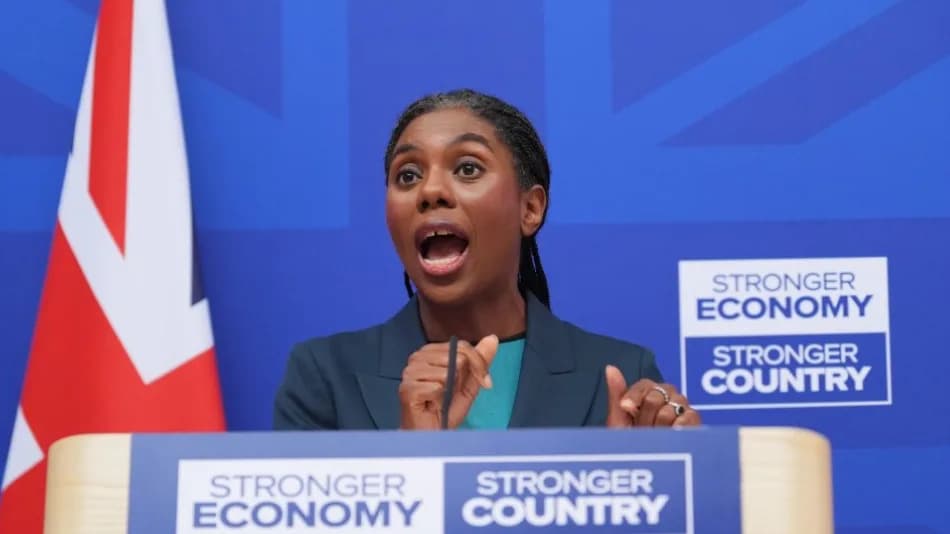
The government says Treasury chief Rachel Reeves will take "tough but right decisions" to protect households and public services while keeping debt under control. But Reeves has limited room to manoeuvre. Britain — the world's sixth-largest economy — has lagged its long-term growth trend since the 2008-09 financial crisis, and the Labour administration has so far struggled to deliver the rebound it promised.
Like other advanced economies, the U.K.'s finances are constrained by the costs of the COVID-19 pandemic, the war in Ukraine and global trade disruptions. On top of those pressures, Brexit has also contributed to weaker economic performance since 2020. The government currently spends more than £100 billion a year servicing debt, which stands at roughly 95% of annual national income.
Markets loom large
Financial markets remain a powerful constraint. Reeves is mindful of the 2022 market turmoil that followed an unfunded tax package, which sharply weakened the pound and pushed up borrowing costs. Luke Hickmore, investment director at Aberdeen Investments, warns that the bond market is the "ultimate reality check": if investors lose confidence, borrowing costs rise and policy options narrow.
Mixed signals before the budget
With spending cuts politically fraught and attempts to curb welfare costs blocked by Labour backbenchers, tax increases have become the main way to raise revenue. Reeves briefly signalled she would raise income tax rates—contradicting a prominent election pledge—before retreating after pushback from MPs and a better-than-expected fiscal update.
Officials have since suggested a package of smaller measures could be preferable, including proposals such as a levy on very expensive homes (a so-called "mansion tax") and a pay-per-mile charge for electric vehicles. To soften the impact, the government is expected to announce offsets such as an above-inflation increase to state pensions for many retirees and a freeze on a range of rail fares.
“You can give markets confidence, but that probably means raising taxes, which is very unpopular with voters,” said Patrick Diamond, professor of public policy at Queen Mary University of London. “Or you can shield voters from tax rises, but that makes markets nervous because they worry the government lacks a credible fiscal plan.”
High political stakes
The budget arrives amid growing unease inside Labour about weak poll ratings. Some MPs have privately mulled the once-unthinkable prospect of a leadership challenge to Prime Minister Keir Starmer. Luke Tryl of pollster More in Common warned voters “don’t understand why there has not been positive change,” calling this a potential "last-chance saloon" moment for the government.
Ministers hope that the package of measures will restore market confidence and lift growth, but analysts caution that a misfiring budget could intensify pressure on both Reeves and Starmer and damage the government's electoral prospects ahead of the next general election.
Help us improve.