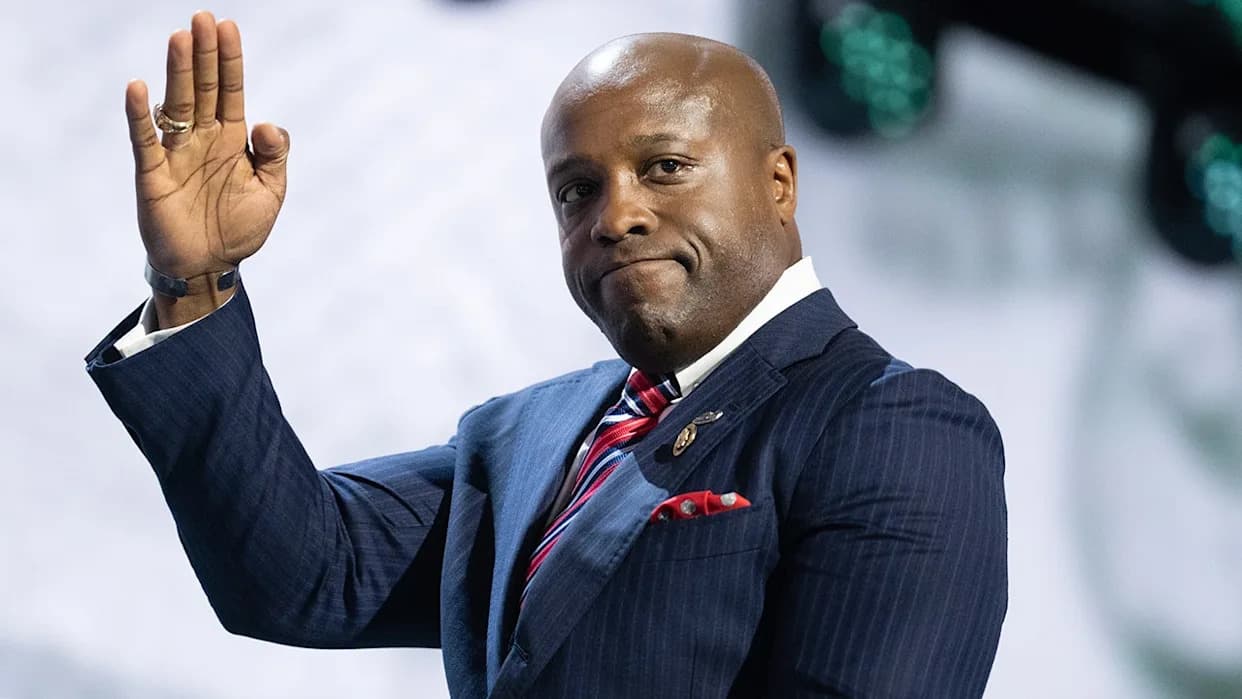
Rep. Wesley Hunt has formally filed to run for the U.S. Senate in Texas, joining Sen. John Cornyn and AG Ken Paxton. Republicans widely expect no candidate to win a March 3 majority, making a May 26 runoff likely and raising concerns about a costly, resource-draining intraparty fight. Polls are split, Trump’s endorsement remains undecided, and more than $50 million has already been spent on GOP primary ads, with both electability and Paxton’s controversies central to the debate.
Texas Senate Primary Escalates: Wesley Hunt Files, GOP Braces for Costly Runoff

Rep. Wesley Hunt formally filed paperwork Tuesday to join the Republican primary for the U.S. Senate in Texas, setting up a three-way contest with incumbent Sen. John Cornyn and Attorney General Ken Paxton. Hunt’s filing — submitted ahead of the state’s Dec. 8 deadline — ends weeks of speculation about whether he would remain in the race.
Runoff now widely expected
Republican operatives and strategists say Hunt’s entry makes it all but certain that no candidate will win an outright majority on March 3, forcing a May 26 runoff between the top two finishers. That prospect worries party leaders, who fear a prolonged and expensive primary will drain resources, delay general-election organizing and hand Democrats a strategic advantage in a large, costly media market state.
Polling and the search for an endorsement
Public and internal polls show a divided field. A survey commissioned by a Cornyn-aligned super PAC put Cornyn at 32%, Paxton at 31% and Hunt at 21% (Nov. 13–16, ±4 points). A pro-Hunt poll released later found Paxton at 36%, Hunt at 26% and Cornyn at 25% (±3.3 points). Both surveys include margins of error and reflect different sampling methods and sponsor interests.
A key unanswered question is whether former President Donald Trump will endorse a candidate. Cornyn and several Senate Republican leaders have lobbied for Trump’s backing, arguing Paxton’s controversies make him a weaker general-election nominee. Paxton and Hunt, however, both emphasize their loyalty to Trump and are vying for his support. A senior administration official said the White House has received heavy lobbying from multiple campaigns seeking an endorsement.
“Just wait. We’ve only begun to fight,” Cornyn said recently when asked about the coming contest.
Money, messaging and attacks
Ad spending in the GOP primary has already topped $50 million, according to ad-tracking data, largely funded by pro-Cornyn groups. Pro-Cornyn organizations and allied super PACs have spent roughly $40 million; Hunt’s campaign and allied groups report about $7.2 million in expenditures so far. Expect additional spending as the filing deadline passes and the race intensifies.
Campaign messaging has focused on electability and character. Cornyn’s allies warn that Paxton’s legal troubles and ethical questions could drag down down-ballot Republicans in newly drawn congressional districts. An analysis shared with Republican strategists suggested Paxton could underperform a typical Republican in several of the state’s five new districts.
Cornyn-aligned groups have also attacked Hunt, airing ads that highlight his missed votes and dubbing him "Mr. No Show." Hunt attributes absences to family reasons and his campaign obligations, and has emphasized his loyalty to Trump in television spots and ad buys aimed at the former president’s circle.
Paxton’s vulnerabilities and strategy
Paxton remains a polarizing figure. The Texas House impeached him in 2023 on allegations that included bribery and misuse of office; the state Senate later acquitted him. He also faces public scrutiny over a high-profile divorce. Paxton’s team, however, says the attorney general remains well-positioned and is focusing on defending the state’s congressional map in court — a position that may appeal to conservative voters.
Each campaign argues it is best positioned to protect or expand Republican control. Cornyn stresses his experience and ability to lift turnout for down-ballot candidates in competitive districts. Hunt frames himself as the freshest, most Trump-aligned alternative able to energize primary and general-election voters. Paxton’s camp leans on his record as the state’s top legal official and his role in the redistricting fight.
Outlook
With primary voters headed to the polls in March and a likely runoff in May, Texas Republicans face an expensive, bruising intraparty fight. Strategists warn that extended infighting could reduce resources for the general election and complicate efforts to defend several competitive House seats drawn into the state’s new map. Democrats are conducting their own primary, and the party will be watching closely for any opportunity that emerges from a prolonged GOP contest.
Help us improve.