The U.S. has increased electronic device screenings at borders, with CBP reporting 14,899 device examinations from April–June 2025 (13,824 basic, 1,075 advanced). Legal protections vary by status: U.S. citizens cannot be denied entry for refusing a search but may have devices seized; green card holders have limited exceptions; visa holders risk being denied entry. Experts recommend planning ahead: travel with a spare device when possible, back up and remove sensitive files, use strong passcodes and two-factor authentication, avoid biometric unlocking, and keep devices in airplane mode during inspections.
Do U.S. Border Agents Have the Right to Search Your Phone? What Travelers Need to Know

Travelers to the United States are increasingly being asked to unlock and hand over electronic devices at ports of entry. Since the administration expanded so-called "enhanced vetting," U.S. border officials have adopted tougher screening practices. In 2025 several high-profile incidents involved legal immigrants and visitors denied entry or detained after device inspections.
Notable cases and official responses
One widely reported case involved a French scientist traveling to Houston for a conference who was refused entry after Customs and Border Protection (CBP) examined phone messages critical of U.S. science policy. The Department of Homeland Security denied the removal was politically motivated; a DHS spokesperson, Tricia McLaughlin, said the scientist was turned away because his device allegedly contained "confidential information" from Los Alamos National Laboratory.
How common are device searches?
CBP describes device searches as uncommon, but reported measurements reached record levels in 2025: between April and June the agency examined 14,899 devices — a nearly 17% increase over the previous three-month high in 2022. Of those searches, 13,824 were classified as "basic" and 1,075 as "advanced." Basic searches typically involve an officer physically inspecting what is visible on the screen. Advanced searches may include connecting external tools to copy or extract data from a device.
Who gets targeted?
Selection for secondary screening and device inspection is inconsistent. Civil-rights groups have documented cases involving veterans, artists, engineers, journalists, Muslims and people of color. Saira Hussain, a senior staff attorney at the Electronic Frontier Foundation (EFF), notes that being pulled into secondary screening once can increase the chance of being flagged again on future entries because entries may be logged in agency databases.
Your legal rights at the border
The legal landscape depends on immigration status. U.S. citizens cannot be denied entry solely for refusing a device search, though CBP may seize a device for a period that could last weeks or months. Green card holders generally have similar protections, but those who have been outside the U.S. for extended periods may be treated as applying for readmission.
Visa holders are the most vulnerable: refusing a requested search can lead to denial of entry or revocation of a visa. As lawyer and author Petra Molnar puts it, device inspections are often "an invasion of privacy" and can carry serious consequences for noncitizens.
Practical steps to protect your privacy
Experts offer practical precautions you can take before traveling:
- When possible, travel with a spare device that contains minimal personal data.
- Back up and remove sensitive files (medical records, financial data, private conversations) before your trip; store them in secure cloud storage or on an offline device.
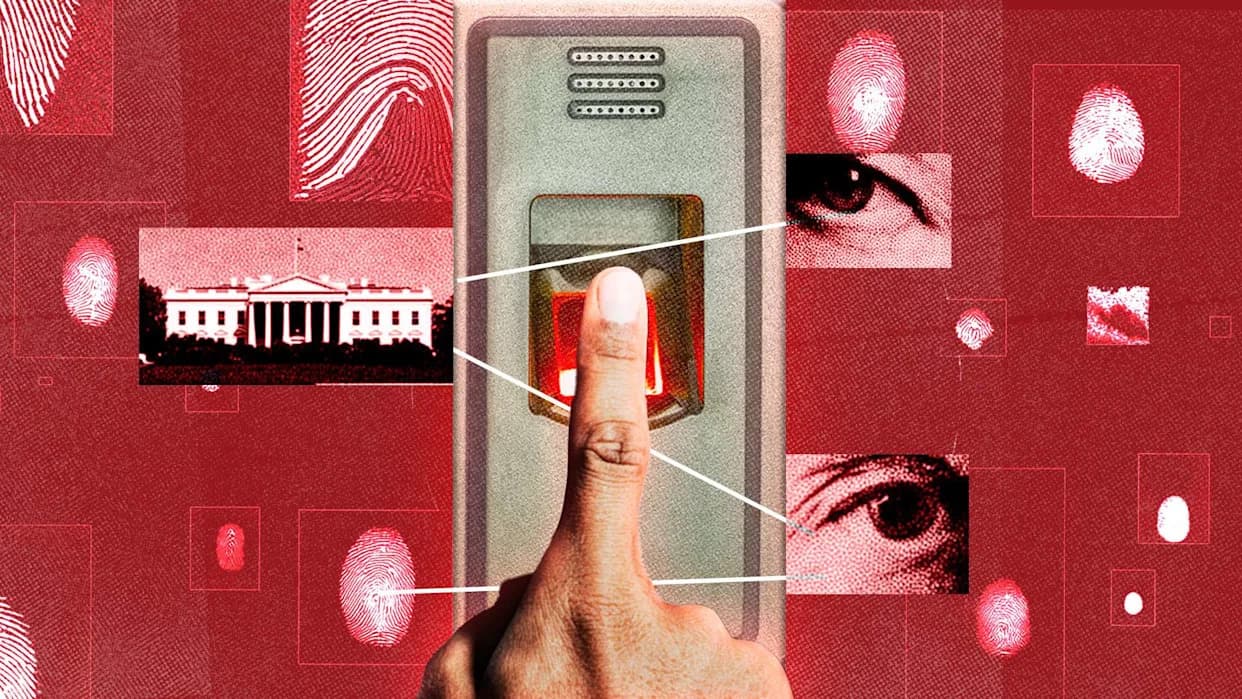
- Use a strong, unique passcode and enable two-factor authentication. Avoid biometric unlocking (face or fingerprint) while crossing a border.
- If an officer asks you to enter your passcode, consider entering it yourself rather than speaking it aloud — this limits how long an officer controls your device.
- Put your device in airplane mode at the border to prevent network activity while it is inspected, as recommended by civil-rights organizations.
Hussain warns that if an officer obtains your passcode they could copy content or later regain access; devices that power off will often require the passcode to unlock.
Final considerations
When deciding how to prepare, ask yourself: "Is there anything I wouldn’t want a customs official to find or access?" A phone often contains years of personal data beyond travel information — photos, medical records, banking details and emails. Understanding your rights and taking simple privacy steps can help reduce the risk of exposing sensitive information at the border.
Saira Hussain, EFF: "Have a plan before you travel... you don’t want to be in the situation where you’re running late for a flight and you feel pressured to comply."
Petra Molnar, author: "Widespread surveillance leads to abuses of power, discrimination, and the stifling of freedom of expression."
Help us improve.