Global Witness reports that roughly 250,000 hectares (618,000 acres) of forest were cleared in Liberia’s cocoa-producing counties from 2021–2024. The NGO says exporters often mix traceable, certified cocoa with untraceable bulk beans, enabling products to be labeled sustainable despite linked deforestation. The investigation names major companies including Hershey, Mondelez, Nestlé, Unilever and Mars. The findings come as the EU debates whether to delay a law requiring full traceability to keep deforestation-linked imports out of its market.
Big Chocolate, Big Cost: NGO Links Hershey, Nestlé, Mars and Others to Deforestation in Liberia

Research published by the NGO Global Witness this week alleges that some of the world's best-known chocolate brands are likely connected to extensive deforestation in Liberia, despite corporate sustainability claims.
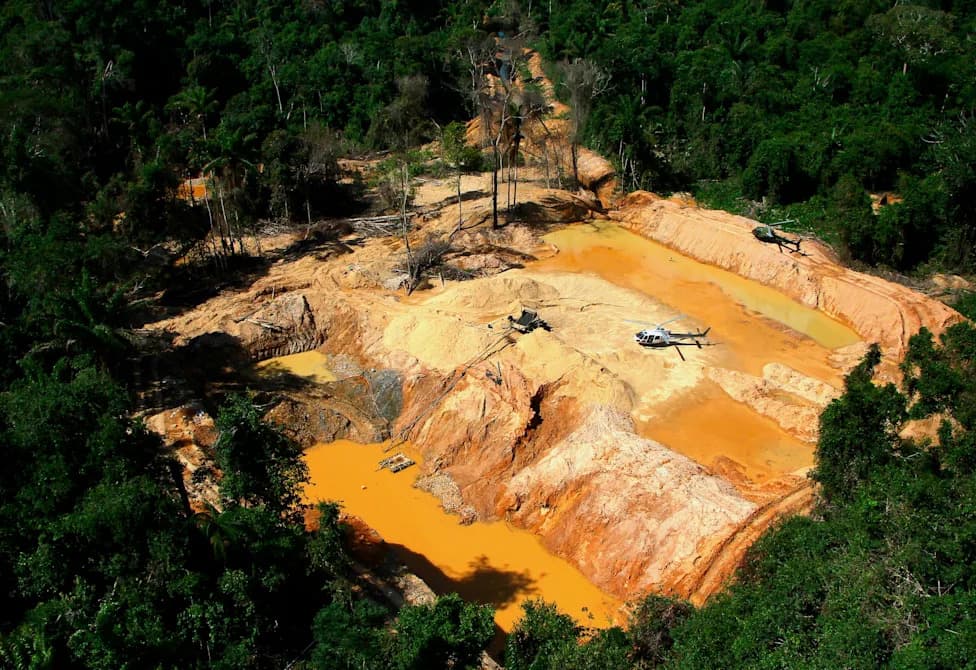
Global Witness says Liberia contains the largest remaining stretch of the Upper Guinean rainforest and is home to endangered species such as chimpanzees and forest elephants. The group found that roughly 250,000 hectares (618,000 acres) of forest were cleared across Liberia’s main cocoa-producing counties—Bong, Nimba and Lofa—between 2021 and 2024.
How cocoa ties to forest loss
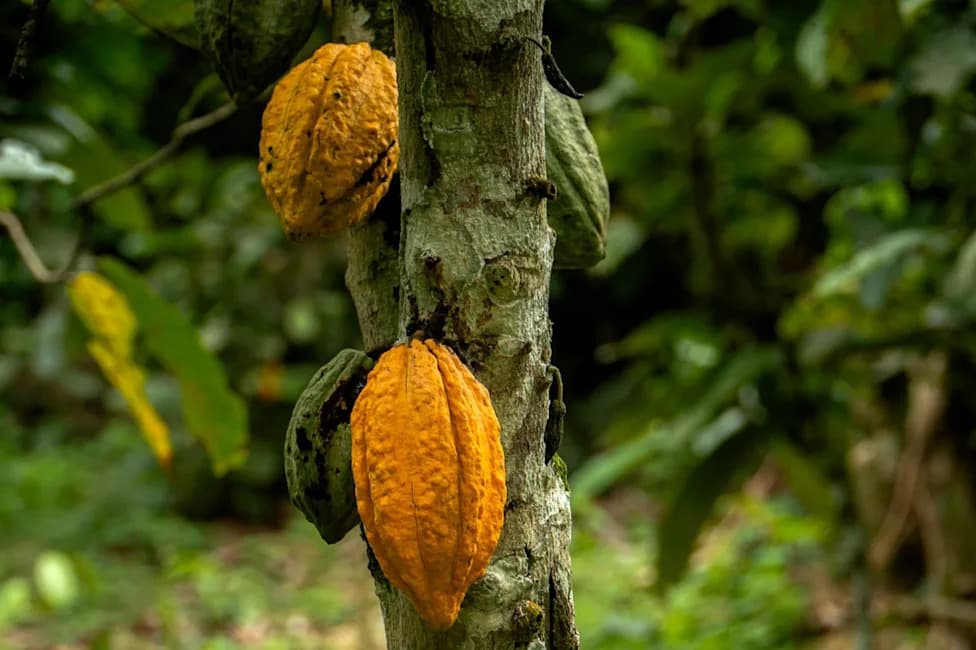
Analysts point to a combination of high global cocoa prices and crop failures in neighboring producing countries as drivers of a cocoa boom in Liberia, pushing farmers to expand cultivation into forested areas. According to the report, cocoa exporters often rely on rural traders who buy beans without verifying their origin, allowing at-risk, deforestation-linked cocoa to enter international supply chains.
Global Witness warns that some companies appear to mix "traceable, certified" cocoa with untraceable bulk beans under certification schemes, enabling finished products to be marketed as sustainable even when non-traceable beans are included. The investigation explicitly names major manufacturers, implicating Hershey, Mondelez (Cadbury), Nestlé, Unilever and Mars.
"Big brands are buying untraceable bulk cocoa that hides a massive deforestation footprint," Global Witness investigator Charlie Hammans said, summarizing the group's findings.
Methodology and broader causes
To reach its conclusions, Global Witness analysed customs records for all cocoa shipments exported by cargo ship from Liberia over the past three years and cross-referenced those flows with tree-cover loss data in the cocoa-producing counties. The report also cautions that, in addition to cocoa, small-scale agriculture, mining, palm oil and rubber production are likely significant contributors to forest loss in the region.
Policy context
The findings arrive as the European Parliament considers whether to delay the rollout of a proposed law that would bar imports tied to deforestation. The proposed measure would require companies selling products like chocolate in Europe to demonstrate full traceability to prove those goods are free from deforestation—an obligation Global Witness says would directly address the kinds of supply-chain gaps identified in its report.
The report underscores how gaps in traceability and bulk sourcing create opportunities for deforestation to be obscured in global commodity chains—and highlights the potential impact of stronger traceability rules if they are implemented and enforced.
Help us improve.