Reanalysis of 2,693 published genomes — including 146 ancient samples, 1,872 modern dogs and ~300 village dogs — reveals that most domestic dogs carry small fragments of wild wolf DNA. About two-thirds of sampled breed dogs show wolf ancestry traceable to events roughly 800 generations ago, and every village dog tested carried wolf-derived segments, often involving olfactory genes. The results show dog-wolf hybridization has been more common than previously thought, with implications for both dog evolution and wolf conservation.
Most Dogs Carry Tiny Traces of Wolf DNA — Thousands of Genomes Reveal Widespread Hybridization

New analysis of nearly 2,700 canid genomes shows that traces of wild wolf DNA are widespread in domestic dogs, reshaping our understanding of dog-wolf interactions after domestication.
Background
Dogs were humanity’s first domesticated animal and have accompanied people for millennia as hunters, guards, companions, transport animals and even sources of wool. Modern dogs descend from an ancient wolf population, but researchers still debate where, when and how often dogs were domesticated. Ancient DNA has suggested two early domestication events in eastern and western Eurasia, followed by later mixing that produced the ancestors of today’s dogs.
What the study analyzed
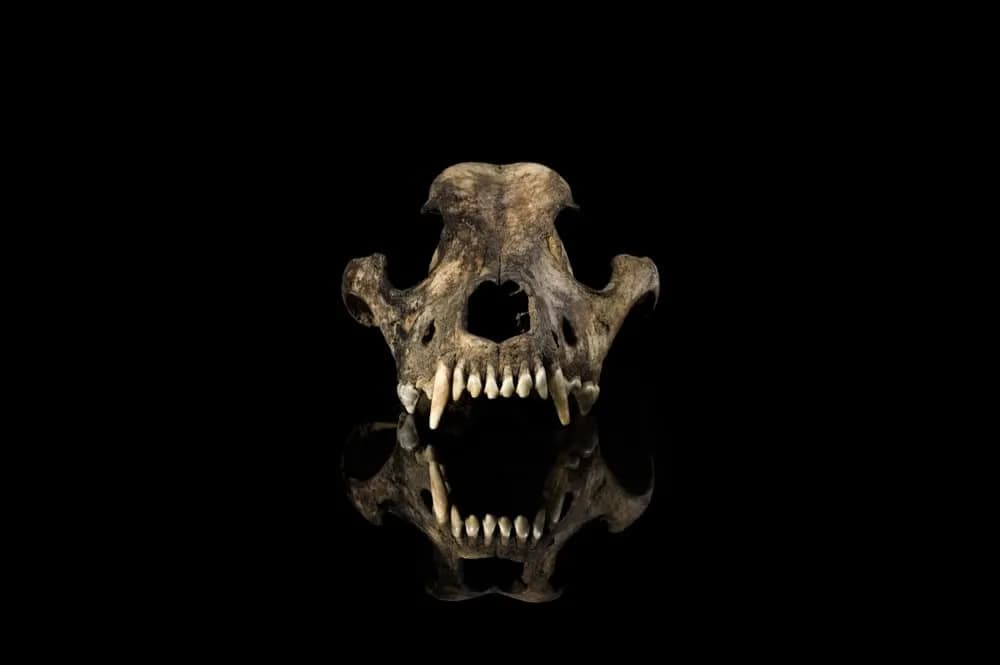
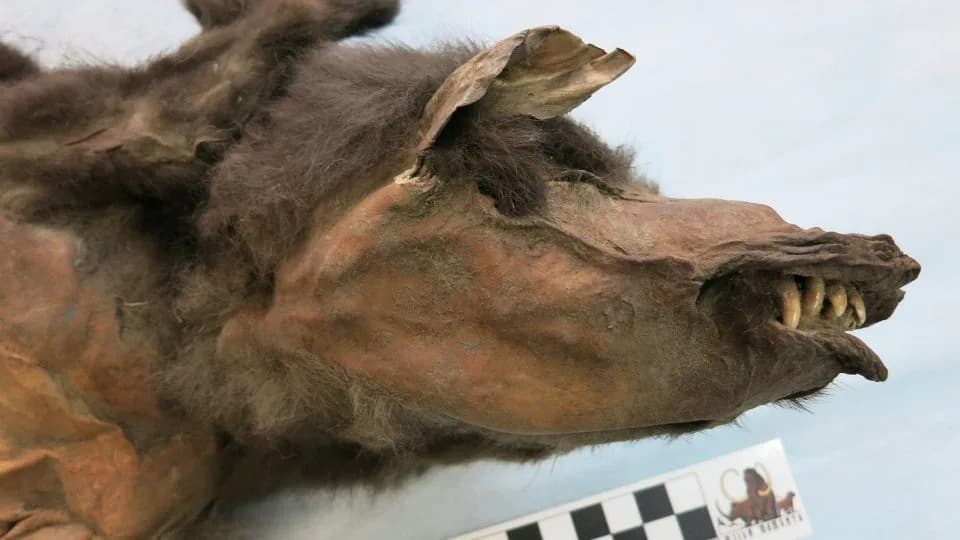
The study reanalyzed a large public dataset of previously published genomes to quantify historical gene flow between dogs and wolves. The dataset included 2,693 genomes in total: 146 ancient dog and wolf samples spanning roughly 100,000 years, 1,872 modern dog genomes (from popular breeds to rare regional types), and about 300 genomes from free-living “village dogs.” Researchers examined maternal lineages (mitochondrial DNA), paternal lines (Y chromosomes) and the nuclear genomes to identify wolf-derived and dog-derived DNA segments.
Key findings
- Wolf-derived DNA segments were detectable in the majority of domestic dog genomes, appearing mainly as small contiguous fragments on chromosomes rather than large blocks of ancestry. - Roughly two-thirds of sampled breed dogs carry wolf-derived segments that trace back to hybridization events estimated at about 800 generations ago on average. - Every village dog analyzed contained fragments of wolf DNA; village dogs make up roughly half the world’s dog population and often live in harsh, human-dominated environments. - About half of the wild wolf genomes in the dataset showed detectable dog-derived DNA. - Wolf-derived fragments in village dogs were disproportionately enriched for genes related to olfaction, suggesting a possible adaptive benefit for free-ranging dogs that rely on smell to scavenge, hunt or navigate human landscapes.
Interpretation
Because dogs ultimately evolved from wolves, all dog DNA ultimately traces back to wolves over deep time. Here, however, “wolf DNA” refers to more recent introgression events — crossbreeding between dogs and wolves long after initial domestication. A first-generation wolf-dog hybrid would carry about 50% wolf DNA; repeated backcrossing with dogs reduces that proportion but leaves small, traceable segments generations later.
Implications for evolution and conservation
The findings revise the longstanding view that dog-wolf hybridization has been rare. Instead, measurable genetic exchange has occurred repeatedly, leaving traces in most dogs and in many wolves. For conservation, hybridization with free-roaming dogs is a recognized threat to the genetic integrity of endangered wolf populations (for example, Iberian, Italian and Himalayan wolves). At the same time, occasional introgression of dog alleles may sometimes provide adaptive benefits to wolves living in increasingly human-shaped environments.
Conclusion
Wolves have remained a persistent genetic resource for dogs: when dogs faced selective challenges — surviving cold climates, scavenging in urban or rural human-dominated landscapes, or guarding livestock — occasional contributions of wolf ancestry appear to have been part of their evolutionary toolkit.
By Audrey T. Lin and Logan Kistler, Smithsonian Institution.
Help us improve.