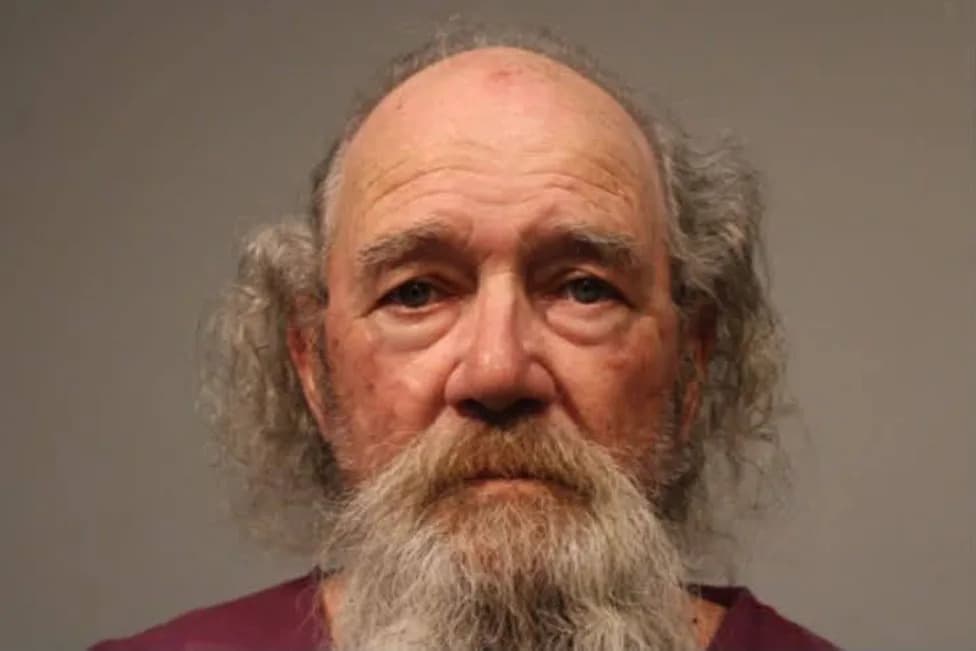
The 2005 double homicide of Leslie Mazzara and Adriane Insogna in Napa Valley left the community shaken. After interviewing about 1,300 people and collecting 218 DNA samples, investigators identified three cigarette butts at the scene as Camel Turkish Gold, a breakthrough lead. Suspicion centered on Eric Copple, who was arrested in September 2006 after reportedly admitting details to family members. Prosecutors cited jealousy and drunken rage as likely motives, while Copple described gaps in his memory of the attack.
Three Cigarette Butts Broke a Napa Valley Cold Case: The 2005 Double Murder

A brutal double homicide in Napa Valley haunted the community for nearly a year until three discarded cigarette butts provided the decisive forensic lead that led to an arrest.
In the early hours after Halloween 2005, an intruder climbed through an unlocked second-floor window of the home shared by Leslie Mazzara and Adriane Insogna and fatally stabbed both women. The killings shocked a town better known for wine country hospitality than violent crime; both victims were 26 and well regarded by friends and neighbors.
Mazzara had moved to Napa from South Carolina in 2004, worked at a winery and was remembered as outgoing and warm. Insogna was an athlete who played volleyball and softball and worked as a civil engineer for the local sanitation district. Their deaths left a community searching for answers.
Long investigation, small clue
Investigators pursued hundreds of leads — interviewing roughly 1,300 people and collecting about 218 DNA samples — but months passed without an arrest. One physical clue, however, pointed the probe in a specific direction: the killer had smoked three cigarettes and left the butts outside the house. Laboratory analysis and other investigative work identified the brand as Camel Turkish Gold.
Suspect and arrest
Soon suspicion focused on Eric Copple, the fiancé of Lily Prudhomme, a coworker and close friend of Insogna. Copple initially resisted cooperating with police. On Sept. 22, 2006, authorities publicly disclosed the cigarette brand found at the scene; days later, on Sept. 27, Copple was arrested. Reports say he confessed some details to relatives and left written notes that contributed to investigators locating him.
Prosecutors described the sequence of events that night: around 2 a.m. on Nov. 1, 2005, Copple allegedly entered the house through the open window and attacked Mazzara in her second-floor bedroom. Insogna rushed in after hearing screams and managed to scratch the attacker, leaving his blood at the scene, before she was overpowered. A third housemate escaped and called 911.
"The killings affected everyone — it was like a Halloween movie come true," a local resident recalled.
Authorities did not present a single definitive motive, but the district attorney suggested jealousy and alcohol played a role. Prosecutors said investigators believed Copple was angry over the time his fiancée spent with friends and that, in a drunken rage after being refused, he attacked the women. Copple later gave inconsistent accounts, saying he remembered leaving his house, taking a knife, smoking outside and entering through the window but claiming to have gaps in memory about the attack itself.
In a disturbing postscript, Copple later married Lily Prudhomme, the friend and coworker connected to the victims. Friends described Copple as outwardly normal in the aftermath, adding to the community's unease.
This case underscores how a small physical trace — three cigarette butts — can become the pivotal piece of evidence that breaks a cold and troubling case.
Help us improve.