Researchers at the University of Cambridge have built a lab-scale artificial photosynthesis system that uses sunlight, water and CO2 to produce hydrogen, oxygen and chemical feedstocks. The device reproduces the two main photosynthetic phases and reports improved efficiency in transferring captured energy. Major hurdles remain—material wear, catalyst lifetime and scaling costs—but successful advancement could widen access to clean power, create jobs and reduce pollution-related health harms, including the ~7 million premature deaths linked to air pollution each year.
Artificial Photosynthesis Breakthrough Could Deliver Continuous Clean Energy

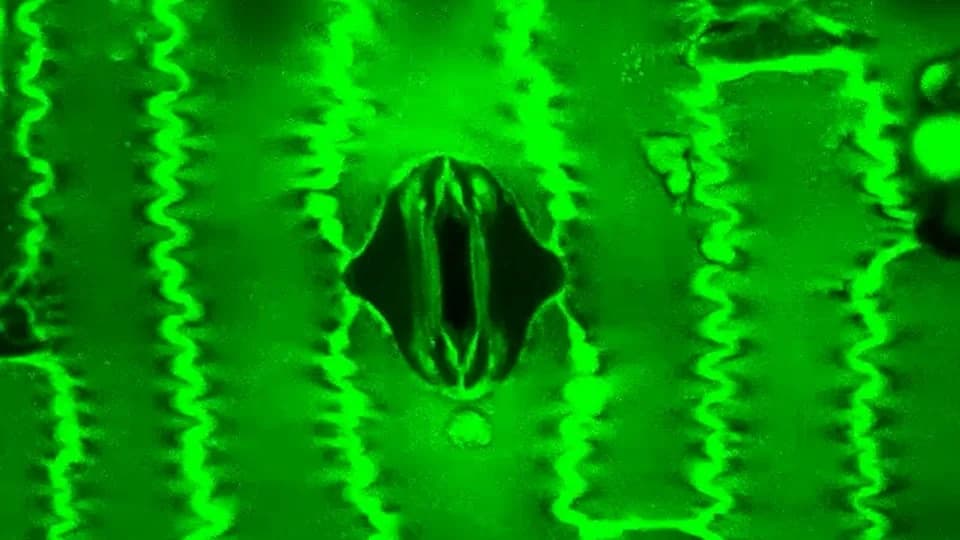
Researchers at the University of Cambridge have developed an experimental artificial photosynthesis system that replicates key steps of plant photosynthesis to produce usable energy from sunlight, water and carbon dioxide. The lab prototype captures light with specially designed semiconductor materials and uses synthetic catalysts to split water, producing hydrogen and oxygen. Those products can be stored as fuel or used to convert CO2 into valuable chemicals.
How the system works
The device mimics the two primary phases of natural photosynthesis: the light-driven reactions that split water into hydrogen and oxygen, and the subsequent chemical processes that store that energy in molecular bonds. The research team reports improved directional energy transfer within their materials—an important improvement because efficient, loss-minimizing transfer of excited energy is a long-standing challenge for synthetic systems.
Why this matters
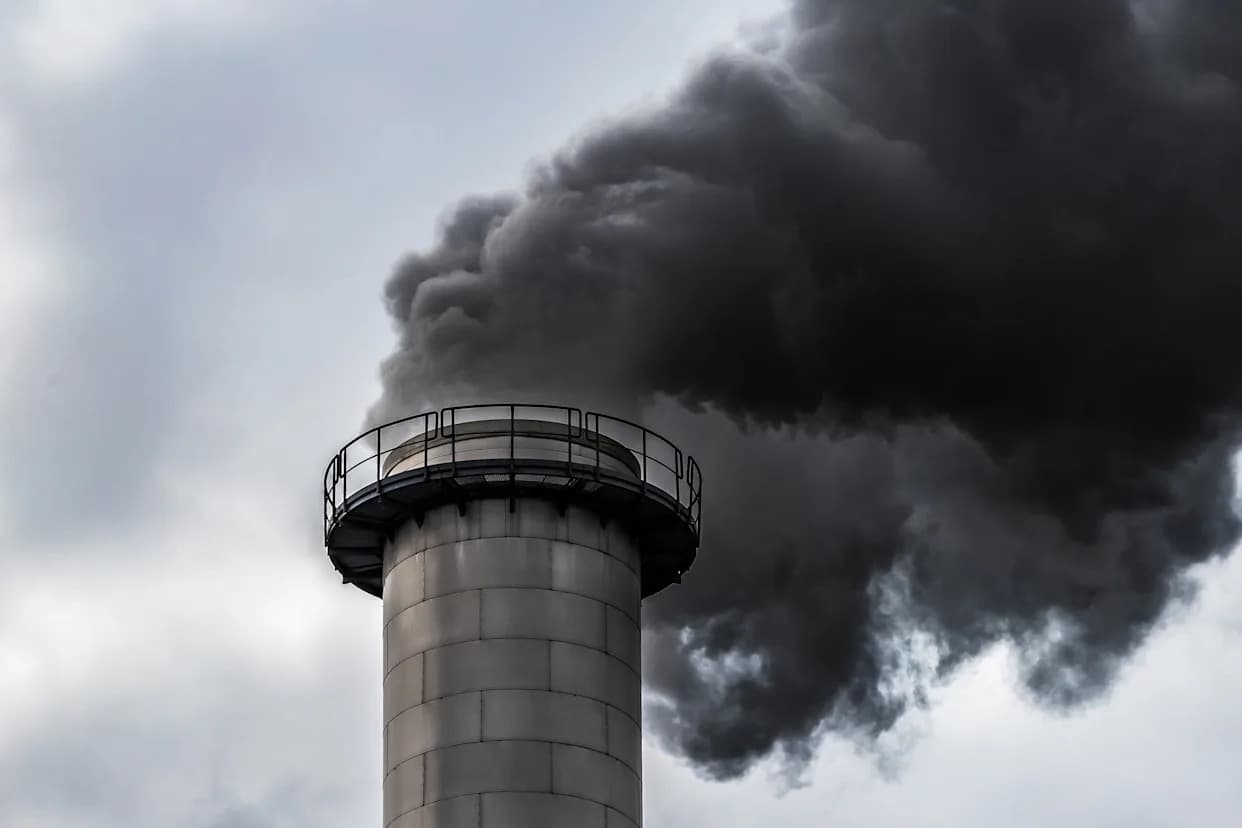
Because the approach draws on abundant, planet-friendly inputs (sunlight, water and atmospheric CO2), it is designed to run continuously with limited oversight and to integrate with existing grid and off-grid systems. If the technology can be scaled, it could expand access to clean power in remote areas, open new industrial pathways for chemical feedstocks, create jobs, and help reduce pollution-related health impacts. The World Health Organization estimates that air pollution is associated with about 7 million premature deaths each year, highlighting the public-health stakes of cleaner energy sources.
Challenges and next steps
The innovation is promising but remains at an early, laboratory stage. Key technical and economic hurdles identified by the team include material degradation, catalyst lifespan, and the cost and complexity of manufacturing at scale. Further work will focus on improving durability, lowering production costs, and testing scaled devices in real-world conditions before any commercial deployment.
In short, this artificial photosynthesis work represents a nature-inspired route to low-emission energy and chemical production. It is an important step forward, but practical, widespread impact will depend on solving engineering and economic challenges through continued research and development.
Help us improve.