Tutankhamun’s fame masks a dozen unresolved questions: the true cause of his early death, whether KV62 was a hurried repurposing, and evidence that early excavation practices damaged both objects and the mummy. Controversies also include alleged removal of items, colonial-era narratives that sidelined Egyptian workers, and modern conservation and diplomatic disputes. Ongoing research and the Grand Egyptian Museum promise further updates.
King Tut's Ten Controversies: Death, Tomb, and Modern Scandals

Tutankhamun — the boy pharaoh whose golden mask has become a global icon — remains at the center of heated debates more than a century after his tomb was opened. New scientific techniques, archival research, and changing cultural expectations have turned many long-held assumptions into fresh questions. This article examines ten controversies that continue to shape how scholars and the public understand Tutankhamun and his legacy.
1. How did the boy king die?
Determining the cause of death for a teenager who lived over 3,000 years ago is intrinsically difficult. Early X-rays detected a loose bone fragment in the skull, prompting sensational claims of murder. Later CT scans have shown that the fragment likely detached after burial, weakening the assassination theory. Modern researchers now weigh multiple medical explanations — including malaria, degenerative bone disease and a possible chariot accident — but no single cause can be confirmed with absolute certainty.
2. Evidence of poor health and mobility
Examinations of the mummy and grave goods point to significant health problems: DNA and medical studies suggest malaria and skeletal abnormalities that would have made walking painful. The unusually large number of walking canes found in KV62 supports descriptions of a physically frail ruler rather than a robust military leader.
3. Was KV62 intended for Tutankhamun?
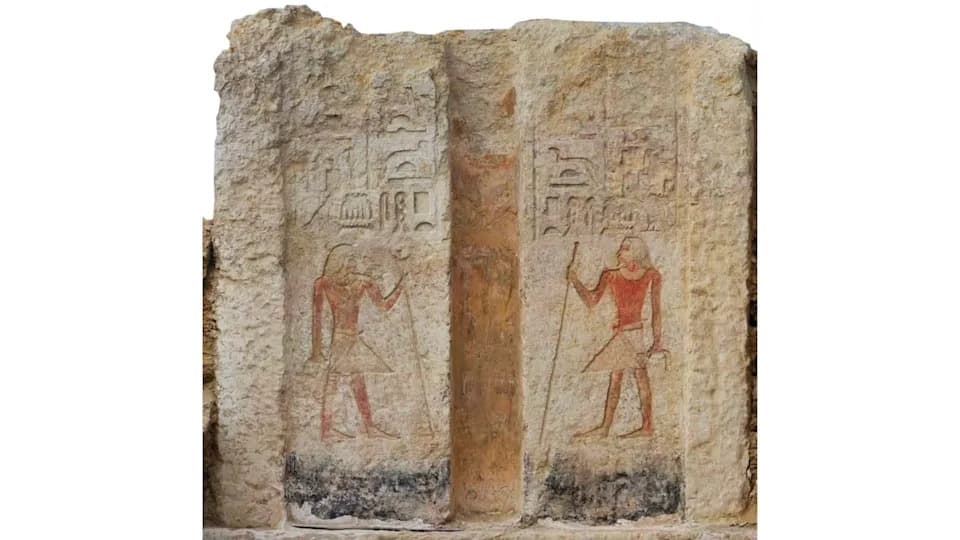
KV62 is small compared with other royal tombs of the 18th Dynasty. Its compact layout and makeshift fittings have led many Egyptologists to propose that the tomb was adapted at short notice — perhaps because of an unexpected death — and may originally have been prepared for a lesser noble or another member of the court.
4. Signs of haste in the burial
The burial chamber’s decoration shows technical flaws and microbial growth on painted surfaces, suggesting the tomb was sealed before some pigments fully dried. These details point to a hurried burial process that likely reflects a turbulent political transition.
5. The workforce and colonial-era narratives
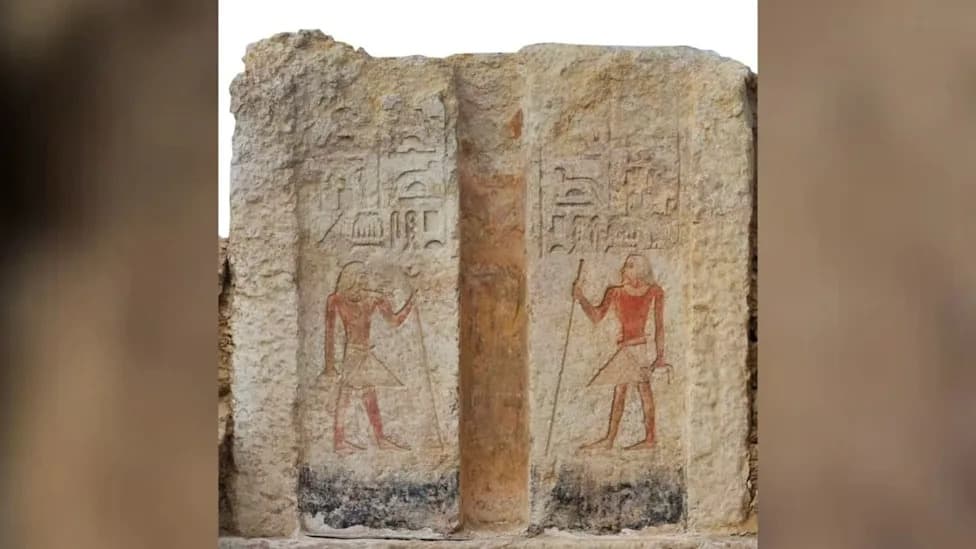
The popular image of a lone Western discoverer obscures the crucial role of local Egyptian workers. Photographs and oral histories document that many of the excavation laborers were Egyptians — including adolescents — and tradition credits a 12-year-old boy named Hussein with discovering the tomb entrance. Early publicity largely marginalized these contributors, reflecting colonial-era power dynamics in archaeology.
6. Allegations about the handling and removal of objects
Questions have long circulated about how some small items left the tomb and how the initial inventory was conducted. Identical objects later appearing in private collections and the appearance of certain pieces in the discoverer’s residence after his death fueled rumors and ethical concerns. These incidents remain a controversial part of the excavation’s legacy and prompted debates about archaeological best practice.
7. Damage to the mummy during early excavation
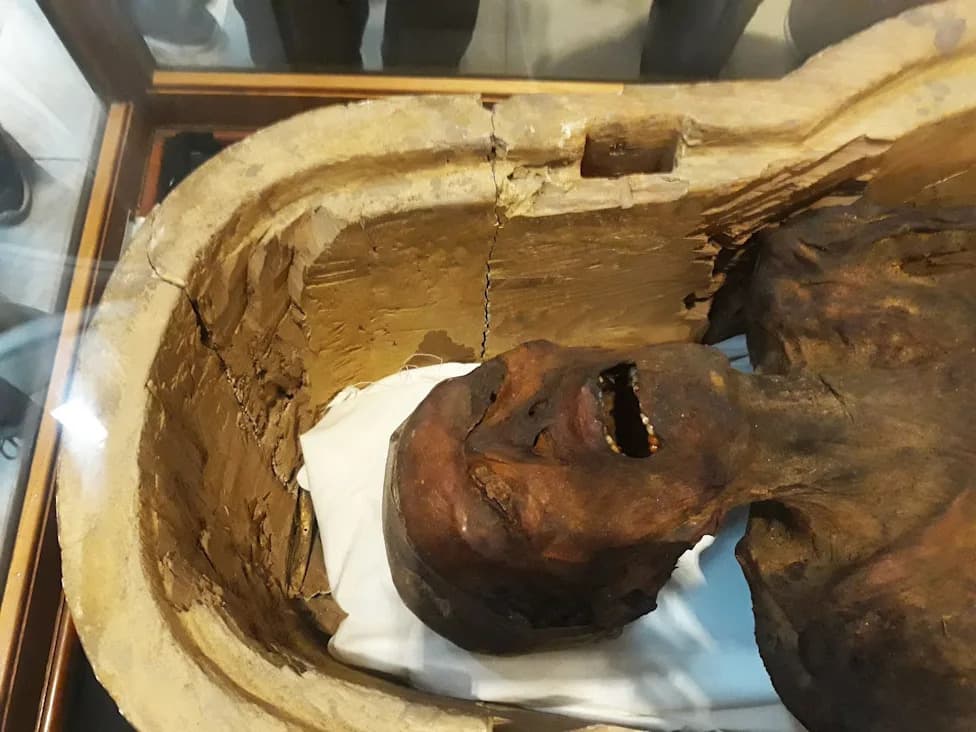
Early excavation methods sometimes caused significant harm. The embalming resin had hardened and adhered the mummy to the coffin, and contemporary accounts say excavators used heated tools, saws and other intrusive techniques to access jewelry and the funerary mask. These actions severed limbs and damaged the body in places, complicating later scientific study and conservation.
8. The mask beard mishap and conservation lessons
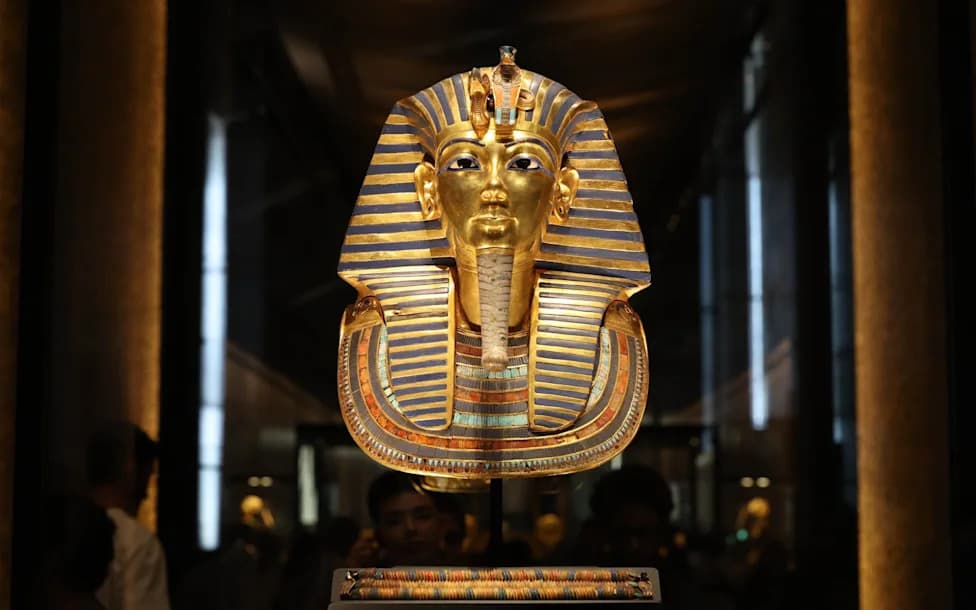
In 2014 the gold funerary mask drew international attention when its braided beard was accidentally snapped off during cleaning. Staff initially attempted an improvised repair using industrial adhesive, which left visible residue and caused surface scratches. Conservation specialists later corrected the repair and reattached the beard using traditional conservation materials. The episode highlighted the importance of professional conservation protocols for irreplaceable artifacts.
9. Modern exhibitions and cultural diplomacy
Exhibitions of Tutankhamun’s treasures have carried enormous cultural and political weight. International tours — most famously in the 1970s — were used as tools of diplomacy and public engagement. More recent planned tours faced legal and conservation scrutiny over transporting fragile objects; the COVID-19 pandemic also truncated exhibition schedules, accelerating returns to Egypt and interrupting anticipated revenue and public access.
10. Family, DNA and the mysteries of the Amarna period
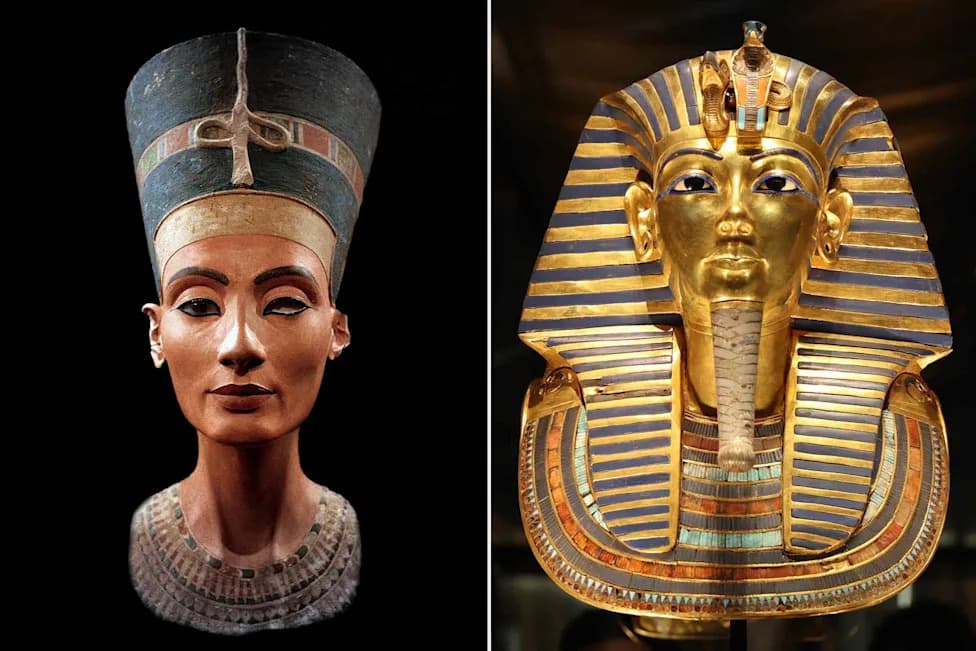
Genetic studies have clarified some relationships — for example, Akhenaten is widely accepted as Tutankhamun’s father — but the identity of his mother remains debated. A mummy identified in genetic testing as his mother is commonly called the “Younger Lady,” but whether she is Nefertiti, a minor wife like Kiya, or another royal relative is unresolved. High levels of intermarriage among the royal family complicate genetic interpretation and our understanding of inherited health issues.
Why these controversies matter: Together, they show that the story of Tutankhamun is shaped not only by ancient events but also by how later generations excavated, studied, displayed and politicized his remains and belongings. As the Grand Egyptian Museum becomes the long-term home for many of these artifacts, new conservation work and scholarship will likely prompt fresh revisions to the narrative.
Where to learn more: Look for peer-reviewed studies, museum conservation reports, and publications by Egyptologists for up-to-date findings. Exhibitions at reputable museums and the Grand Egyptian Museum in Cairo will continue to be important places to see the objects and trace how interpretations evolve.
Help us improve.