A major news organization returned to court to defend press access and the public's right to be informed after reporters were barred from presidential events over wording describing a body of water. Recent actions by the White House and new Pentagon press policies have heightened concerns that government officials could restrict coverage based on editorial choices. The organization argues that such limits would weaken the First Amendment and deprive the public of a full, independent view of leadership. It says defending press freedom is defending the public's right to know.
Why a Major News Organization Is Fighting to Protect Your Right to Free Speech
The news organization returned to federal court to defend not just its own access but a broader public interest: the right of citizens and the press to ask questions, report facts and remain informed without being excluded by the government for editorial choices.
This principle should be uncontroversial, yet it is increasingly under pressure. Nine months ago, reporters from the organization were barred from covering presidential events because of the wording they used to describe a body of water. The organization challenged that decision in court, arguing the ruling could have implications far beyond its newsroom — affecting other media outlets and any American who relies on independent reporting.
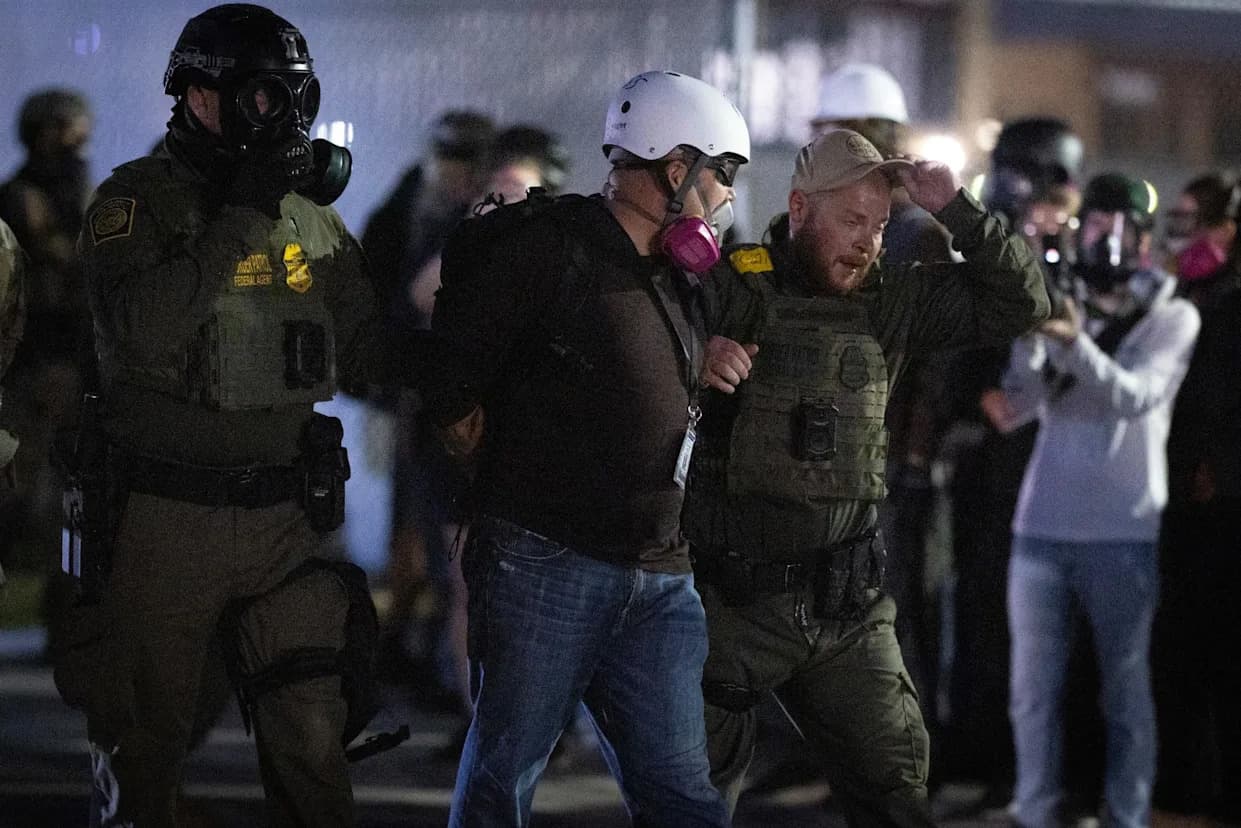
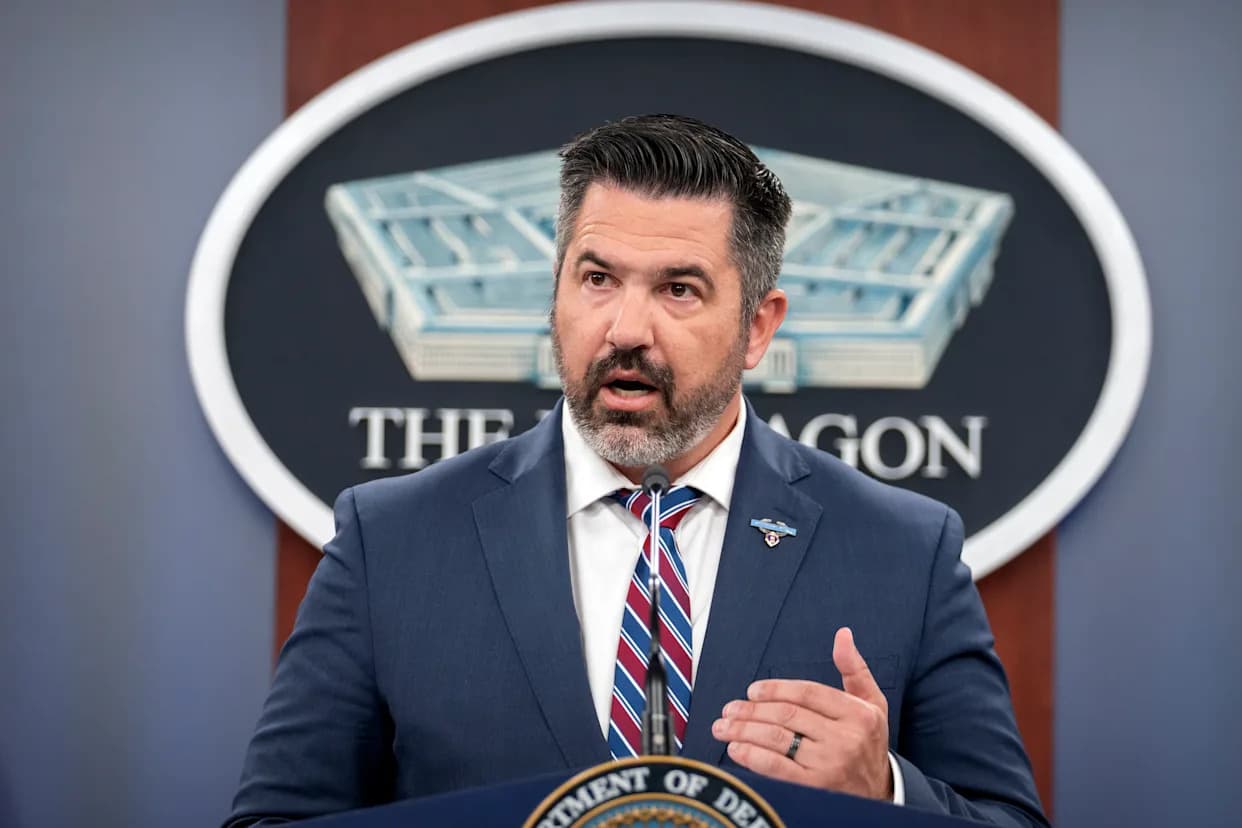
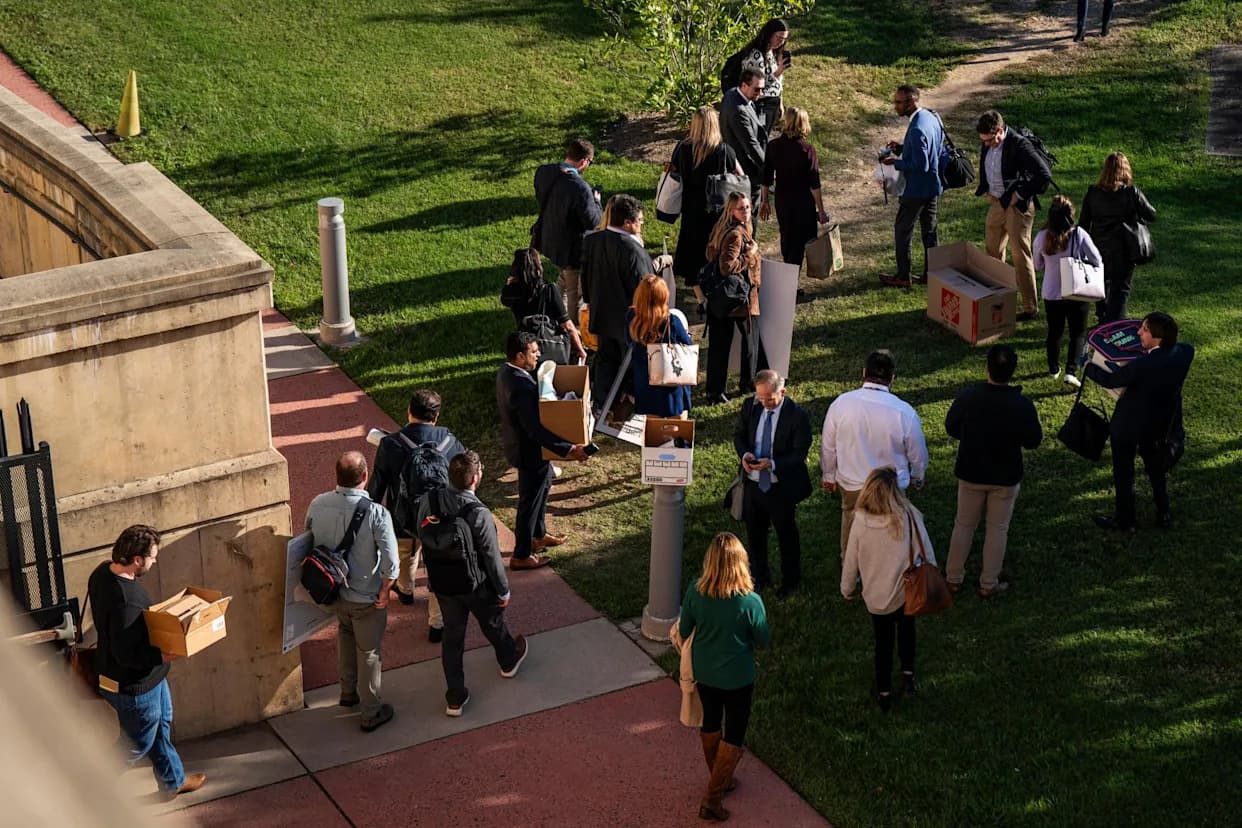
Those wider consequences are becoming clearer. In recent months, the White House has taken legal steps affecting other outlets; the Pentagon has introduced a press policy many reporters say conflicts with standard journalistic practice; and journalists from various organizations have been restricted from covering the presidency over their reporting or the language they used.
All of this underscores the vital role of a free press in a democracy and why it matters to be explicit about what is at stake when those freedoms are curtailed.
When we defend press freedom, we are defending your freedom. Reporters ask tough questions, photographers capture images and video journalists record events so the public can learn about matters they cannot personally observe or investigate.
If government officials are permitted to decide which journalists may cover the presidency and to impose rules limiting what those journalists can say or write, the First Amendment is weakened. A president of any party who excludes reporters based on personal or political preference — or ejects them for their wording — prevents the public from receiving a full, unfiltered account of what is happening in the highest office.
The result is a narrowed view of leadership rather than the rigorous, independent scrutiny the public deserves. Independent, accurate journalism is fundamental to a healthy civil society. Journalists perform that work daily: witnessing events, asking hard questions and documenting history for the public. They strive for precision, acknowledge mistakes and correct them. They do not advocate for political outcomes; their purpose is to report facts so readers can decide.
When core freedoms are imperiled, it falls to independent, not-for-profit news organizations with no owners or shareholders to stand up — on behalf of everyone. Protecting a newsroom's access and voice protects the public's right to know.
Julie Pace is the executive editor.
Help us improve.