The UK MoD reports DragonFire, a high‑power laser system, shot down drones travelling up to 403 mph during trials and struck a £1 coin from 1 km. A $413m (£316m) contract with MBDA UK will fund installation on a Type 45 destroyer from 2027, five years ahead of schedule. Developed with QinetiQ and Leonardo, DragonFire is pitched as a low‑cost hard‑kill complement to missiles, though its peak power and maximum engagement range remain undisclosed. The 2027 ship integration will test performance under real maritime conditions and could lead to further fits if successful.
DragonFire Laser Downs Drones at 403 mph — UK Navy to Fit System on Destroyers from 2027

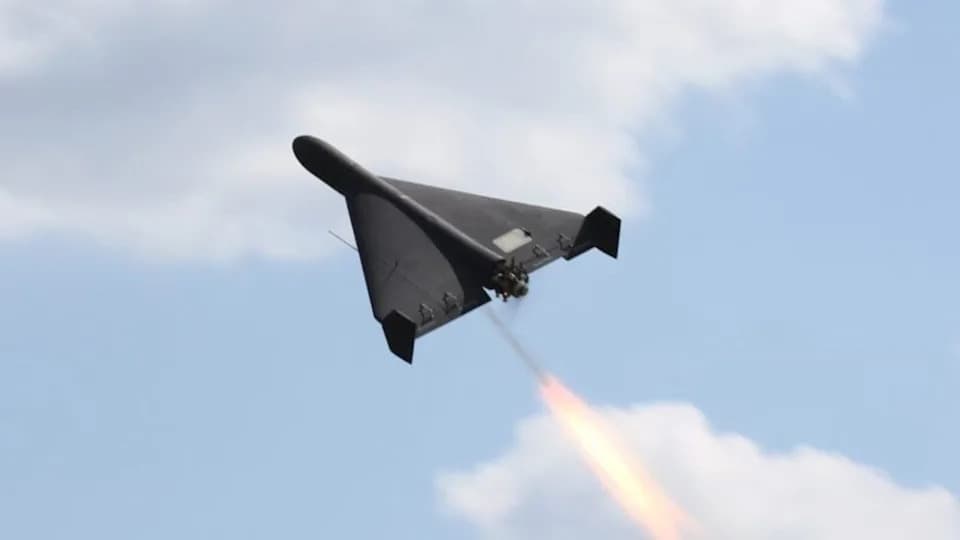
The UK Ministry of Defence (MoD) says its high‑power laser system, DragonFire, successfully shot down unmanned aerial vehicles travelling at speeds up to 403 mph (650 km/h) during recent trials at the Hebrides range in Scotland. The MoD has signed a $413 million (£316 million) contract with MBDA UK to begin installing the system on Royal Navy Type 45 destroyers from 2027, accelerating the original schedule by five years.
Officials say the trials achieved a UK first for above‑the‑horizon tracking and interception of high‑speed drones. DragonFire is reported to be inexpensive to operate — around £10 (roughly $13) per engagement — and demonstrated precision in testing, striking a £1 coin from a distance of one kilometre (about 0.62 miles).
Developed by MBDA in partnership with QinetiQ and Leonardo, the programme is linked to the UK Strategic Defence Review and is expected to support nearly 600 skilled roles across England and Scotland. The procurement appears to cover multiple ship fits, although only the initial Type 45 integration in 2027 has been confirmed so far.
"This high‑power laser will see our Royal Navy at the leading edge of innovation in NATO, delivering a cutting‑edge capability to help defend the UK and our allies in this new era of threat," said Luke Pollard MP, Minister of Defence Readiness and Industry.
MoD officials describe DragonFire as a hard‑kill, cost‑effective complement to conventional anti‑air missiles, which typically cost hundreds of thousands of pounds per engagement. The weapon relies on sustained power delivery, precise target tracking and line‑of‑sight engagement, and can be affected by atmospheric conditions such as rain, fog or sea spray. The MoD has not disclosed the laser’s peak output or a definitive maximum engagement range during the test phase.
The UK has previously trialled other directed‑energy concepts, including a vehicle‑mounted radio‑frequency system aimed at disrupting drone swarms and a ground‑based high‑energy laser demonstrator called Wolfhound, which reportedly achieved a 100% success rate in field trials last year. DragonFire’s shipboard role targets higher‑speed aerial threats where those prior systems’ mobility or wide‑area effects are less suitable.
What to expect next
The first at‑sea integration in 2027 will evaluate DragonFire’s performance under real maritime conditions — accounting for vessel motion, shipboard power draw and weather effects. If at‑sea trials validate the system’s reliability and logistics, the Royal Navy could proceed with additional ship installations in subsequent years.
While the trial results are promising, independent validation of range, output power and operational resilience in adverse weather will be important to determine how broadly the system can be deployed and whether it can consistently replace or supplement missile intercepts in naval defence roles.
Help us improve.