Organized crime in Mexico has intensified into a direct threat to U.S. companies, their cargo and employees, with central Mexico identified as a major hotspot. High-value hijackings and driver kidnappings in 2025 — including thefts of avocados and lithium batteries — highlight the mounting risk. Companies can reduce exposure by using GPS tracking, vetted local logistics providers, comprehensive insurance and clear anti‑extortion policies. They should also lobby for stronger U.S.–Mexico law‑enforcement cooperation to dismantle organized‑crime networks.
Mexico’s Organized Crime Is Escalating — U.S. Companies and Supply Chains at Risk

Organized crime in Mexico has intensified into a direct and growing threat to U.S. firms, their cargo and employees. After more than 15 years in cross-border logistics, I believe the security environment for companies operating in Mexico is now more complex and hazardous than at any time in recent memory.
I regularly speak with executives who describe drivers and staff leaving their jobs out of fear. One manager recounted a driver who was abducted and threatened during a hijacking; the driver resigned because he feared being targeted again. That case is far from isolated.
Frequent, high-value hijackings
Mexico’s logistics sector is suffering a critical shortage of drivers, in part because of safety concerns. Violent cargo hijackings occur at alarming rates — industry tracking estimates average daily thefts measured in the dozens. Major multinational companies, including Apple, General Motors, Pepsi, Wal‑Mart and Amazon, have been victims of such attacks. Data from cargo-security trackers identify central Mexico, particularly areas around Mexico City, as a major hotspot for violent hijacking.
Recent incidents
Several incidents in 2025 underline the risk to high-value shipments and drivers:
- Jan. 23, 2025 — Michoacán police recovered a stolen cargo truck containing eight tons of avocados.
- Aug. 9, 2025 — State police in Estado de México recovered a stolen transport of lithium batteries valued at more than $1.1 million.
- Aug. 13, 2025 — Armed criminals hijacked a truck in Cuernavaca (Morelos) and briefly kidnapped the driver.
Organized-crime pressure and legal risks
Executives report pressure from local criminal groups to make cash payments for "protection" against hijacking and other predatory crimes. Regions such as Puebla, Toluca and Morelos — despite attracting foreign manufacturing investment — have a documented presence of violent organized-crime groups.
Companies face a serious conundrum: paying criminal groups to avoid immediate harm can create long-term legal and reputational exposure. Payments to criminal organizations can trigger investigations under U.S. anti‑corruption laws (such as the Foreign Corrupt Practices Act) or other enforcement actions if those groups are designated by U.S. authorities for severe sanctions. Firms must weigh immediate operational safety against potential future liability.
Practical steps companies can take
Foreign executives operating in Mexico can reduce risk through a combination of technology, vetted partnerships and insurance. Recommended actions include:
- Install GPS tracking and real‑time telematics on trucks, trailers and high‑value cargo.
- Use vetted local logistics providers and background‑check third‑party partners; work with reputable regional firms experienced in secure transportation.
- Purchase comprehensive door‑to‑door cargo insurance that covers theft and robbery from pickup to final delivery.
- Adopt strict anti‑extortion policies and incident-response plans, including protocols for driver safety, emergency communications and law‑enforcement coordination.
Policy and diplomatic action
Operational fixes alone are not enough. U.S. companies should press their industry associations and elected representatives to make logistics security a priority in bilateral talks. Closer cooperation between U.S. and Mexican law‑enforcement and intelligence agencies can improve reconnaissance, investigations and dismantling of organized‑crime networks. For example, there have been joint requests and limited cross‑border assistance — including reported reconnaissance flights — that reflect growing operational collaboration.
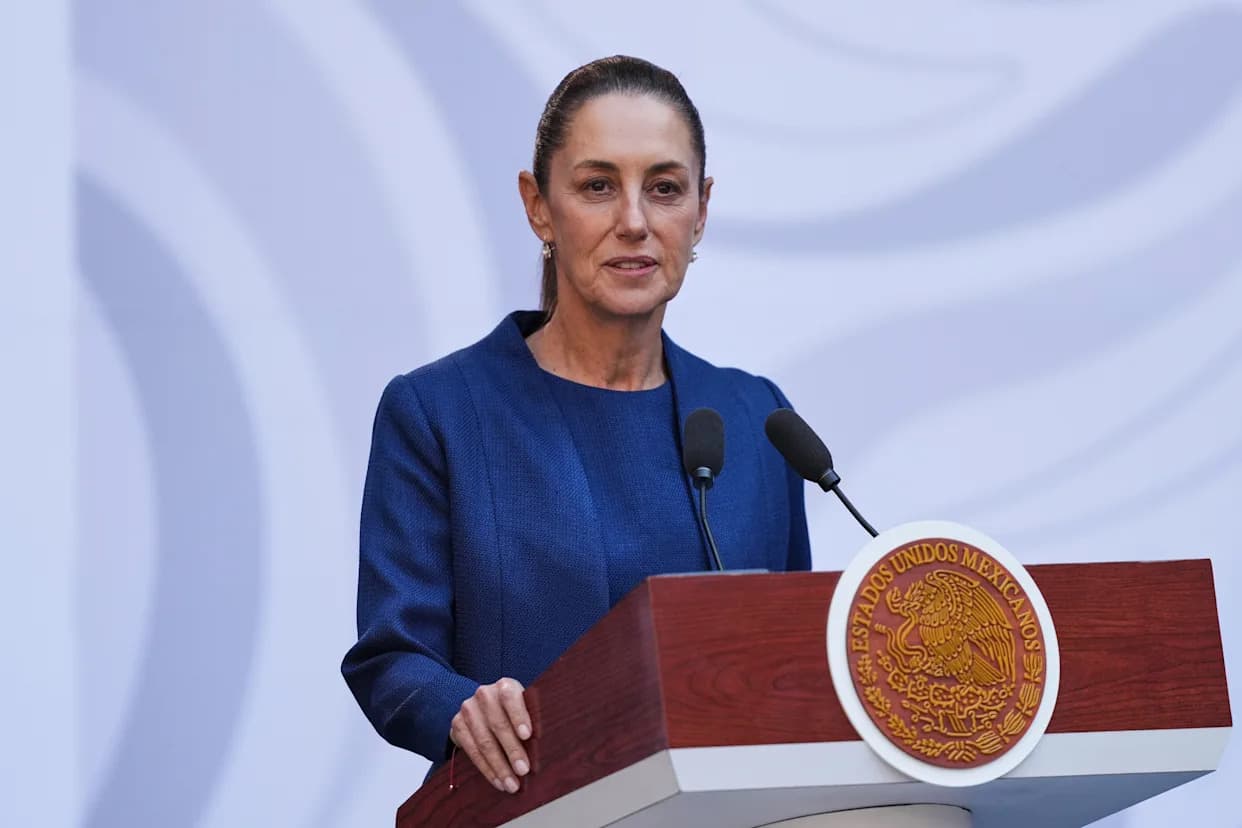
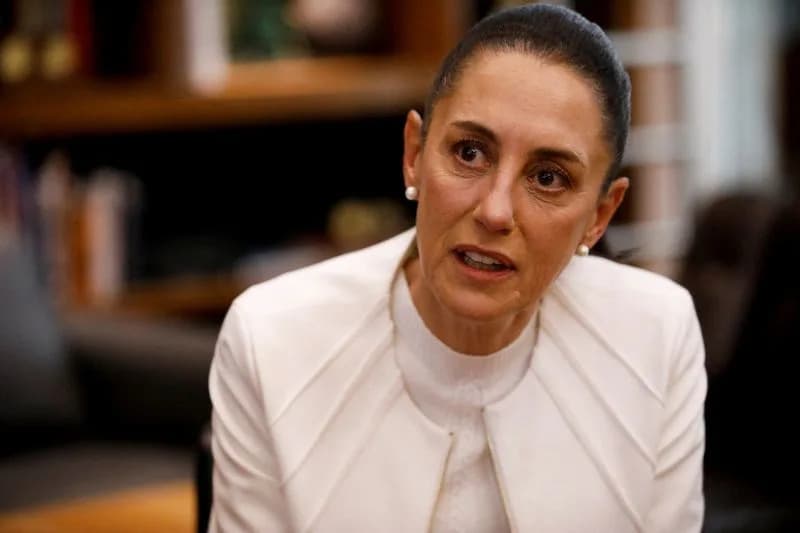
Mexican authorities under President Claudia Sheinbaum have an important role to play in strengthening security on major freight corridors. Executives should voice clear, practical concerns about roadway and supply‑chain security and seek cooperative solutions that protect workers, cargo and commercial investment.
Facing a heightened level of risk from organized crime, U.S. companies must develop robust, comprehensive plans to operate safely in Mexico. That means combining tactical protections with strategic engagement — from the yard to the halls of government.
Mark Vickers is executive vice president and head of international logistics at Reliance Partners. This piece reflects industry experience and incident data drawn from public tracking and company reports.
Help us improve.