Florida Republicans, including Sen. Ashley Moody and Gov. Ron DeSantis' office, have criticized a proposal to open the eastern Gulf of Mexico to new offshore oil leases. The plan reverses prior restrictions that shielded Florida's coast through 2032, raising concerns about threats to tourism, the environment and military training. Industry points to a BOEM estimate of 7.04 billion barrels of oil equivalent as justification, while opponents cite lingering damage from the 2010 Deepwater Horizon spill and broad public opposition.
Florida Republicans Break With Trump Over Plan to Open Eastern Gulf to Offshore Drilling

Florida Republican leaders have publicly criticized the Trump administration's proposal to expand offshore oil drilling into the eastern Gulf of Mexico, signaling an unusual split between state GOP officials and the former president.
State Republican reaction
Sen. Ashley Moody (R-Fla.) warned on X that newly released maps from Interior Secretary Burgum and the Department of the Interior are 'HIGHLY concerning' and said her office will engage directly with the department over the proposals.
'Preserving our state's natural beauty is deeply important to the millions who call the Sunshine State home, our visitors, and those whose livelihoods depend on tourism,' Moody said.
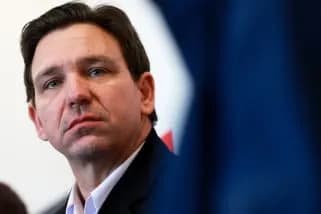
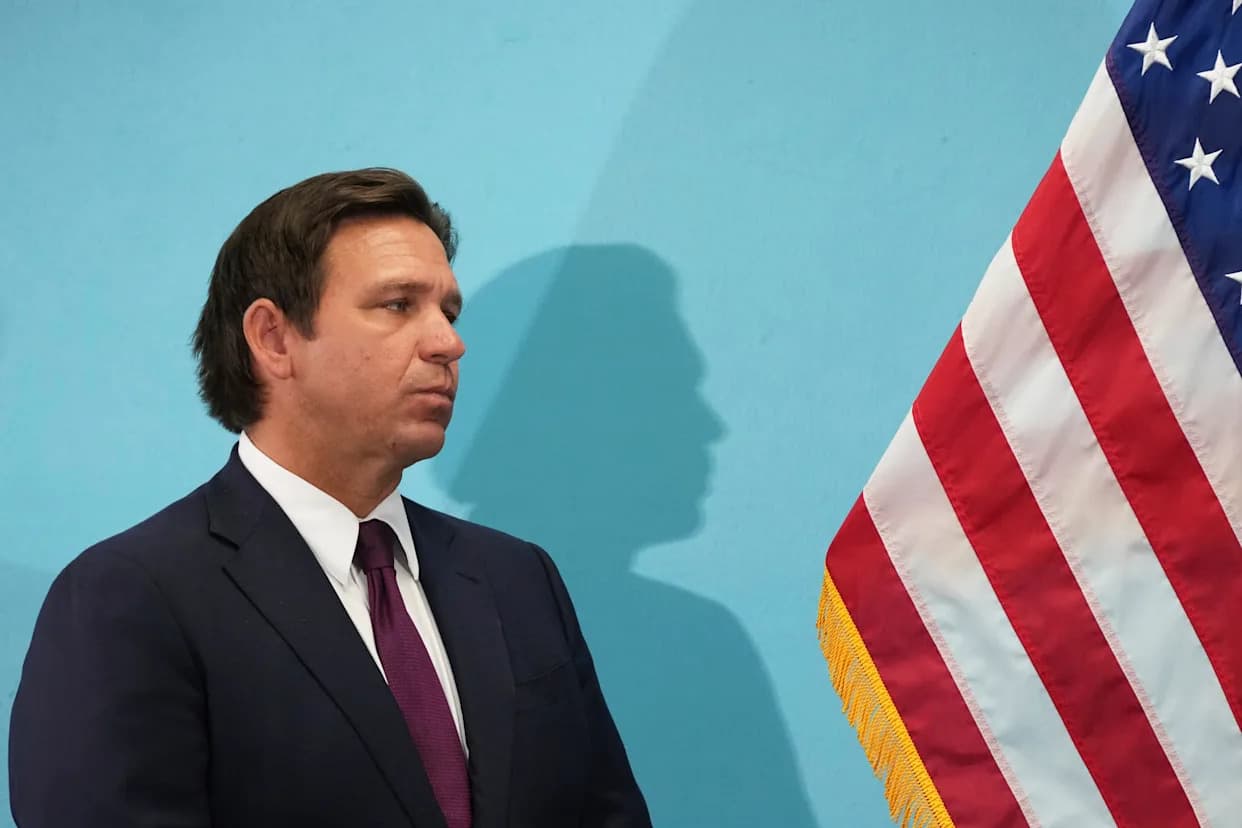
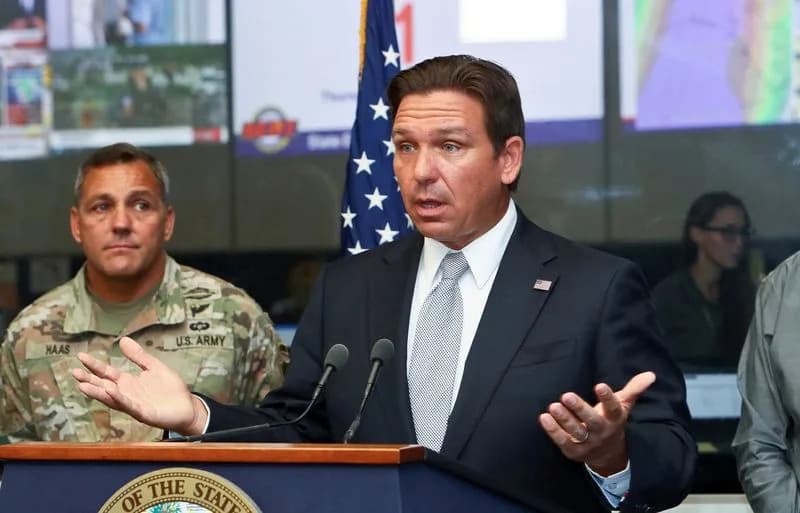
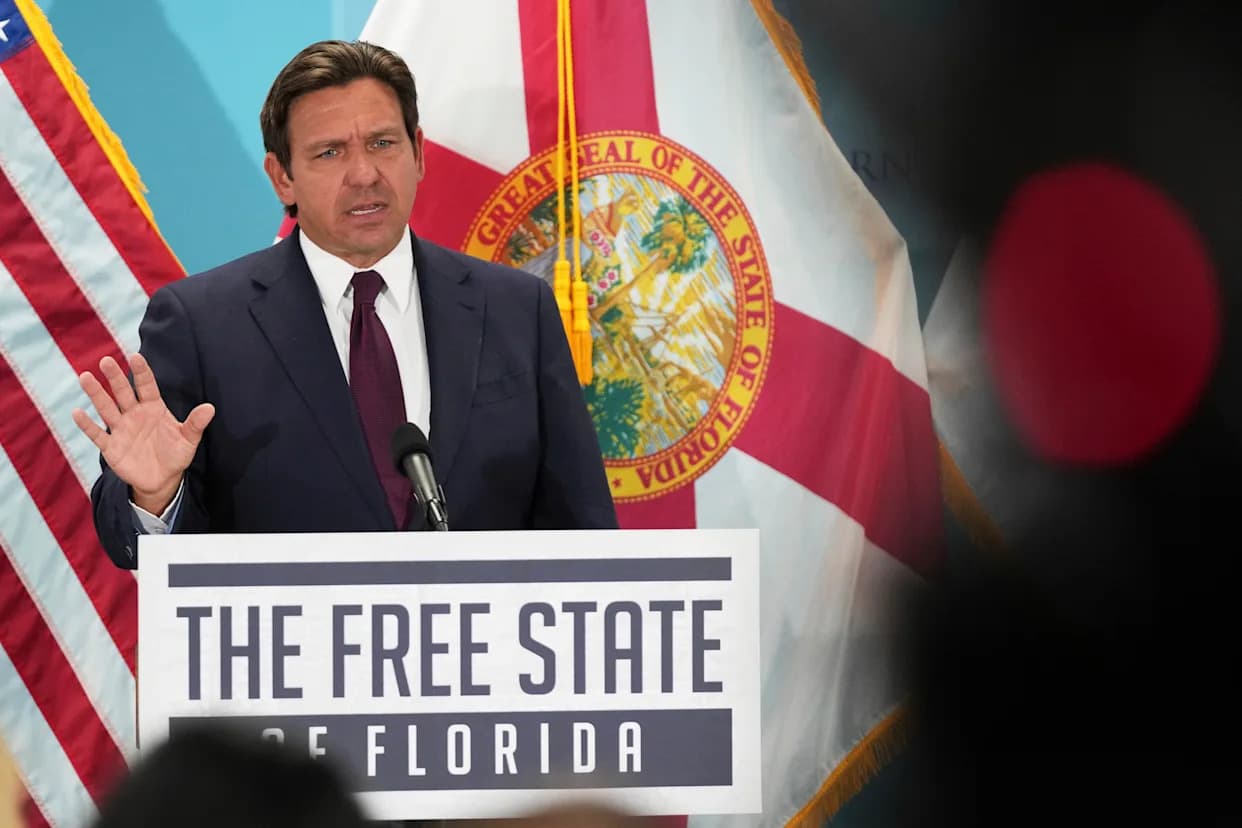
The office of Gov. Ron DeSantis (R) also criticized the move, noting that a 2020 presidential memorandum blocked drilling off Florida’s coasts and urging the Interior Department to adhere to that policy. A DeSantis spokesperson said the administration supports the 2020 memorandum and has asked the department to reconsider plans that would put Florida waters at risk.
Sen. Rick Scott (R-Fla.) similarly urged that Florida's coasts remain off-limits, citing the importance of beaches to the state's economy, environment and military training areas. Scott said he has spoken with Interior Secretary Burgum and made clear his expectation that any plan should protect Florida’s shores.
What's changing — and why it matters
The administration's proposal would expand U.S. offshore leasing, including new areas in the eastern Gulf and along parts of California’s coast. The move reverses earlier guidance: during his first term, President Trump supported restrictions that effectively barred drilling off Florida through 2032.
Industry advocates argue the expansion is needed to maintain long-term energy supply and regional competitiveness. Erik Milito, president of the National Ocean Industries Association, cited the Bureau of Ocean Energy Management's updated reserve estimate of 7.04 billion barrels of oil equivalent and said evaluating nearby areas in the 'Gulf of America Program Area B' helps sustain the basin's productive life and attract investment.
Public opposition and historical context
Offshore drilling remains deeply unpopular in Florida, where beach tourism is a major economic driver. In 2018 roughly 69% of Florida voters supported a statewide ban on offshore drilling. Opposition intensified after the 2010 Deepwater Horizon disaster, which released large volumes of oil into the Gulf and led to widespread coastal damage; a 2017 study estimated about 4.15 million Florida-bound trips were canceled because of that spill.
Security and local concerns
Gov. DeSantis and several Republican members of Congress also raised military concerns. They said some proposed lease blocks fall within or near the Eastern Gulf Test and Training Range (EGTTR), which could affect operations at Eglin Air Force Base, Hurlburt Field, Tyndall Air Force Base and Naval Air Station Pensacola. A coalition of Florida lawmakers — including Reps. Jimmy Patronis, Neal Dunn, Scott Franklin, Daniel Webster, Byron Donalds, Mike Haridopolos, Laurel Lee and Vern Buchanan — wrote to the Interior Department expressing those concerns.
Democratic response
Democratic leaders in Florida criticized the plan as well. Rep. Kathy Castor (D-Fla.) said drilling off Florida’s coast is too risky and accused the president of siding with oil industry interests at the expense of Floridians' environmental and economic welfare.
Interior officials are expected to receive comments and engage with stakeholders as the leasing plan proceeds through public review and agency processes. For now, the proposal has produced an uncommon alignment of opposition across party lines in Florida, centered on protecting tourism, the environment and military readiness.
Help us improve.