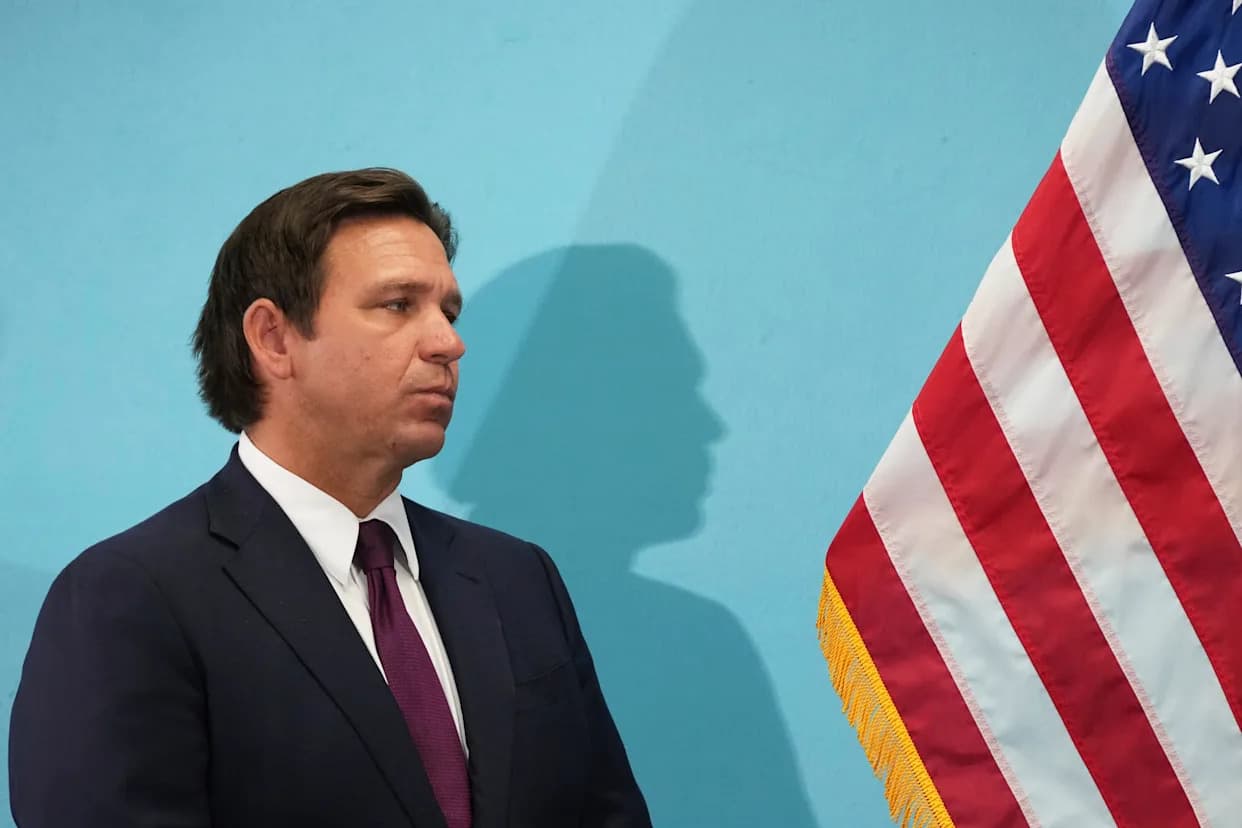
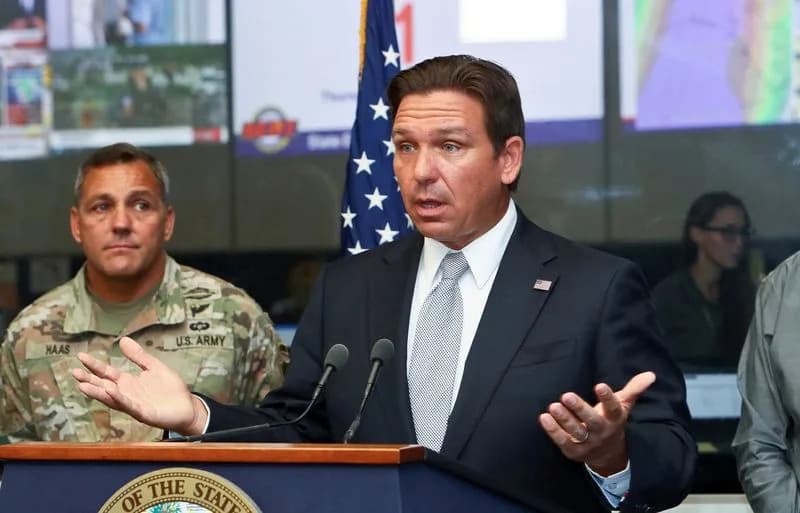
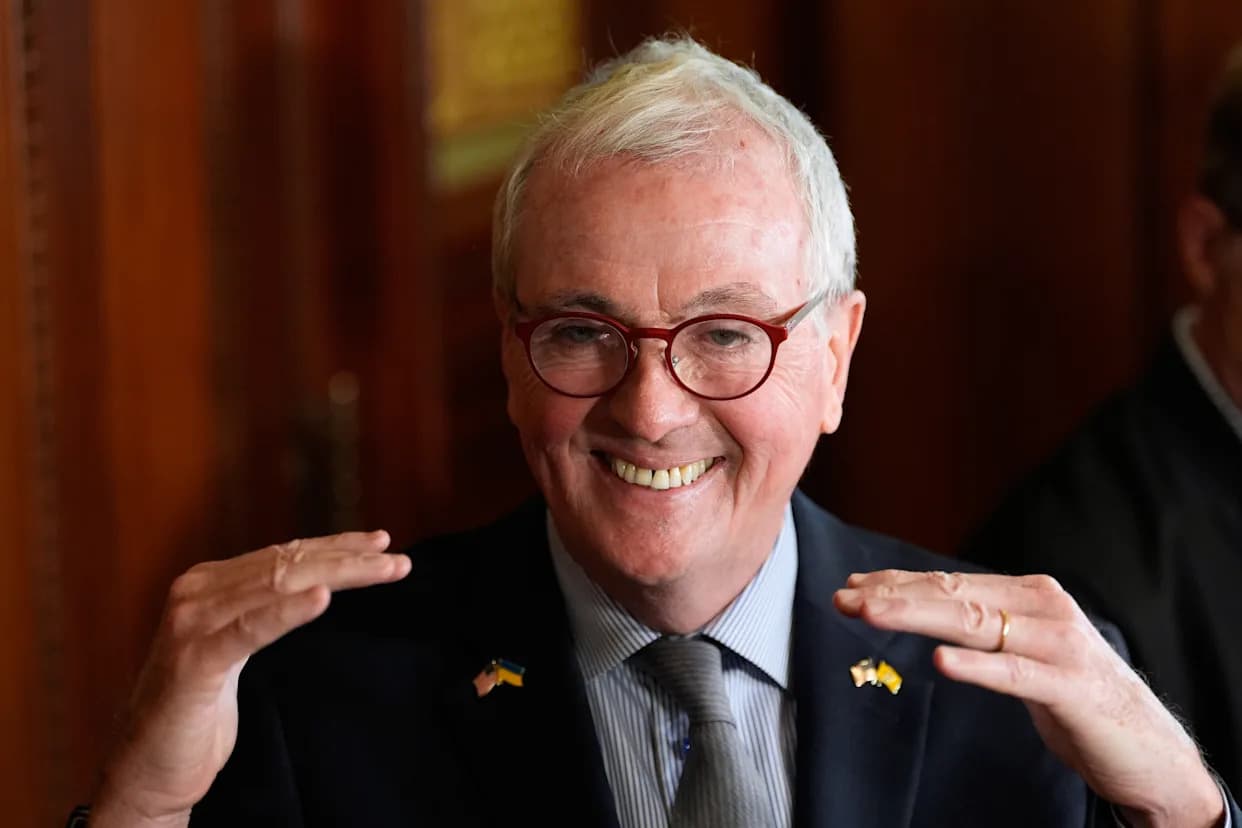
Gov. Ron DeSantis used his final State of the State address to highlight what he called seven years of results and to urge lawmakers to advance a property-tax overhaul and regulation of artificial intelligence. The roughly 30-minute speech recalled themes from his governorship and presidential campaign while underscoring contentious policies on vouchers, immigration and social issues. Tensions with House Republicans were apparent, and Democrats criticized his focus on culture-war fights amid concerns about affordability for Florida residents.
DeSantis Uses Final State of the State to Tout Results, Push Property-Tax Overhaul and AI Rules Amid Capitol Tension
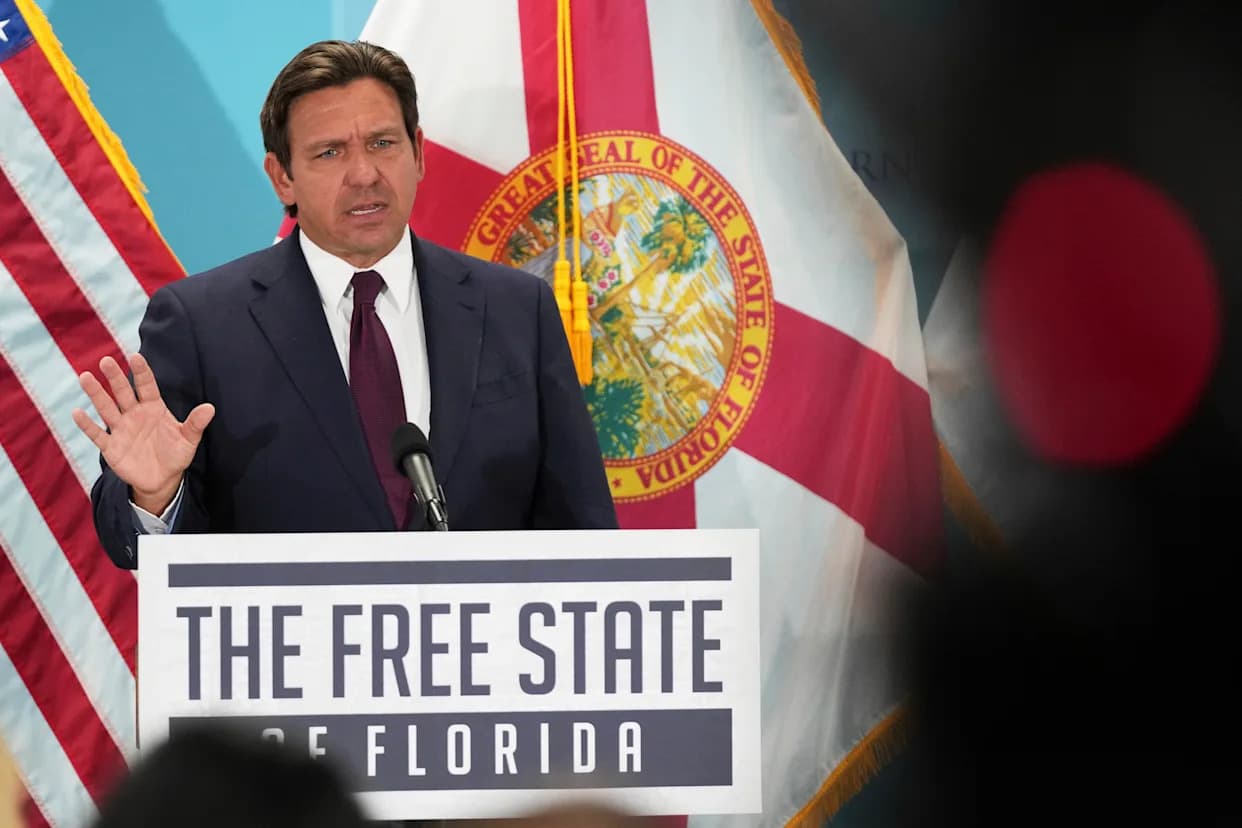
TALLAHASSEE, Florida — Gov. Ron DeSantis, entering his final year in office and term-limited from seeking re-election, delivered a roughly 30-minute farewell “State of the State” address Tuesday that reviewed his seven-year record and urged lawmakers to act on a property-tax overhaul and regulation of artificial intelligence.
Combative and ambitious, DeSantis returned to themes familiar from his gubernatorial tenure and 2024 presidential campaign, highlighting a legislative agenda that included measures on gender identity, race, immigration, expansion of private school vouchers, and efforts to cut taxes and reduce state debt.
“We recognize that while words can be meaningful, it is deeds that are ultimately the most powerful,” DeSantis told lawmakers. “Results are what matter the most and we, more than any other state, have delivered those big results.”
The speech opened the scheduled 60-day session of the Florida Legislature amid ongoing friction between the governor and House Republicans. Lawmakers still face unresolved issues including congressional redistricting and a potential overhaul of the state’s property-tax system. Last year’s session required overtime to resolve disputes over spending and taxes.
State House Speaker Daniel Perez, in his opening-day remarks, acknowledged the uncertainty ahead: “Honestly, I don’t know what’s going to happen this session. And that’s OK. Because the journey is the best part of the story.” Perez sat beside DeSantis during the address; lawmakers noted that the two did not shake hands or otherwise interact afterward.
DeSantis, first elected in 2018 and re-elected by nearly 20 points, rose to national prominence in part for his pandemic-era approach. He ran for president in 2024 and finished second to former President Donald Trump in the Iowa contest.
In his remarks, DeSantis contrasted Florida’s policy choices with those of several Democratic-led cities and states — naming Chicago and San Francisco — and took aim at New York City’s recently elected mayor Zohran Mamdani. “Even as we cheer the removal of a Marxist dictator in Venezuela, we saw the election of a Marxist mayor in our nation’s largest city,” he said. “Yet here in Florida, there is cause for optimism. We are showing it can be done.”
On priorities for the session, DeSantis urged lawmakers to deliver a property-tax overhaul — though he has not released a detailed plan to send to voters — and pressed for legislation addressing artificial intelligence, warning it could “upend key parts of the economy” if left unregulated.
He did not address redistricting in his speech but said he stands ready to sign bills on immigration enforcement and to lower the minimum age to purchase a rifle from 21 to 18. Florida raised the purchase age after the 2018 Parkland shooting that left 17 people dead. DeSantis also pledged support for a “rural renaissance” package championed by state Senate President Ben Albritton.
“My message is simple: get the bills to my desk,” the governor said. “In the spirit of 1776, I’m happy to put my John Hancock on those pieces of legislation.”
Democrats, who remain in a superminority in the Legislature, criticized DeSantis’s priorities. State Democratic Leader Lori Berman said he was “out of touch with reality” and had failed to meaningfully address Florida’s affordability crisis. House Democratic Leader Fentrice Driskell argued that DeSantis’s focus on culture-war issues and headline-grabbing fights has left many residents struggling with rising costs.
Republican state Rep. Juan Carlos Porras of Miami noted the partisan divide in the chamber: “It’s his last speech as governor, and I don’t think he’ll be missed by some of my colleagues.”
Kimberly Leonard contributed to this report.
Help us improve.