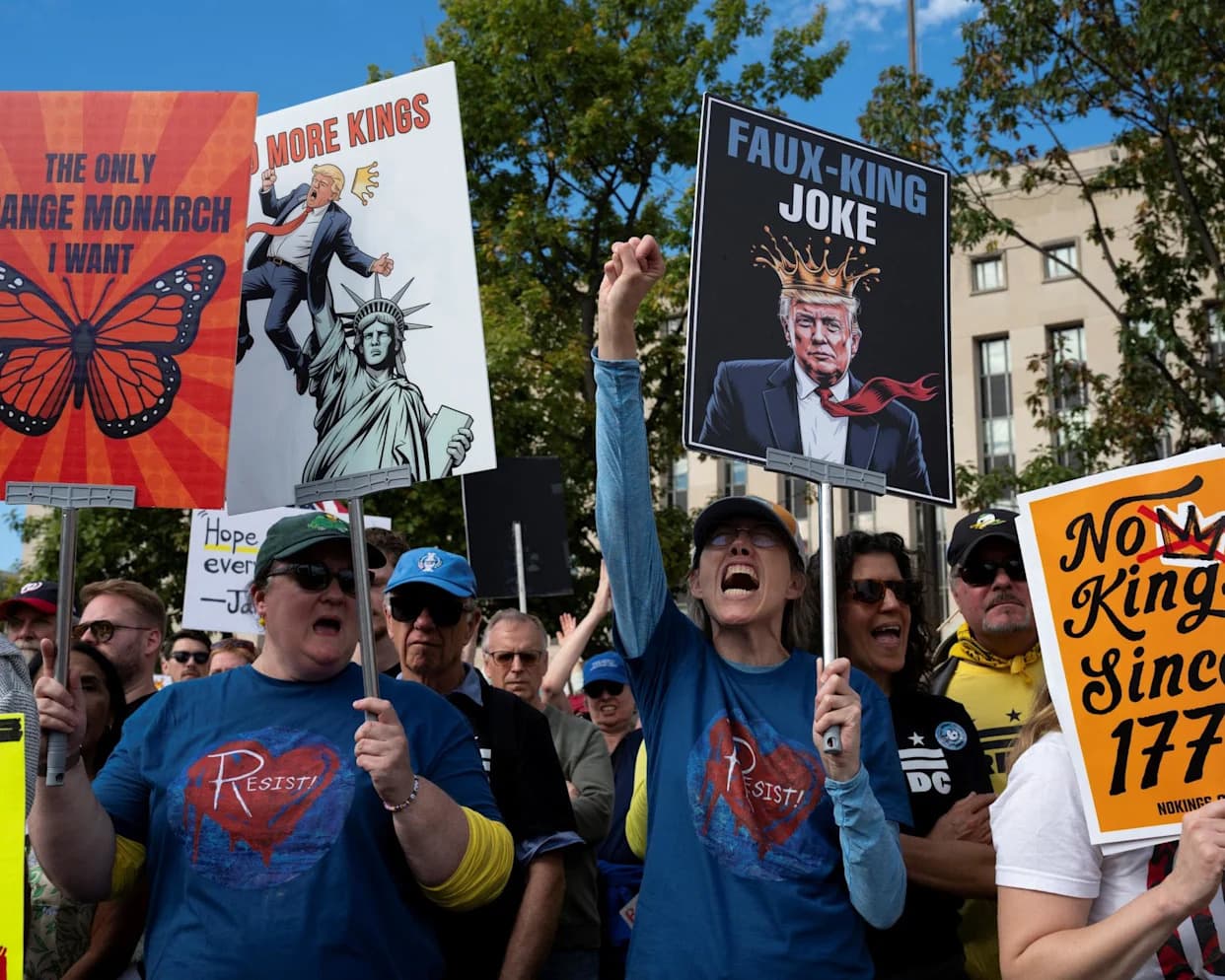
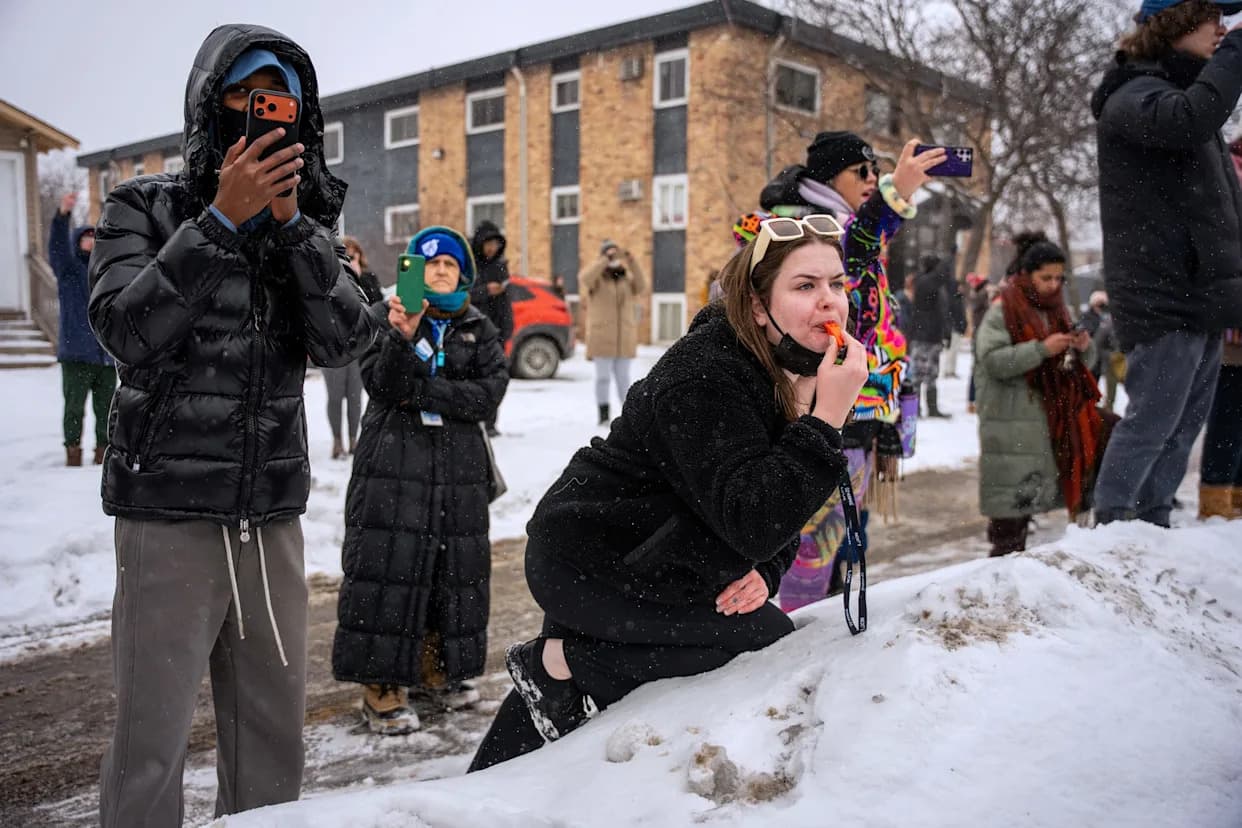
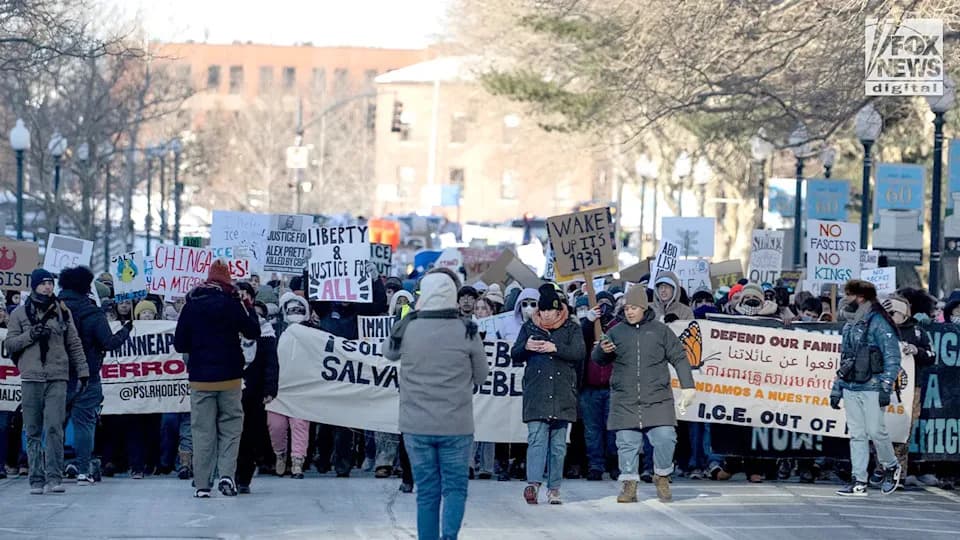
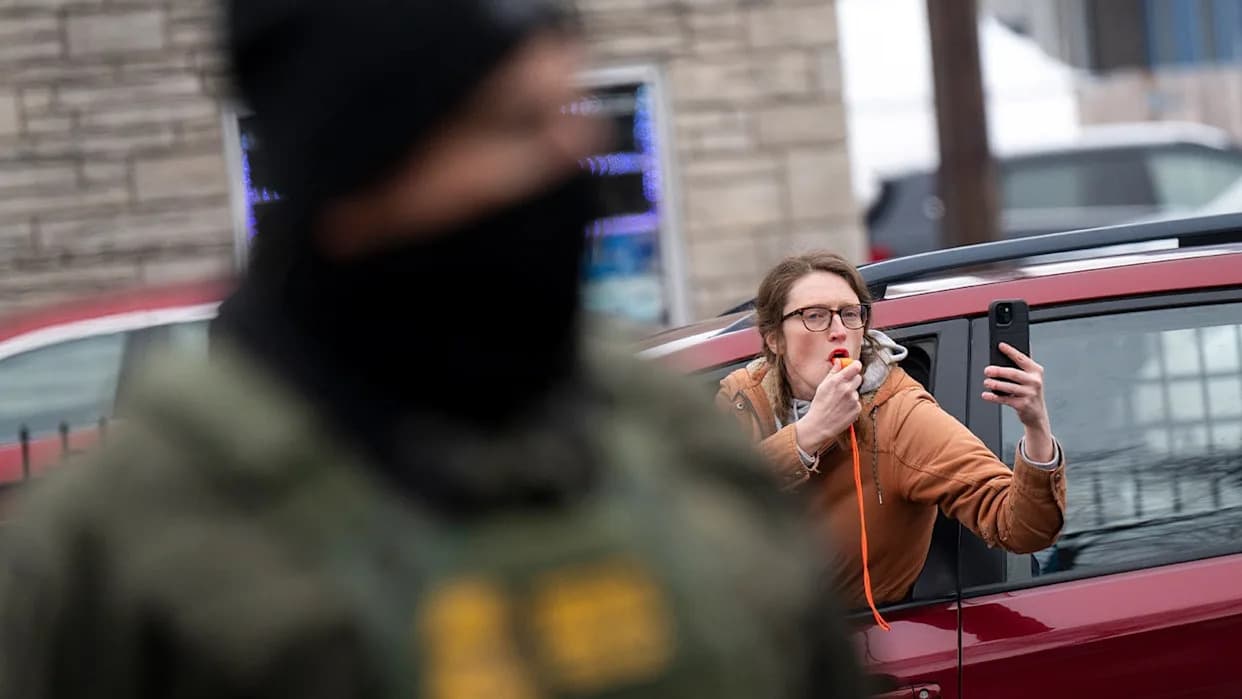
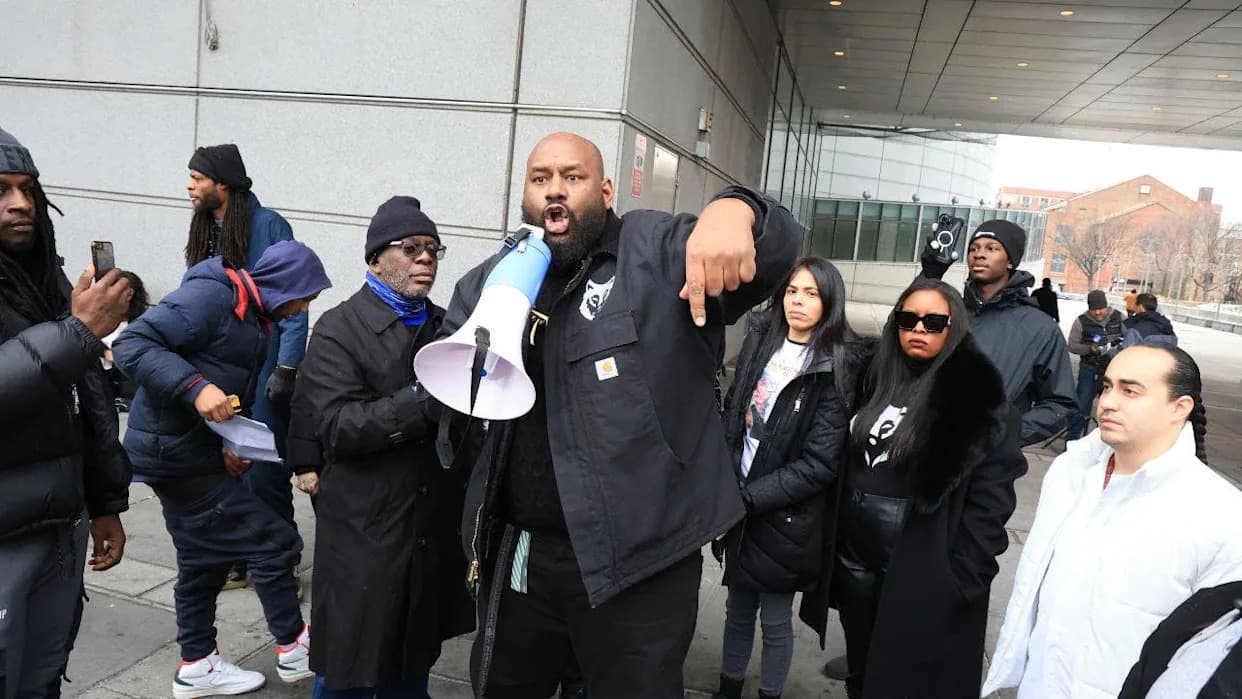
New participants across the United States are joining protests in 2025, driven by concerns about rights rollbacks and government overreach. Grassroots groups and national organizations are using low-barrier events, arts partnerships, humor and pop-culture tie-ins to recruit people who never saw themselves as activists. Organizers emphasize listening, inclusive tactics and coalition-building, and cite research suggesting sustained mass participation can produce political change.
New Activists Find Community as U.S. Protests Expand in 2025

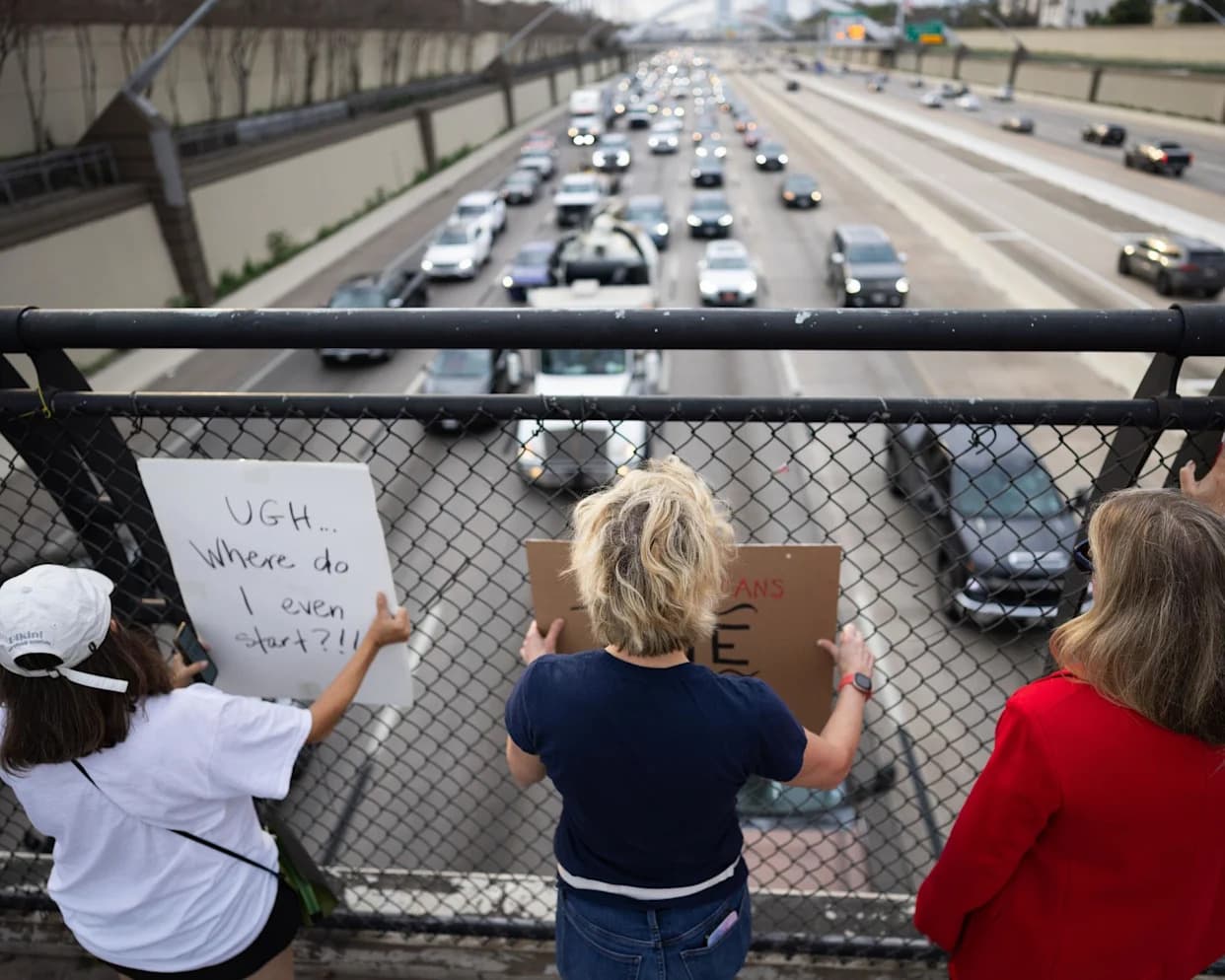
One October morning in Goffstown, New Hampshire, 62-year-old Donna DesRuisseaux drove to a nearby bridge carrying a homemade sign that read “Honk for democracy.” It was part of a recently formed tradition of staging demonstrations on bridges and overpasses across the state. That day she also attended a No Kings rally in Manchester and ran into people she now calls her “bridge friends.” DesRuisseaux, a business manager and former busy working mother, had never protested before 2025. After joining a Facebook group called the NH Bridge Brigade for Democracy, she felt compelled to act.
“I’m very worried about our democracy, freedom of speech, social security and health insurance,” DesRuisseaux said. Participants report receiving many supportive honks and the occasional obscene gesture. “Each week, protesting is more and more important. It’s not that hard of a commitment and I’ve met so many people. You feel the camaraderie because we’re all in the same boat.”
Why newcomers are turning out
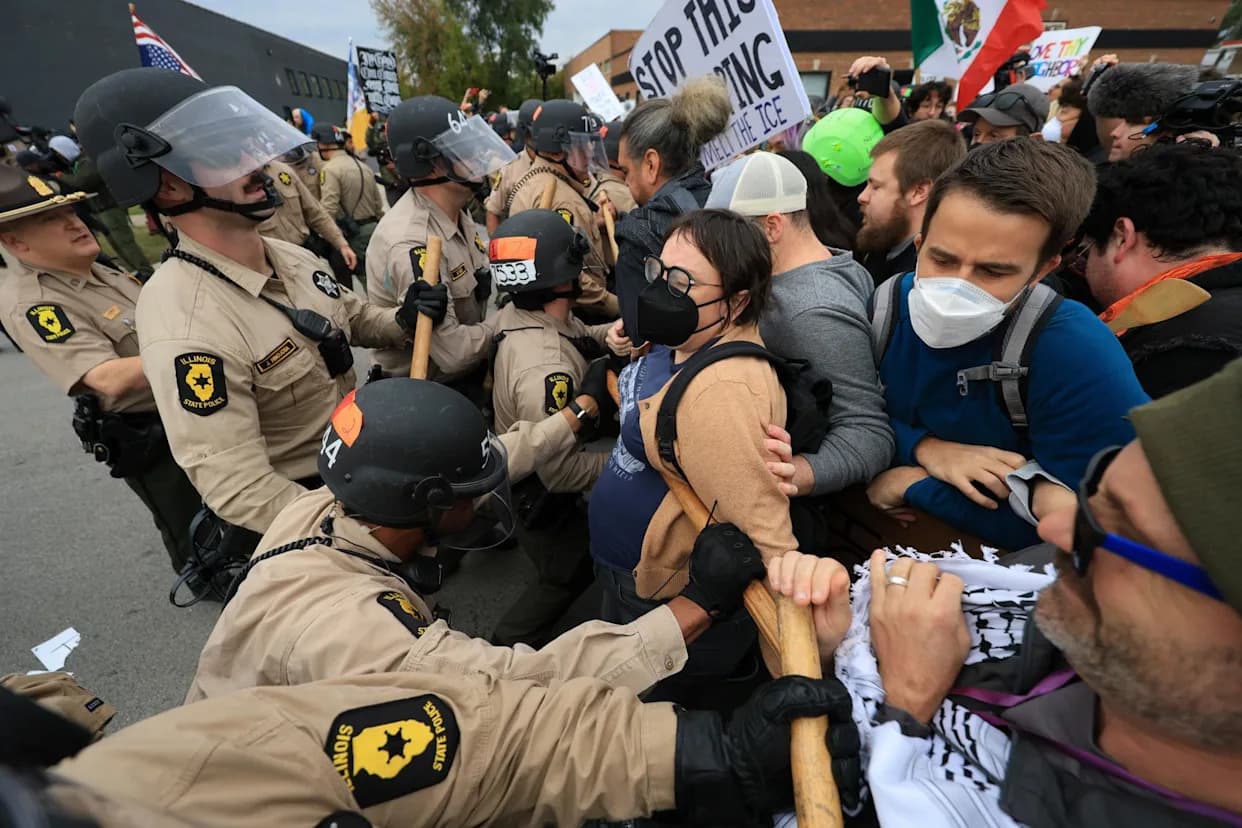
As the current administration has rolled back rights, shifted social safety-net priorities and taken other controversial actions, a broader cross-section of Americans is joining coalitions focused on education, racial justice, gun reform, science, environmental protection, immigration and LGBTQ+ rights. Organizers and researchers identify common reasons many people don’t protest—lack of knowledge about how to get involved, doubts that action will matter, or fear for personal safety—and are designing outreach to lower those barriers.
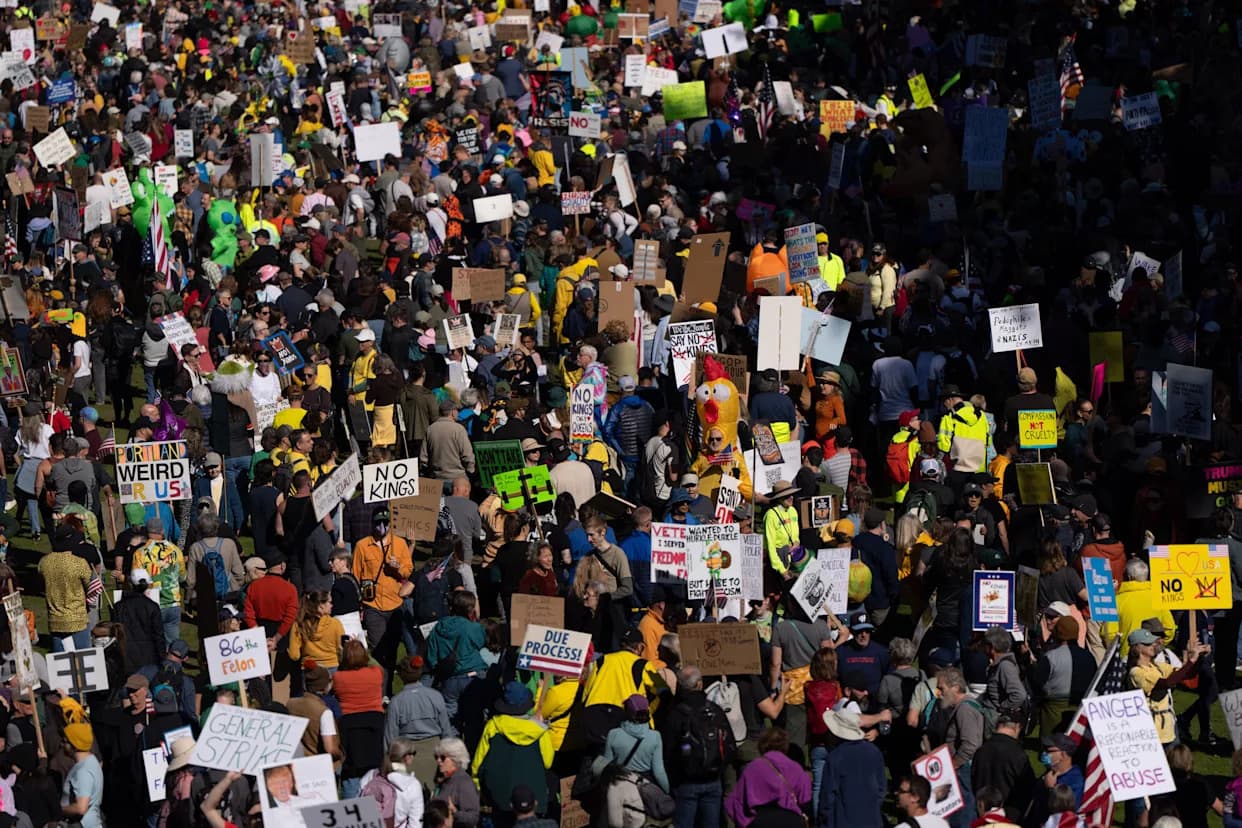
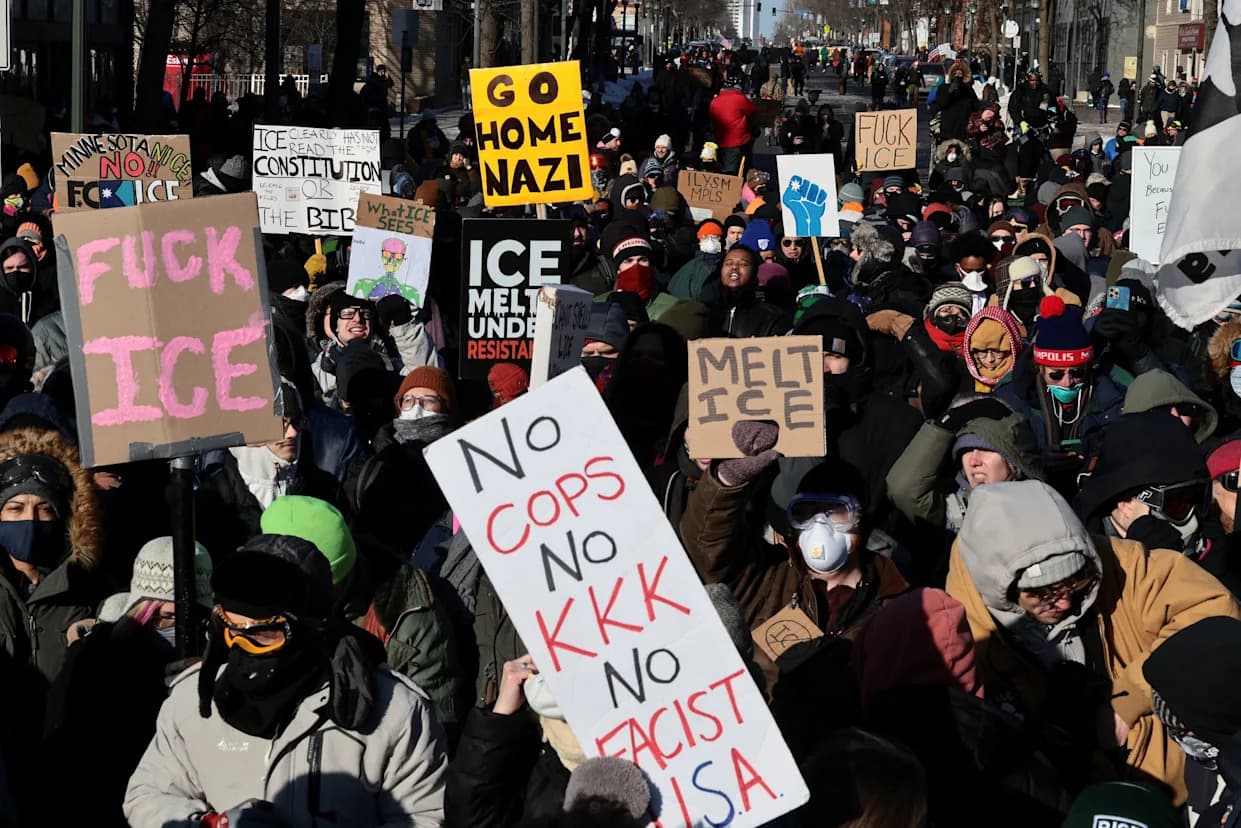
“Any successful anti-regime organizing effort at scale cannot just depend on people who are political addicts who follow everything going on,” said Ezra Levin, co-director of Indivisible, the group behind the nationwide No Kings protests that drew roughly 7 million people into the streets last month and now counts more than 2,600 local chapters. “It requires reaching out to people who are not currently with you. That means we’re hungry for opportunities to escape the bubble we’re in.”
Welcoming tactics and creative outreach
Local groups are experimenting with a wide range of approaches to make activism accessible. NorCal Resist, a Sacramento-based grassroots group, runs reading circles, film screenings and flower-pressing workshops alongside vigils, rallies, letter-writing drives and food distribution. They host Zoom events to reach rural supporters and speak at churches and community centers to meet people where they are. Partnerships with artists and performers help raise money and broaden audiences: a benefit concert and limited-edition art sales are just a few examples.
National organizations are using pop culture, too. Indivisible ran a digital campaign targeting fans of Andor — the critically praised Star Wars series about a resistance movement — leaning on the show’s theme that “courage is contagious” to illustrate how ordinary people inspire each other to act. Other campaigns, like Signs of Solidarity, encourage local businesses to display messages that separate opposition to enforcement agencies from support for immigrant communities.
Humor, listening and new leadership
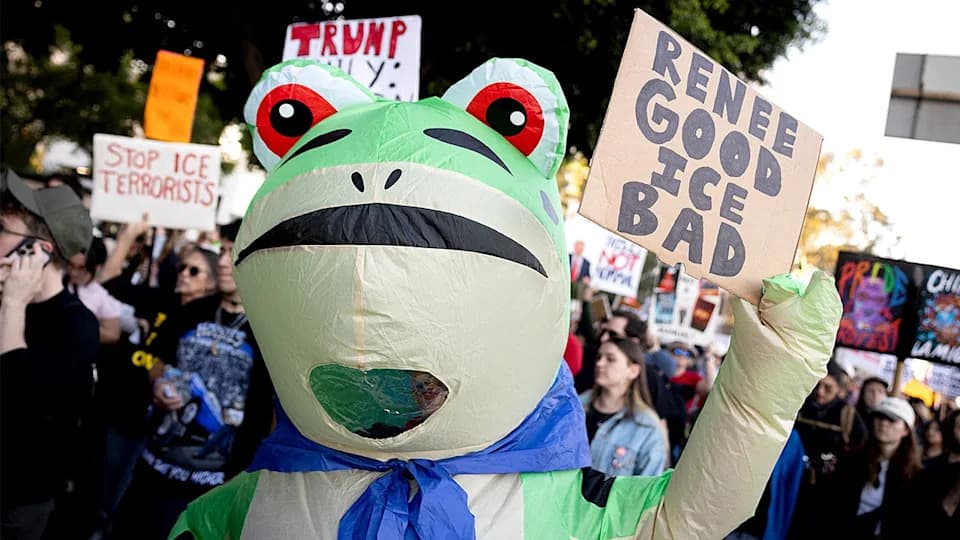
Many organizers emphasize that creative and low-barrier tactics—including humor—can lower the threshold for participation. Colette Delawalla, a clinical psychology graduate student at Emory University and co-founder of Stand Up for Science, described how the group uses humor and playful stunts to draw attention to threats to scientific freedom. Their events include teach-ins, petitions and light-hearted rallies such as “Get In, Dorks,” along with symbolic gestures like delivering “Quack-O-Grams” to members of Congress.
Others stress the importance of listening. “My mission is to listen 80% or more and only speak 20% or less,” said Lydia Walther-Rodriguez, chief of organizing and leadership development at Casa, an advocacy group for immigrant and working-class families. “Our community is a protagonist of their own liberation and as a community organizer you are not a teacher.”
Scale, solidarity and the path ahead
Organizers often point to research for perspective. The so-called 3.5% rule, from scholars Erica Chenoweth and Maria Stephan, suggests movements that sustain participation by roughly 3.5% of a population can produce meaningful change — about 12 million people in the United States. While exact figures for first-time protesters in 2025 are hard to pin down, observers note that protest activity this year is larger than in the prior term.
“This administration is attacking everybody and when you do that wide attack, then it becomes a basis of unity and solidarity,” said Diane Fujino, a professor who studies social movements. She pointed to historical examples like the farmworkers’ movement as models of cross-group solidarity and emphasized the importance of placing those most affected by policies at the center of leadership.
For many new activists, the appeal is both practical and emotional: small commitments, social connection and the feeling of taking part in something larger than themselves. Organizers say sustained, welcoming, creative outreach will be crucial to converting first-time participants into long-term civic actors.
Help us improve.