Vanity Fair describes a resurgence of progressive activism it calls "Woke 2," marked by a shift from online campaigning to visible street protests and community action. Writer Erin Vanderhoof highlights demonstrations in Minneapolis and Portland and links rising tensions to recent federal-agent shootings and immigration-enforcement clashes. The piece also notes concerns about outside funding of anti-ICE actions and reports that some influencers now openly embrace the "Woke 2" label. Commentators on both sides disagree about whether this signals a lasting movement or a reactive surge.
Vanity Fair Says 'Woke 2' Is Back: A Shift From Social Media Outrage To Street Protests
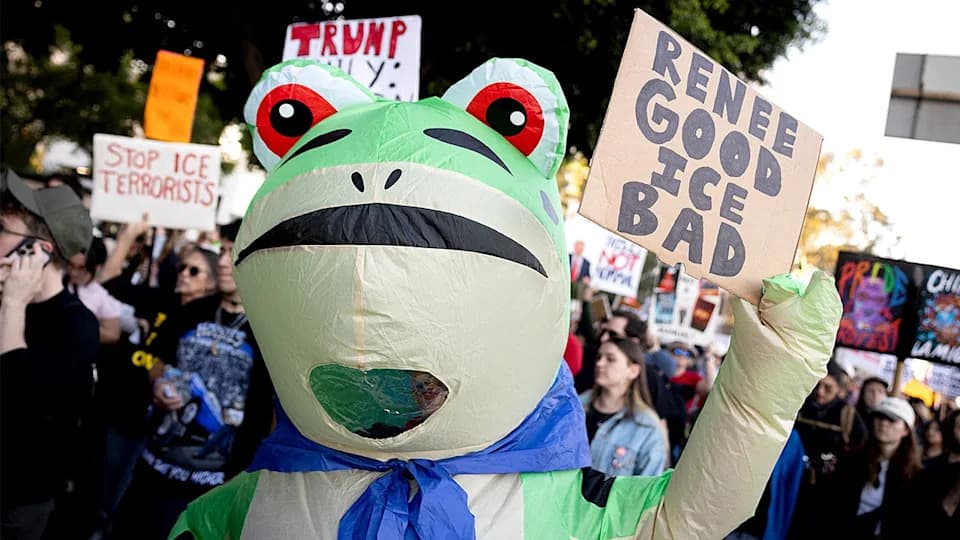
A person in an inflatable frog suit holds a sign during a protest in Los Angeles, California, on Jan. 10, against U.S. Immigration and Customs Enforcement (ICE) after the fatal shooting of Renee Nicole Good in Minneapolis.(Getty Images)
Vanity Fair argues that a renewed phase of progressive activism—dubbed "Woke 2" in the magazine—has emerged as a more assertive, in-person response to the return of President Donald Trump. Writer Erin Vanderhoof frames this wave as less oriented toward social-media outrage and more focused on visible street protests, direct community action, and new, confrontational tactics.
From Online Campaigns To The Streets
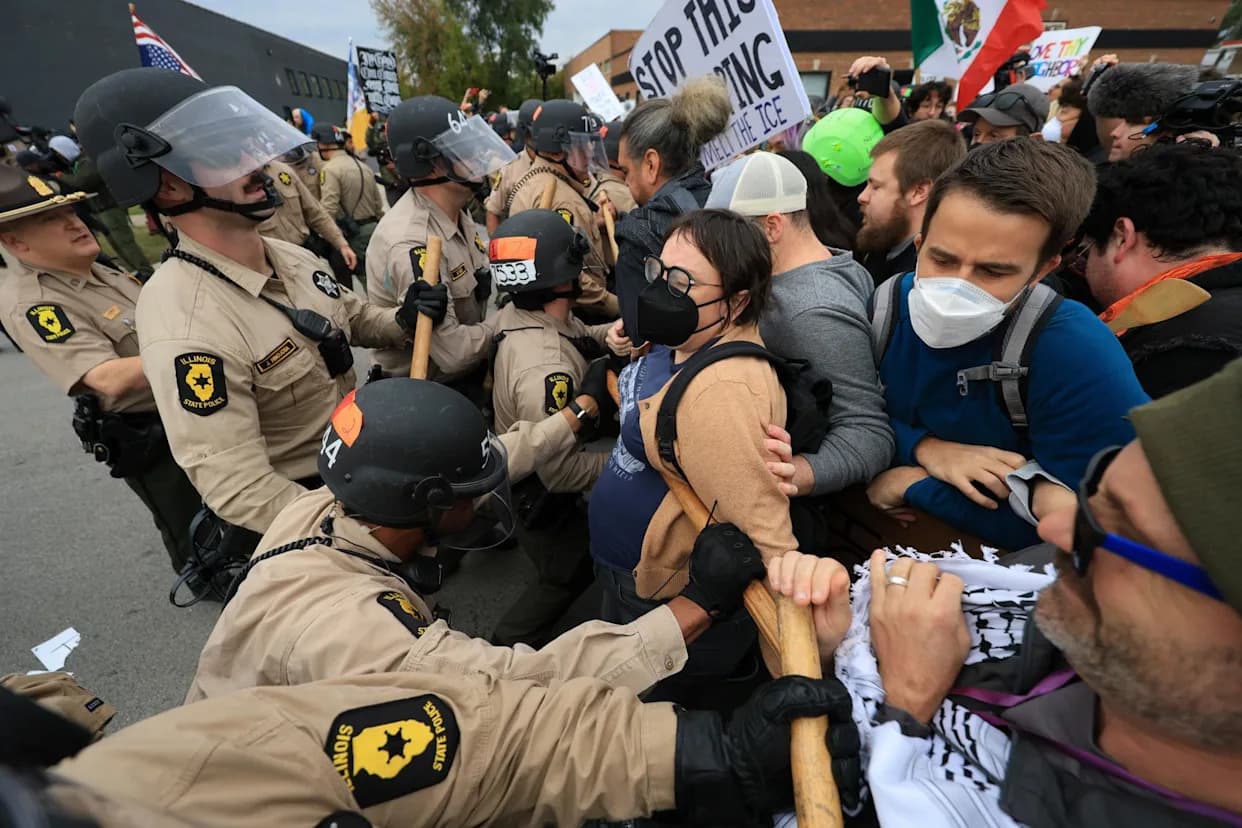
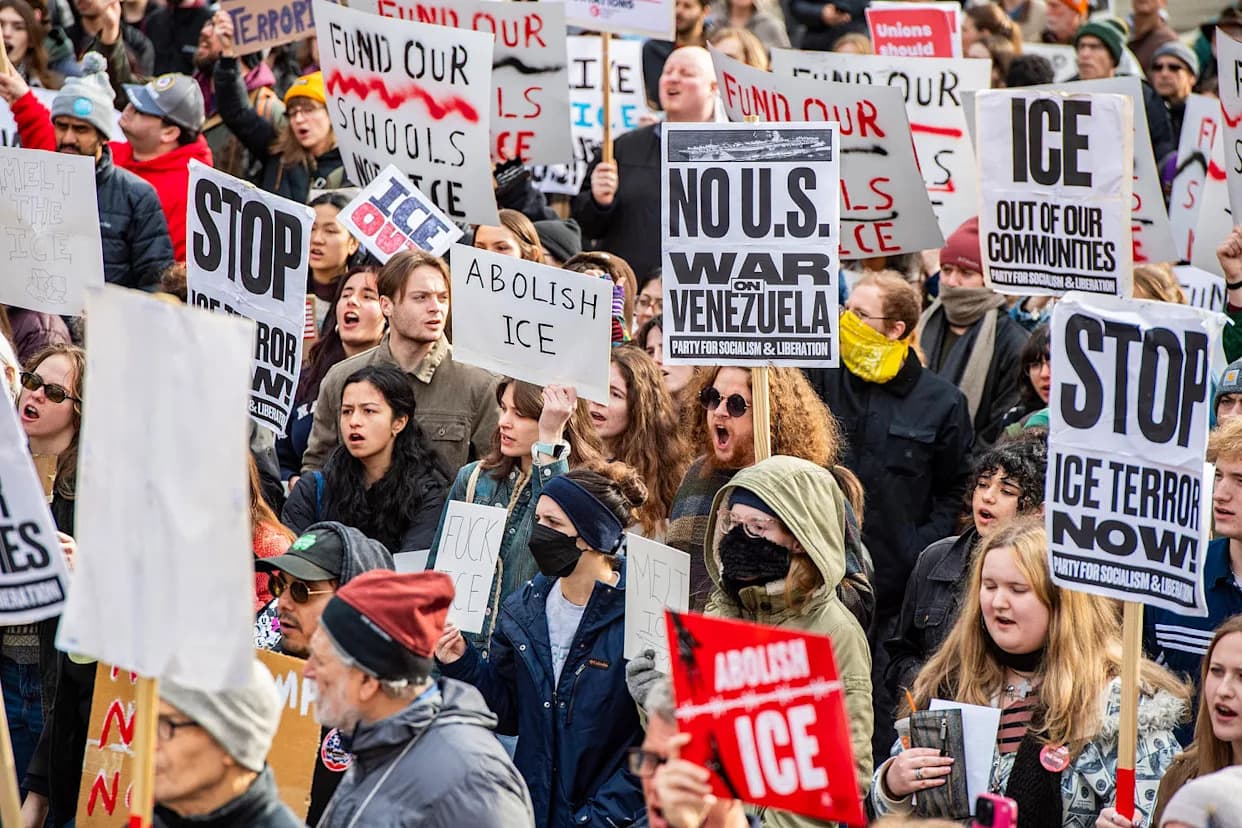
Vanderhoof contrasts "Woke 2" with the social-media-driven activism of the 2010s. Instead of primarily organizing through posts and hashtags, the piece says, activists are increasingly staging demonstrations and community resistance in cities such as Minneapolis and Portland. These actions range from organized protests to coordinated efforts to impede federal immigration enforcement.
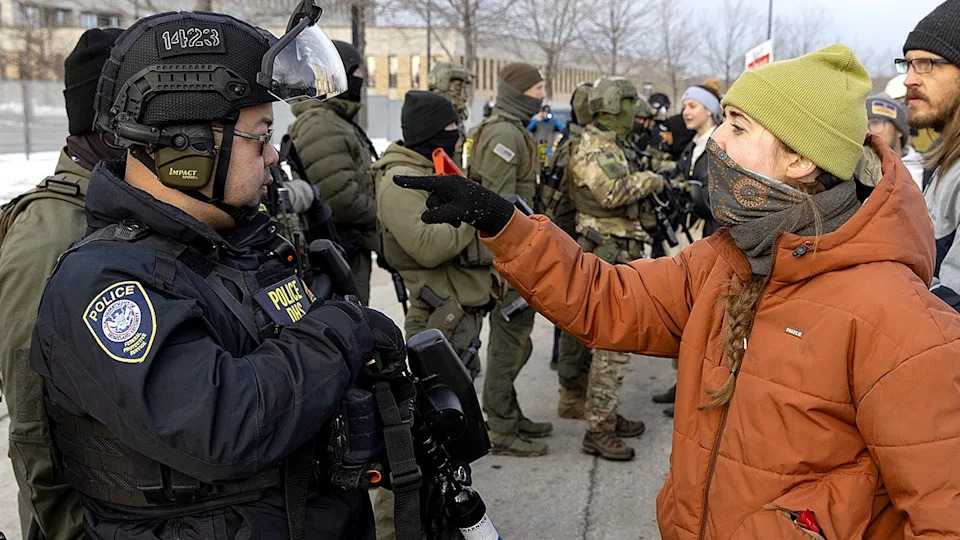
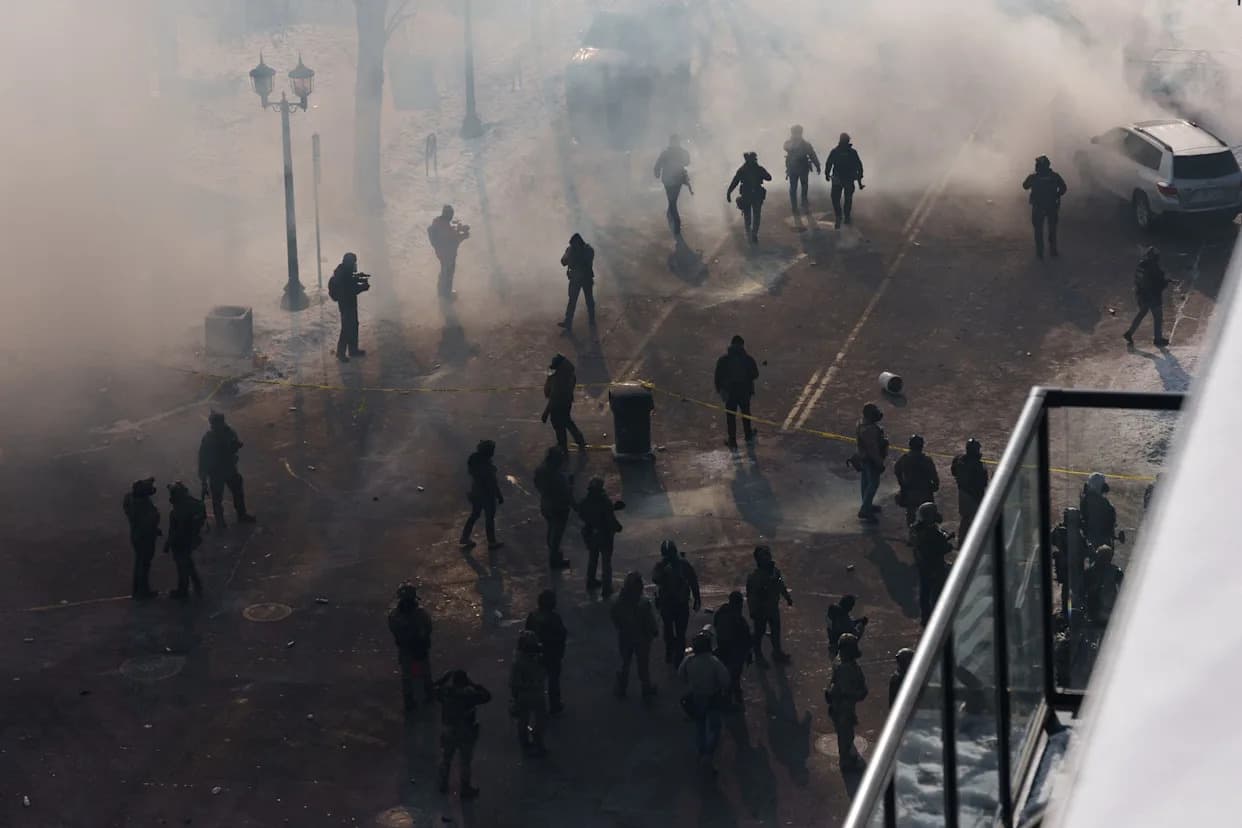
A protester confronts a Homeland Security officer during a protest against U.S. Immigration and Customs Enforcement (ICE) following a fatal shooting by an ICE agent in Minneapolis on Jan. 11.
"If Woke 1 was the 2010s-era urge to fight racism, sexism, homophobia, and more with social media anger, Woke 2 is something different," Vanderhoof writes, describing a movement that is more physical and assertive.
Tensions, Violence, And Funding Concerns
The article notes a darker tenor in some corners of the movement, citing recent fatal shootings involving federal agents in Minneapolis and heightened clashes over immigration enforcement as factors that have intensified tensions. Officials and commentators quoted in the piece also warn about outside money: some say anti-ICE actions have been bankrolled by what they call "shadowy interests," raising concerns about public-safety risks and the potential for escalation.
Vanity Fair further observes that some online influencers and commentators are embracing the "Woke 2" label rather than rejecting it, signaling a renewed confidence among activists who want to own the term and its confrontational posture. The piece also references conservative warnings that woke culture never fully disappeared, pointing to opinion columns—such as New York Post columnist Rikki Schlott’s—that argue the movement is ready to reemerge despite corporate pullbacks on DEI programs.
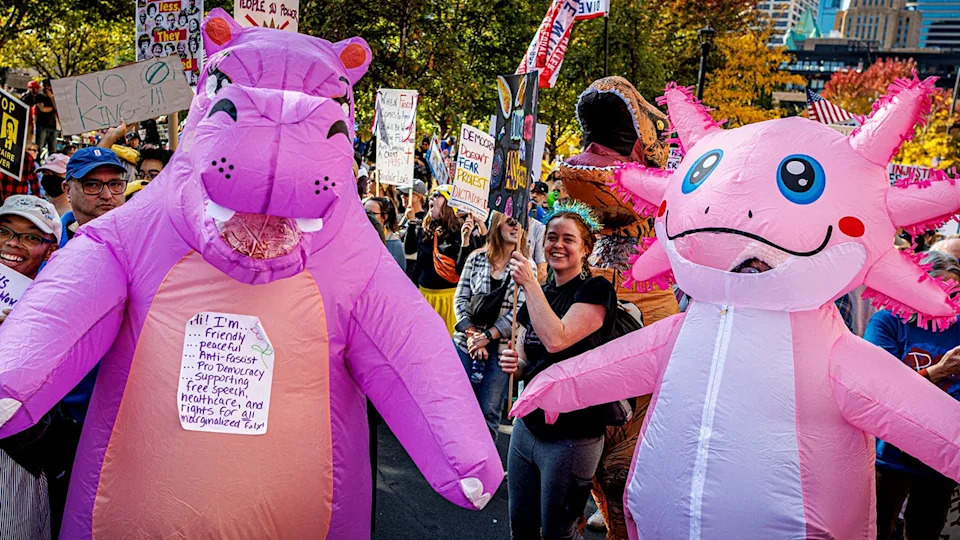
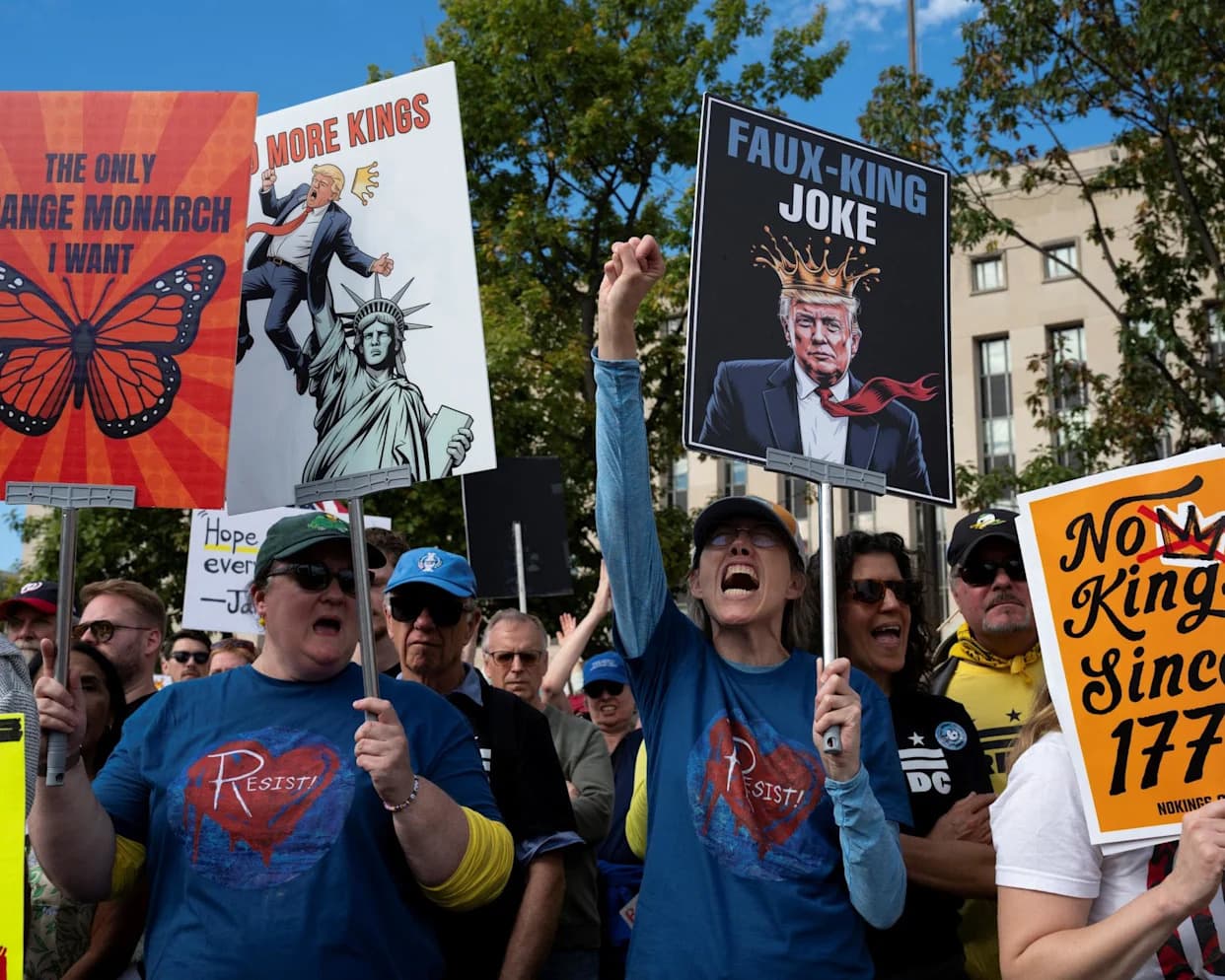
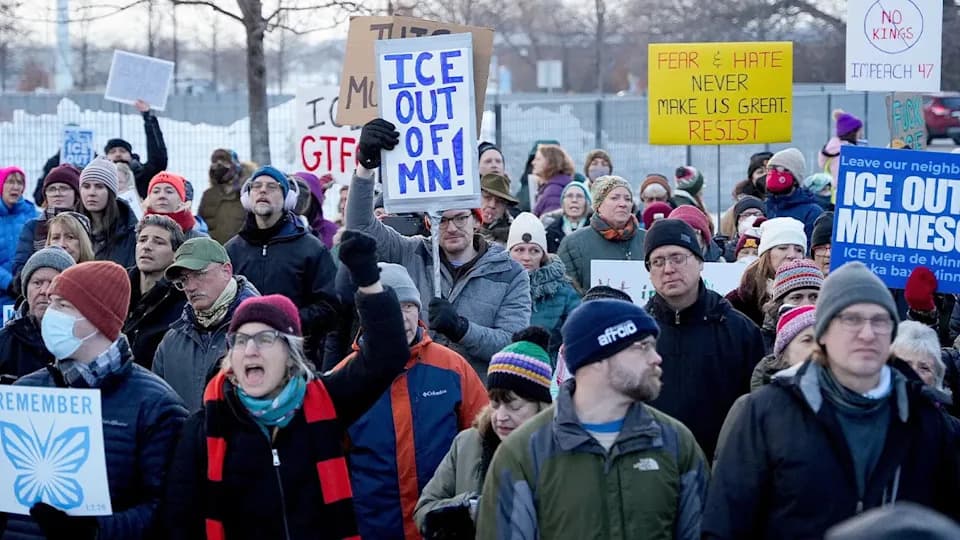
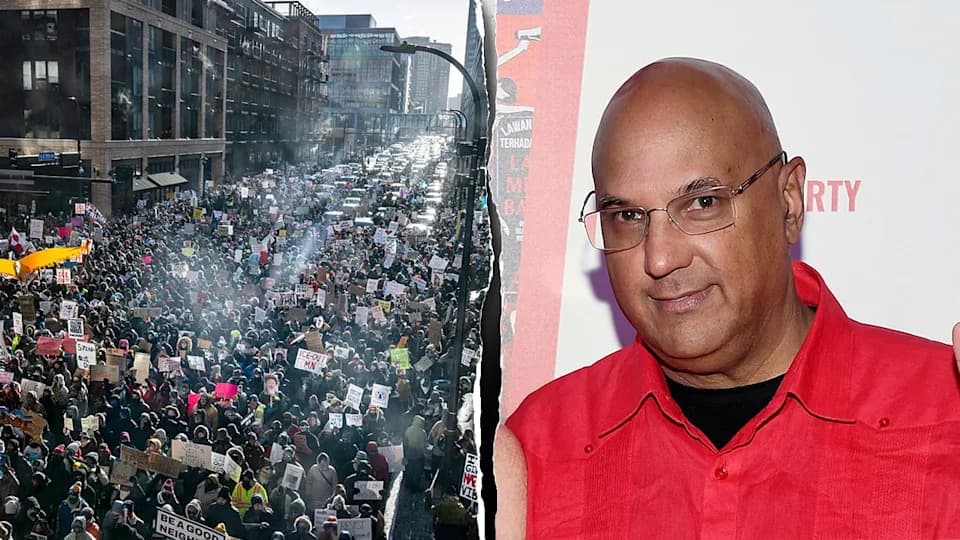
Protesters rally during the "No Kings" national day of protest in Minneapolis, Minnesota, on Oct. 18, 2025.
Examples And Context
As visible signs of this shift, the coverage cites renewed campus debates, street protests in Minneapolis and Portland, and political developments such as the election of New York City Mayor Zohran Mamdani—examples commentators use to show progressive ideas still hold influence in local politics.
Vanity Fair’s article does not present a single, unified movement but highlights a range of behaviors and voices—from community organizers to provocative influencers—coalescing around a more confrontational, in-person style of activism. Observers differ on whether this represents a durable new phase or a reactive surge to current political conditions.
Help us improve.