Germany’s governing coalition has agreed a bill to expand the Bundeswehr to 260,000 active soldiers and 200,000 reservists by 2035, prioritising voluntary recruitment with higher pay (starting €2,600/month). If voluntary enlistment fails to meet targets, the government would have the option to enact mandatory call‑ups. The plan reflects shifting security concerns since Russia’s 2022 invasion of Ukraine, but it remains politically divisive and could provoke social debate if conscription is reinstated.
Germany Advances Ambitious Plan to Make the Bundeswehr Europe’s Strongest Army

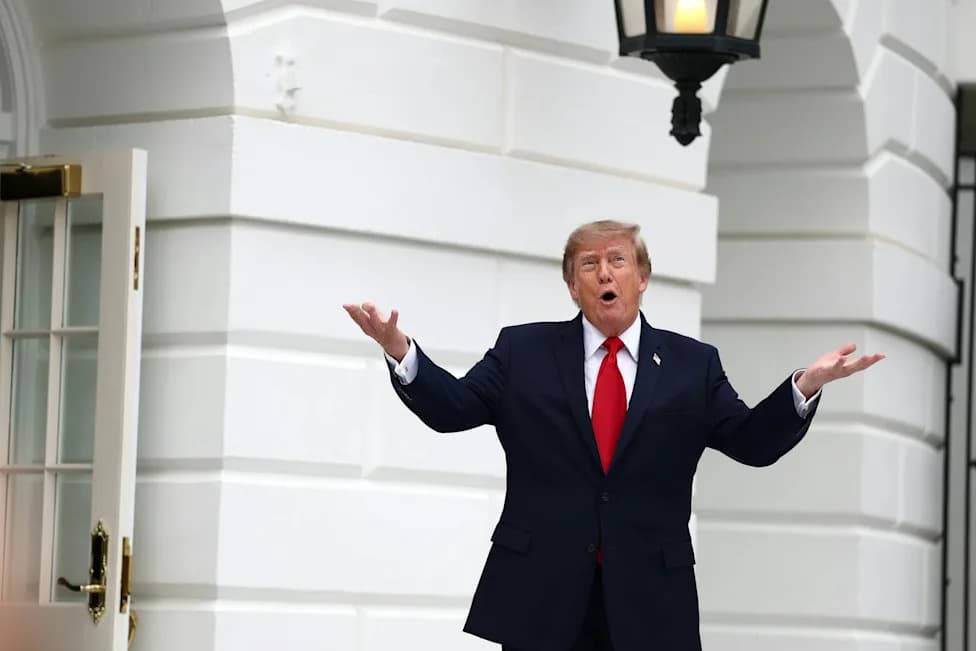
Chancellor Friedrich Merz this year pledged to turn Germany’s armed forces into "Europe’s strongest conventional army." Last week the governing coalition reached an agreement on a sweeping bill designed to accelerate that transformation amid concerns about Russia and shifting U.S. policy.
Key changes
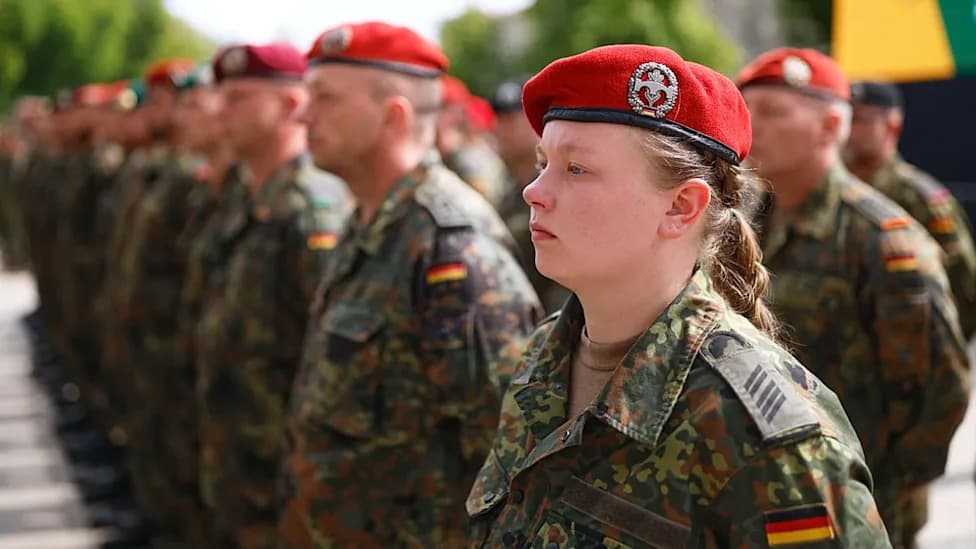
The package sets a personnel target of 260,000 full‑time soldiers (up from roughly 180,000 today) plus 200,000 reservists by 2035. Berlin will initially prioritise voluntary recruitment with stronger incentives — including a new starting monthly salary of €2,600 ($3,000), an increase of about €450 — and other financial benefits to attract recruits.
If voluntary enlistment falls short of the quotas, the government would retain the option to enact mandatory call‑ups. From next year, every 18‑year‑old will receive a questionnaire about interest in military service; completion will be compulsory for males. Beginning in 2027, 18‑year‑old men will also undergo mandatory medical examinations.
Politics, timing and debate
The measures were negotiated by the coalition of the conservative Christian Democratic Union (CDU) and the centre‑left Social Democratic Party (SPD). Lawmakers in the Bundestag are expected to vote on the bill by the end of the year; if approved, the new regime would take effect on 1 January 2026.
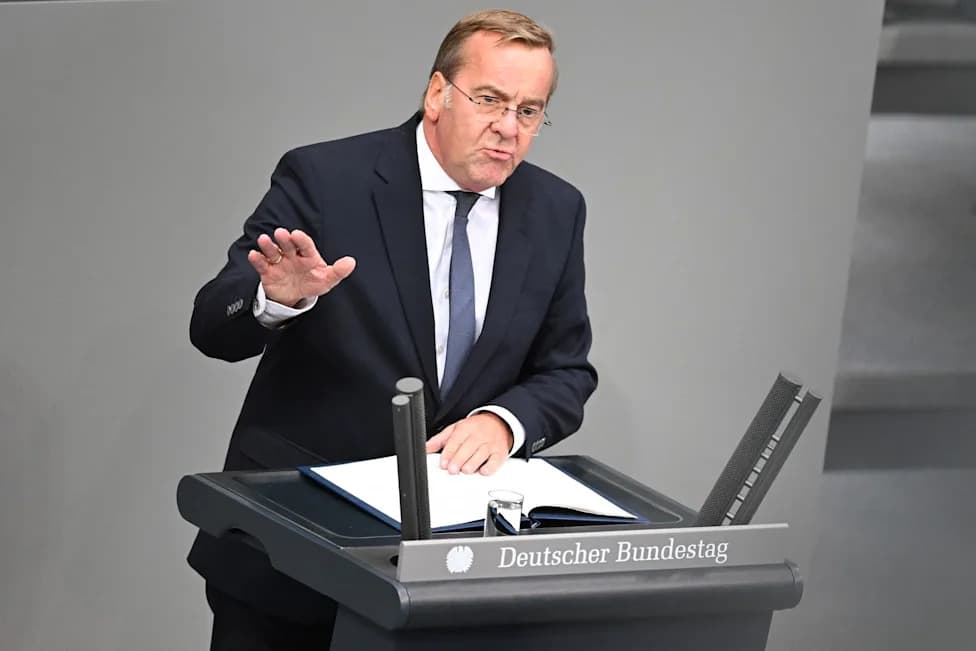
“There is no reason for concern, no reason for fear,” Defence Minister Boris Pistorius said after the agreement, arguing that stronger deterrence and better‑trained, better‑equipped forces reduce the likelihood of involvement in conflict.
Pistorius has also suggested the reform could set an example for other European nations. Chancellor Merz has linked the push to a broader shift in German defence policy since Russia’s 2022 invasion of Ukraine, and has pledged to increase defence spending to meet NATO targets.
Security context and expert views
The move follows pressure from the U.S. administration for Europe to shoulder more of its own defence, concerns that Russia’s war in Ukraine could escalate, and warnings from some defence figures about the risk of further aggression. Germany’s chief of defence, Gen. Carsten Breuer, has urged NATO to prepare for the possibility of a large‑scale attack within the next few years.
Minna Ålander, an associate fellow at Chatham House, said Germany could play a key role in Europe's conventional defence if the personnel targets are met, though she expects that capacity will take years to build. Ålander also warned that imposing obligatory service on a sceptical public could risk polarising some young people politically.
Public reaction and social impact
The proposal is contentious, especially on the political left. A Forsa poll published in Die Welt earlier in the year found strong opposition among voters for the left‑wing Die Linke party. Young people interviewed expressed mixed feelings: many support strengthened defence but resist compulsory universal service, citing concerns about disruption to education, career plans and the principle of being forced to fight.
Official figures show a rise in applications for conscientious objector status: from the start of the year through 25 October, 3,034 people applied — the highest total since conscription was suspended in 2011.
Historical background
For decades after reunification, Germany’s defence spending remained below NATO’s 2% GDP guideline amid a low‑threat perception and a persistent pacifist sentiment. Russia’s 2022 invasion of Ukraine triggered a policy shift — then‑Chancellor Olaf Scholz called a "Zeitenwende" and a special €100 billion fund was created to modernise the Bundeswehr. In June 2024 Germany held its first public Veterans’ Day since World War II, reflecting a changing domestic tone toward defence.
Whether the recruitment targets and reforms will be achieved quickly enough to address near‑term risks is uncertain. If voluntary measures fall short, activating mandatory call‑ups would likely spark intense political and social debate across Germany and Europe.
Help us improve.