Greenpeace USA faces a serious legal and financial threat after a North Dakota jury found the group liable for actions tied to Dakota Access pipeline protests, initially awarding over $660 million—later reduced to about $345 million by a judge. The long-running litigation has unsettled leadership, driven nearly 20% staff reductions and prompted turnover among senior lawyers. Greenpeace warns the case could set a precedent that chills protest activity; the fight continues on multiple legal fronts as the organization reorganizes and pursues fundraising.
Greenpeace USA on the Brink: How a Massive Lawsuit and Leadership Turmoil Threaten the Group
Greenpeace USA Faces Existential Legal and Organizational Crisis
Greenpeace USA, long regarded as one of the nation’s most prominent environmental organizations, now confronts an existential threat after nearly a decade of litigation with Texas-based Energy Transfer. A North Dakota jury found Greenpeace liable for trespass, conspiracy and defamation tied to protests against the Dakota Access pipeline in 2016–2017. The jury initially awarded more than $660 million in damages; a judge later reduced that amount to about $345 million in October. A final judgment and ongoing appeals could leave the group facing crippling financial exposure.
Legal Stakes and Broader Implications
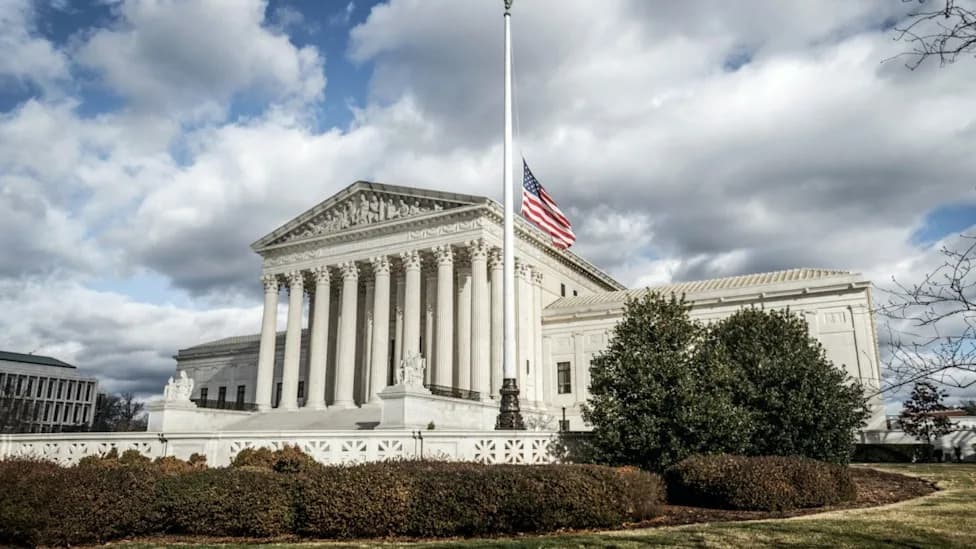
The outcome of the litigation could extend beyond Greenpeace, potentially affecting how courts treat protest-related liability and nonprofit advocacy. Greenpeace warns that the case could establish a precedent holding participants responsible for others' actions at demonstrations — a change it says could chill free speech and organized protest in the U.S. and abroad. Greenpeace International has filed a countersuit in the Netherlands, and the U.S. litigation could continue for years and possibly reach the Supreme Court.
Internal Fallout: Leadership and Morale
The long-running trial has taken a heavy toll on the organization’s leadership and morale. Greenpeace USA has been led by interim executive director Sushma Raman since September 2024 after the abrupt departure of former executive director Ebony Twilley Martin in June. Allies of Twilley Martin have said she was sidelined in a power struggle tied to how the organization should respond to the Energy Transfer litigation. Willem van Rijn, former chief operating officer until April 2024, has said there had been "discussion and an opening for settlement" and that Twilley Martin favored a limited settlement to preserve the organization’s future, a strategy the board rejected.
Staff sentiment has been strained. A current employee who requested anonymity described morale as "at an all-time low" after leadership changes and months of uncertainty.
Staff Reductions and Financial Position
In July, Greenpeace USA launched a voluntary separation program that ultimately reduced its workforce by nearly 20 percent. The organization now employs roughly 91 staff, according to spokesperson Madison Carter. The cuts were described as an effort to shrink operating costs amid the prospect of a much tighter budget if the judgment is upheld. Carter framed the legal pressure as deliberate litigation tactics by Energy Transfer intended to impose crippling legal costs on nonprofits.
Public filings show Greenpeace Inc. reported about $40 million in revenue in fiscal 2023, while the affiliated Greenpeace Fund reported roughly $22 million for the same year. Greenpeace leadership says fundraising has remained resilient, with donors across income levels continuing to support the organization’s mission.
Management Changes and Legal Team Turnover
The senior management roster now features several recent hires. Of the four leaders listed on the organization's senior team page, only one has been with Greenpeace for the entire duration of the legal battle. Felicity von Sück rejoined as Chief Development Officer in January; Marco Simons became interim general counsel in September; and Rolf Skar has been a senior manager since 2007. Longtime general counsel Jay Meisel left in September, and senior legal adviser Deepa Padmanabha resigned in October after 14 years with the organization.
Interim director Sushma Raman characterizes the period as both challenging and regenerative: the organization is preserving institutional knowledge while recruiting new staff and prioritizing agility to respond to future needs.
Statements from the Parties
Greenpeace: "These lawsuits are designed to burden nonprofits like ours with crushing legal costs and force difficult tradeoffs that harm our work, our people, and our movement," a spokesperson said. The organization maintains that much of the disruption is the result of Energy Transfer's legal strategy.
Energy Transfer: In an unsigned statement, the company said the rulings underscore that "there are consequences for breaking the laws of the United States" and described the outcome as vindication for law-abiding Americans who draw a line between free speech and unlawful conduct.
Outlook
The case remains unresolved and could shape future protest-related litigation nationwide. Whether Greenpeace can avoid bankruptcy, preserve its programmatic work, and rebuild morale will depend on the final legal outcome, the success of ongoing fundraising, and the organization's ability to stabilize its leadership and operations. After nearly a decade of legal conflict, Greenpeace leaders say the organization is focused on continuing its mission while preparing for further legal and financial challenges.
Help us improve.