Japanese researchers exposed spores of the moss Physcomitrium patens outside the ISS for 283 days. After returning to Earth on a SpaceX resupply mission in January 2023, over 80% of the spores survived and germinated on agar. Ultraviolet radiation reduced chlorophyll production, while vacuum, temperature extremes and microgravity had little effect on survival. The findings suggest bryophytes could be useful for future lunar or Martian ecosystems and life-support systems.
Moss Survives 283 Days Outside the ISS — A Green Candidate for Space Habitats

The humble clumps of moss that carpet garden walls and seep through sidewalk cracks have shown remarkable toughness in space. A team of Japanese researchers found that spores of the moss Physcomitrium patens survived prolonged exposure outside the International Space Station (ISS) and germinated successfully after return to Earth, suggesting bryophytes could become a component of future off-world ecosystems and life-support systems.
How the experiment worked
Researchers tested different cell types of P. patens to identify which structures best withstand space hazards such as intense ultraviolet (UV) radiation, vacuum, extreme temperature swings and microgravity. They found spores encased in a protective, spongy outer layer called the sporangium to be the most resilient to UV and temperature stress.
Exposure in orbit
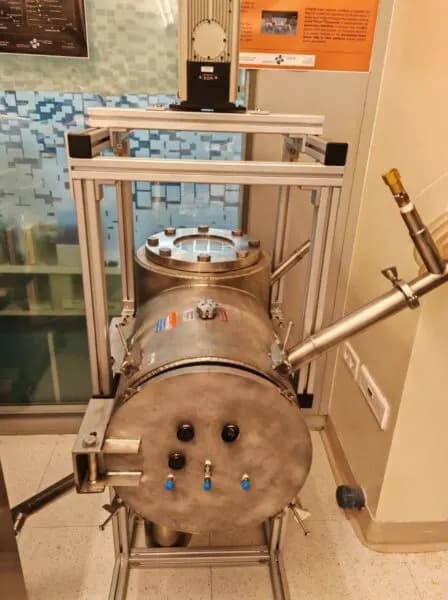
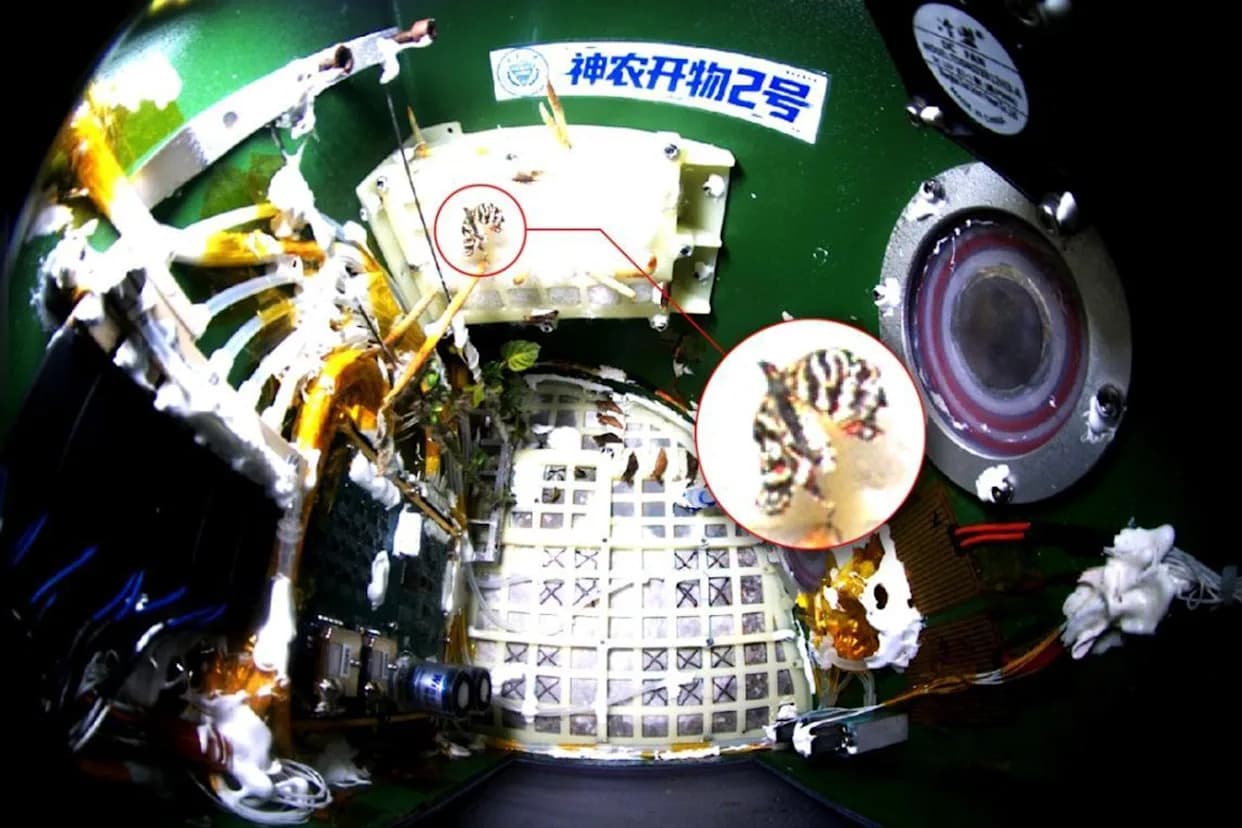
In 2022, selected spores were mounted in an external exposure chamber attached to the ISS and left outside the station for 283 days. The samples returned to Earth on a SpaceX resupply mission in January 2023 and were cultured on agar in the laboratory.
Key results
More than 80% of the recovered spores survived the orbit exposure and germinated successfully. Ultraviolet radiation produced the clearest biological effect, reducing chlorophyll production in the germinated moss, while factors such as microgravity, vacuum and temperature extremes had little measurable impact on spore survival or germination rate.
"Understanding the resilience of Earth-born organisms in extreme and unfamiliar conditions, such as the space environment, is a crucial step toward expanding human habitats beyond Earth," the authors note, highlighting the value of testing biological survivability for future Moon or Mars missions.
Implications
Previous work showed mosses can survive simulated Martian conditions; this study extends that evidence to real outer-space exposure. Because bryophytes are lightweight, reproduce via durable spores and tolerate extreme conditions, they are promising candidates for experiments in planetary greening, closed-loop life-support systems and biological research on long-duration missions.
Source: Results published in the journal iScience. Researchers emphasize that more work is needed to assess long-term growth, ecological interactions and genetic stability after space exposure before practical applications are developed.
Help us improve.