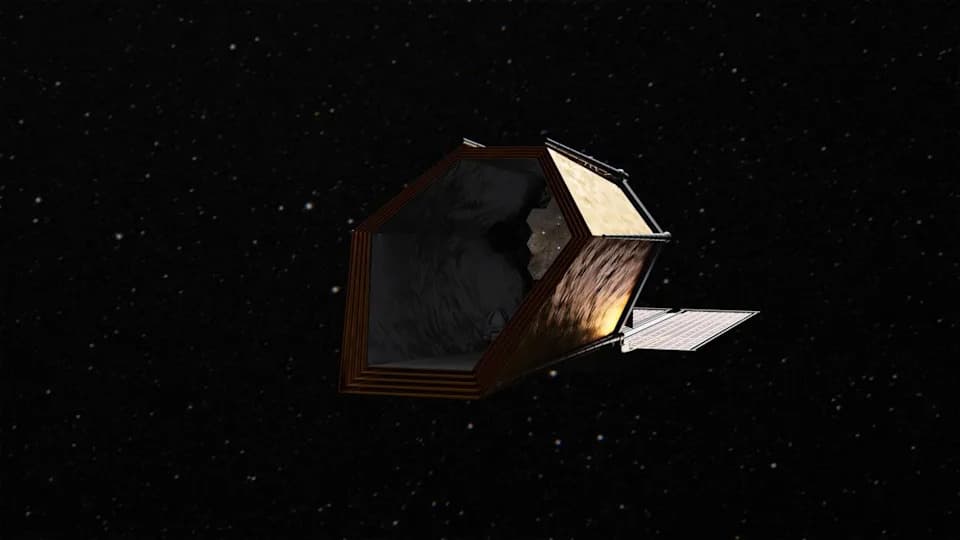
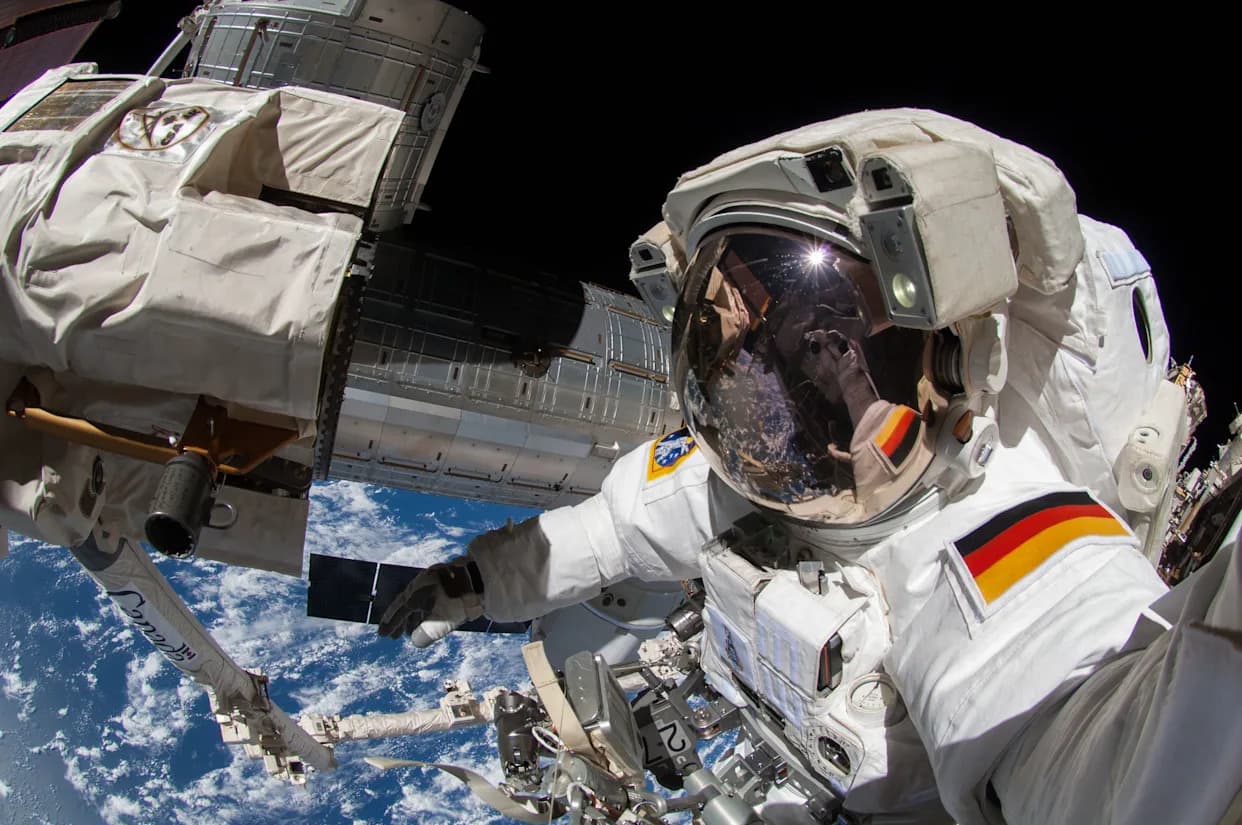
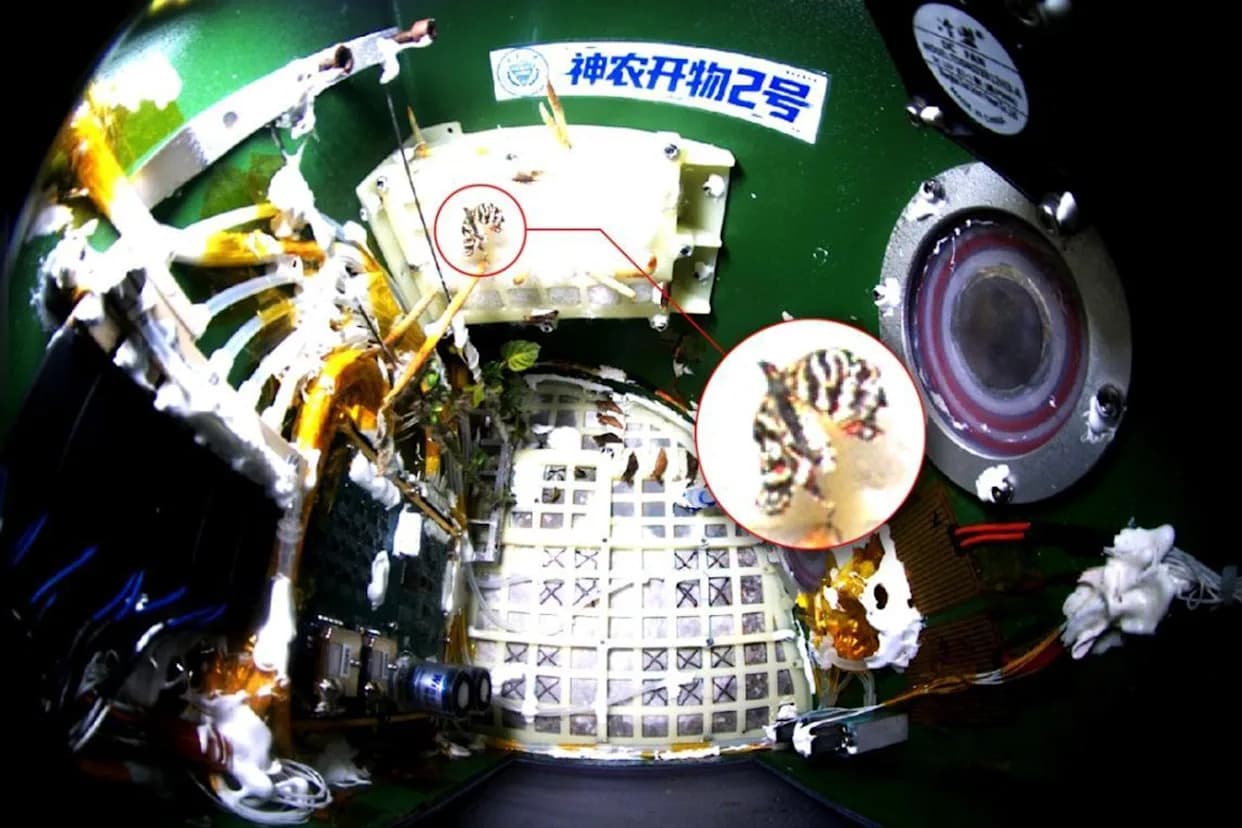
China’s Tiangong received a chrysalis in December and a butterfly hatched inside a 14.2-liter capsule kept at about 86°F (30°C). Researchers observed the insect navigating, fluttering and perching normally in microgravity. The experiment was entirely unmanned and deliberately lacked shielding or active environmental controls to test harsher conditions. Team lead Xie Gengxin noted the results, together with earlier lunar plant trials, could inform future space farming where insects act as pollinators.
Butterfly Hatches From Chrysalis Aboard China’s Tiangong — Adapts Quickly to Microgravity
China
A butterfly emerged from a chrysalis inside China’s Tiangong space station, offering new insights into how small animals adapt to microgravity and what that could mean for future space agriculture.
The chrysalis was delivered to Tiangong in December aboard a Kuaizhou 11Y8 cargo craft. The pupa was housed in a self-contained, 14.2-liter capsule kept at about 86°F (30°C) and furnished with plants and microorganisms to create a stable micro-ecosystem. After the butterfly hatched, the chamber sustained it for several days while cameras and sensors recorded its behavior.
Researchers had been uncertain how the insect would handle near-weightlessness, but observers reported that the butterfly adapted quickly: it fluttered its wings, navigated the confined space, and rested on leaves much as it would on Earth. According to Xie Gengxin, director of Chongqing University’s Space Science and Technology Research Institute and chief designer of the experiment,
"Many people thought the butterfly wouldn’t be able to fly in microgravity, but what we observed was that it quickly adapted to the new environment."
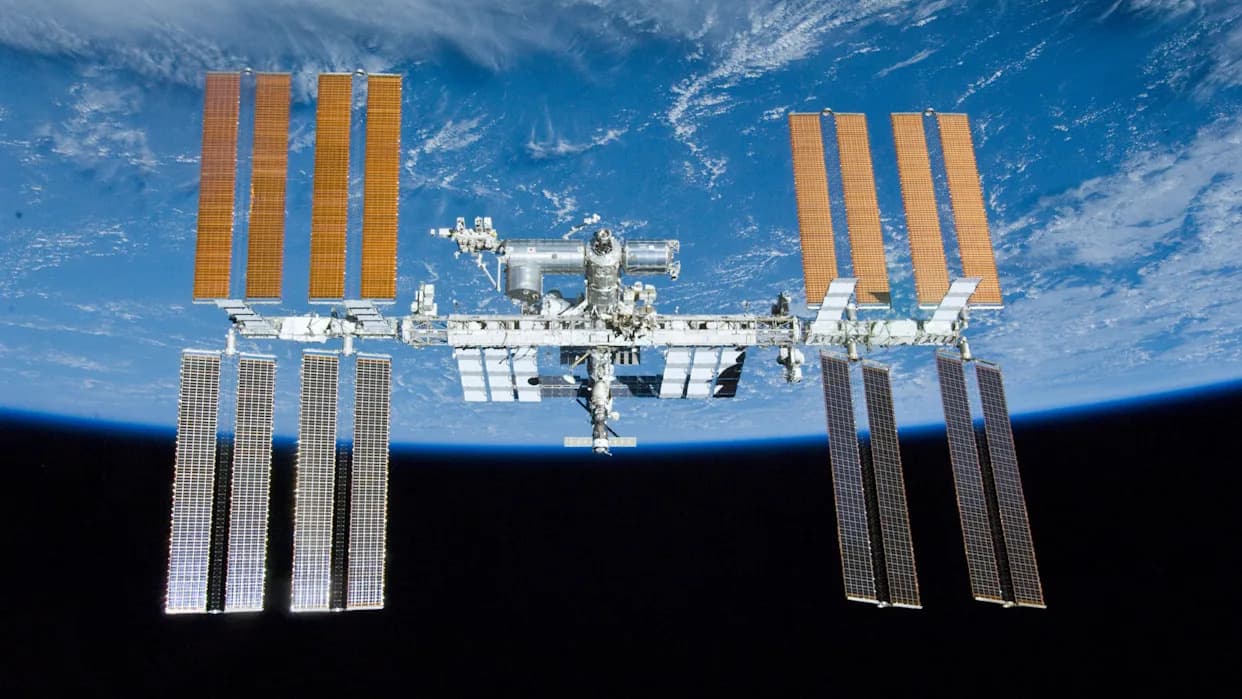
This is not the first metamorphosis to occur in space—a monarch butterfly completed its transformation aboard the International Space Station in 2009—but the Tiangong experiment was intentionally harsher. Unlike some previous projects, the butterfly pod aboard Tiangong was unmanned and lacked radiation shielding, active temperature control, and full-spectrum lighting, increasing environmental stress on the developing insect.
Xie, who also led the experiment that produced the first plant leaves grown on the Moon during China’s Chang’e 4 mission, said the combined findings from lunar plant trials and unmanned animal experiments could inform future plans for space farming. In particular, small pollinators could play a role in closed-loop agricultural systems on the Moon or Mars.
Why This Matters
Small-scale biological experiments like this help scientists test how organisms respond to radiation, microgravity, limited resources, and isolated ecosystems—all critical factors for long-duration space habitation and off-world agriculture. Observations that insects can adapt and behave normally in microgravity strengthen prospects for designing resilient, automated biospheres where pollinators support crop production.
Source: People’s Daily (English-language reporting of the Tiangong experiment; researchers led by Xie Gengxin).
Help us improve.