Dozens of Yemeni aid workers and national U.N. staff have been detained in Houthi-controlled areas after raids on homes and offices, with families often left uninformed. Relatives report infrequent, tightly supervised contact and rare visits; many detainees remain without formal charges. The Houthis allege espionage, accusations rejected by the U.N. and relatives, while regional strikes have heightened fears for detainees’ safety. International and local pressure continues for the immediate release of those held.
Families of Detained Yemeni Aid Workers Plead for Answers as Houthi Crackdown Continues

Ahmed al-Yamani's family went from celebrating his daughter's wedding to living in fear the next morning when masked fighters entered their home in Sanaa and arrested him, relatives say. The family believes his only offense was previous work with local humanitarian groups; they did not hear from him for months.
Raids, confiscations and disappearances
Dozens of Yemeni aid workers, including employees of U.N. agencies and nongovernmental organizations, have been detained in Houthi-controlled northern Yemen since late last year. Rights groups report coordinated raids on homes and offices, the seizure of phones, laptops and documents, and the intimidation of relatives.
Many families describe long periods without information about their loved ones’ whereabouts, periodic brief phone calls or tightly supervised visits, and no formal charges or access to transparent legal processes—circumstances rights groups characterize as enforced disappearances.
Personal toll
Al-Yamani, 52, was taken in a dawn raid on June 6, 2024. Armed men searched the house, pointed guns at family members and confiscated documents and the deed to the home, his eldest son Khaled al-Yemeni said. Female Houthi personnel separated and guarded his wife and mother during the search.
Dr. Ali Mudhwahi, a 56-year-old public health consultant who had worked with UNICEF, was detained after security forces searched his office, interrogated colleagues and blindfolded him. His wife, Safiah Mohammed, says he first contacted the family eight months later; since then, calls have come only every month or two and last only a few minutes. "In the last three calls, his voice sounded exhausted," she said. She and their 12-year-old daughter still do not know where he is being held.
Another physician who spoke on condition of anonymity said his brother, formerly with UNESCO, and a cousin working for a U.N. agency were also detained. Families report being allowed infrequent calls—often limited to a few minutes—and rare, tightly controlled in-person meetings. When al-Yamani's family was permitted to see him once in August, they were transported in a bus with blacked-out windows to an undisclosed location and given only a short visit. He appeared gaunt and had lost significant weight, the family said.
“We’re ghosts of people,” a doctor in Sanaa said, describing the emotional toll on relatives. “They took the head of my family. They took our sole provider,” another relative said.
Broader tensions and official claims
Families' fears intensified after the United States and Israel launched air and naval strikes against Houthi targets in response to the rebels’ missile and drone attacks on Israel and commercial vessels in the Red Sea. The Houthis say their actions are solidarity with Palestinians amid the war in Gaza. Strikes have hit residential areas, military sites and detention facilities in Sanaa and the Red Sea port of Hodeida, raising concerns that detainees may be held in locations vulnerable to attack.
Hazam al-Assad, a member of the Houthi political bureau, told reporters that those arrested—including national and international aid workers—were engaged in espionage and in possession of advanced surveillance equipment, and that cases would be referred to judicial authorities. U.N. officials reject those accusations. A U.N. deputy spokesperson said the allegations against U.N. staff are "baseless and extremely distressing," stressing that staff are impartial humanitarian and development professionals.
In October, a dozen international U.N. staff were released and left the country, but dozens of Yemeni U.N. employees—reported to number 59—remain detained, along with many NGO and civil society personnel. Families say they have appealed to former employers and U.N. offices, but were told priorities have focused on current international staff.
Context and appeals
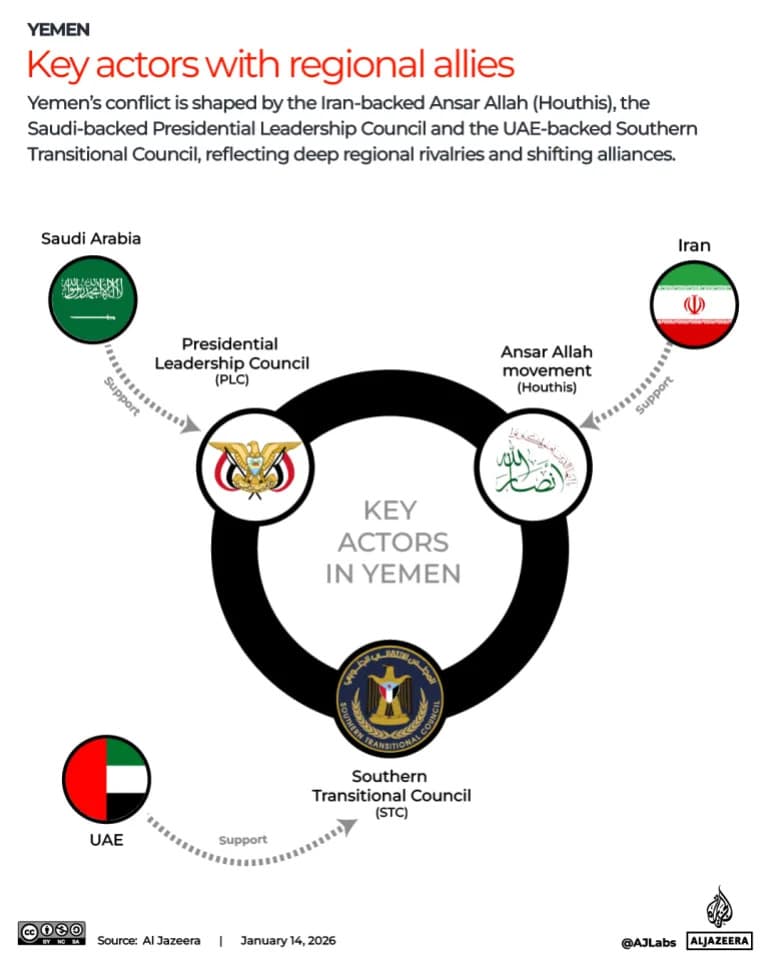
Yemen has been embroiled in civil war since the Houthis seized Sanaa and much of the north in 2014, displacing the internationally recognized government. The conflict has killed more than 150,000 people and produced one of the world's worst humanitarian crises.
Relatives and advocacy groups continue to call for clarity and the immediate, unconditional release of those detained. Families keep publicizing cases online to raise awareness while being careful not to provoke authorities. U.N. officials say they are engaging with Houthi authorities to secure the safe return of all detainees.
Help us improve.