In November 2009, medical student John Edward Jones became stuck headfirst in an unmapped, extremely narrow pocket of Utah's Nutty Putty Cave. Rescue teams worked around the clock, using a rope-and-pulley system, administering IV fluids and allowing him to speak with his pregnant wife, but an equipment failure dropped him back into the gap. After 27 hours he was found unresponsive and died just before Thanksgiving. The cave was later sealed and the site is now an informal memorial known as John Jones Hill.
Trapped Upside Down in Nutty Putty Cave: The 27‑Hour Rescue That Ended in Tragedy

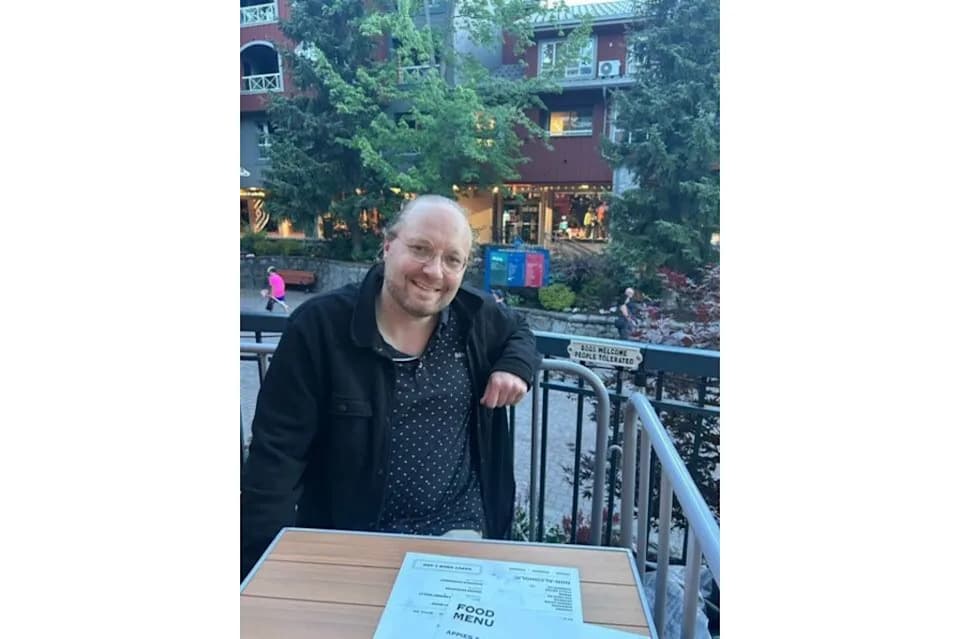
In late November 2009, 26-year-old medical student John Edward Jones entered Utah's Nutty Putty Cave with his brother and friends. What began as a routine caving trip turned fatal when Jones became stuck headfirst in an unmapped, extremely narrow pocket deep inside the system.
Jones — a 6-foot, 190-pound father with a child on the way — squeezed into a passage cavers call the "birth canal" and pushed into what rescuers later described as an L-shaped constriction approximately 18 inches by 10 inches wide. Each breath made him more firmly wedged, and he was unable to back out.
His brother, Josh Jones, tried to free him before calling for professional help. Rescue teams faced severe access challenges: the location was described by responders as "absolutely the worst spot in the cave," extremely narrow and awkward, which made it difficult to get personnel and equipment to the patient.
Rescuers worked for more than a day to free Jones. They rigged a rope-and-pulley system to support his weight while he pushed, administered an IV, provided food and water, and gave him a radio so he could speak with his pregnant wife. At one point teams reported progress: the system appeared to free him from the crevice.
However, an equipment failure caused the rope system to fail and Jones was dropped back into the same tight gap, some 125 feet below the surface and roughly 700 feet into the cave. During the ordeal he had been hanging nearly head-down — at close to an 80-degree angle — for hours, a position that responders said likely impaired his ability to take deep breaths.
"Seeing his feet and seeing how swallowed he was by the rock, that's when I knew it was serious," Josh Jones recalled. Sgt. Spencer Cannon later explained that the wedged, head-down position "would have affected his ability to breathe adequately."
After a total of about 27 hours of rescue efforts, John Jones was declared unresponsive and was pronounced dead just before Thanksgiving. Rescue officials concluded that recovering his body posed too great a risk to additional personnel.
Authorities eventually sealed the cave entrance with concrete after using explosives to close unstable passages, leaving the site inaccessible. The hillside above the sealed entrance has become an informal memorial known as "John Jones Hill," where a bronze plaque bears his likeness.
In later interviews, Jones's widow, Emily Jones-Sanchez, spoke of the emotional aftermath: early faith and resolve gave way to the pain of lost plans — finishing medical school, raising children and building a shared future. In 2016 a documentary, The Last Descent, revisited the incident and renewed public attention on the risks of cave exploration and the limits of even determined rescue operations.
This tragedy remains a solemn reminder of how quickly recreational pursuits can become dangerous and how challenging confined-space rescues can be, even with skilled teams and determined efforts.
Help us improve.