Jake McCollum, 18, survived a roughly 262-foot fall down Mount Walsh in Queensland on Nov. 30, suffering a fractured spine, broken ribs, internal bleeding and a head injury. He activated a personal locator beacon from his backpack and was able to hear his mother through Bluetooth headphones after his phone was damaged. Rescue crews struggled with a bouncing PLB signal and dense foliage but ultimately stabilised and airlifted him to hospital, where he spent several days recovering.
18-Year-Old Survives 262-Foot Fall on Mount Walsh After Parents Reach Him Through Bluetooth Headphones
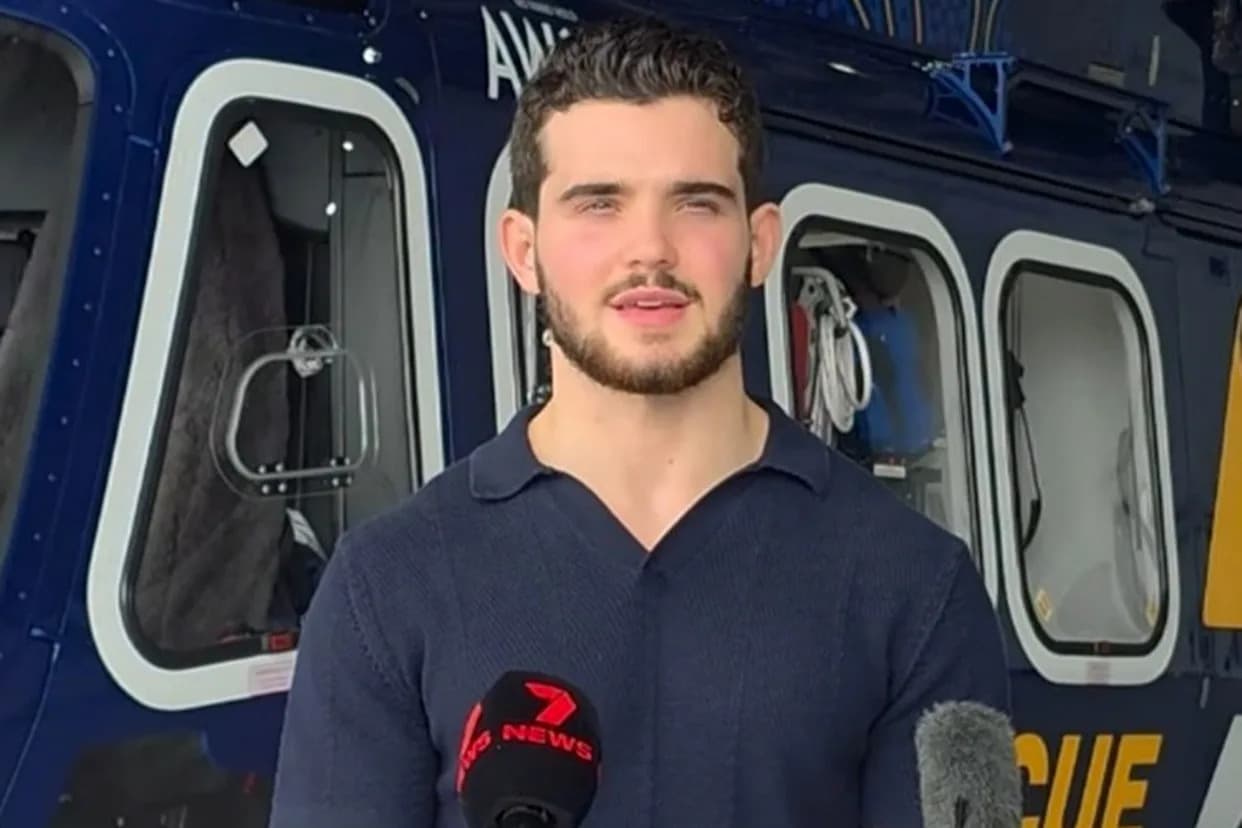
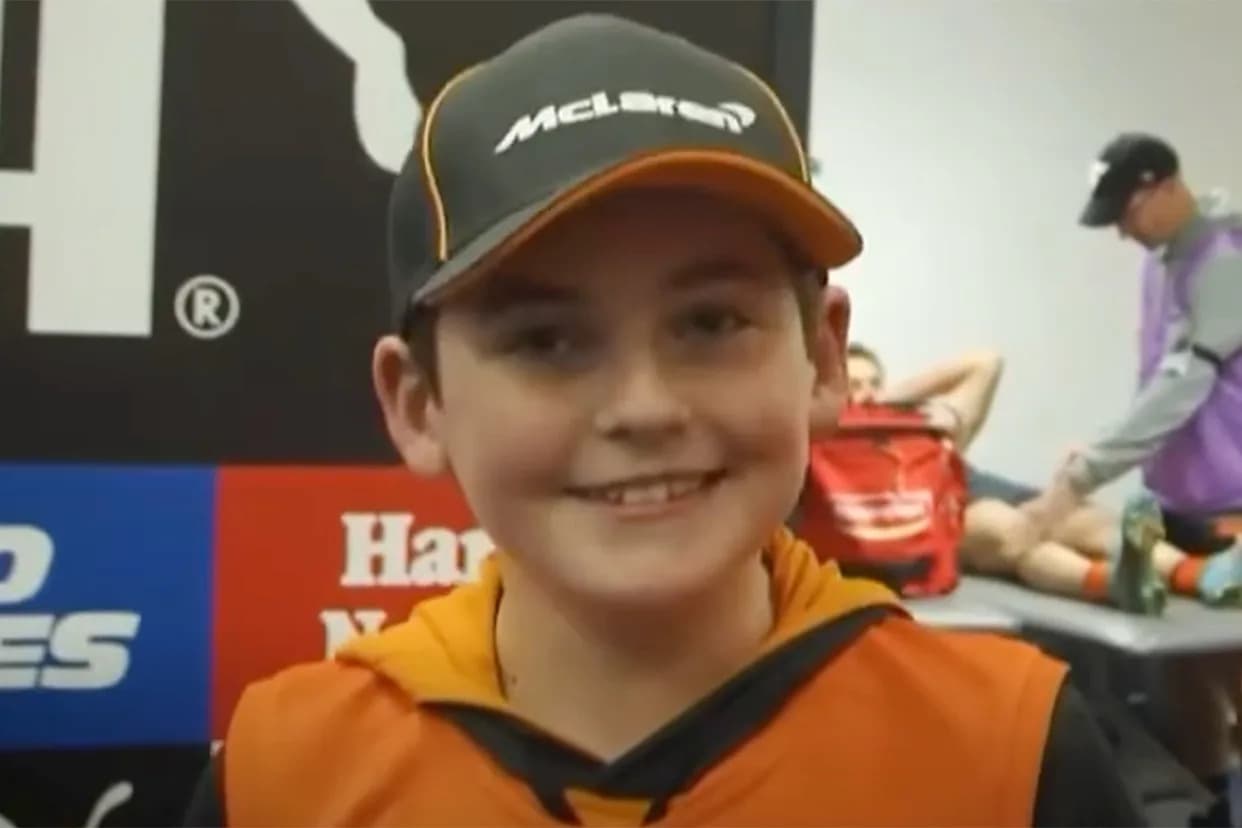
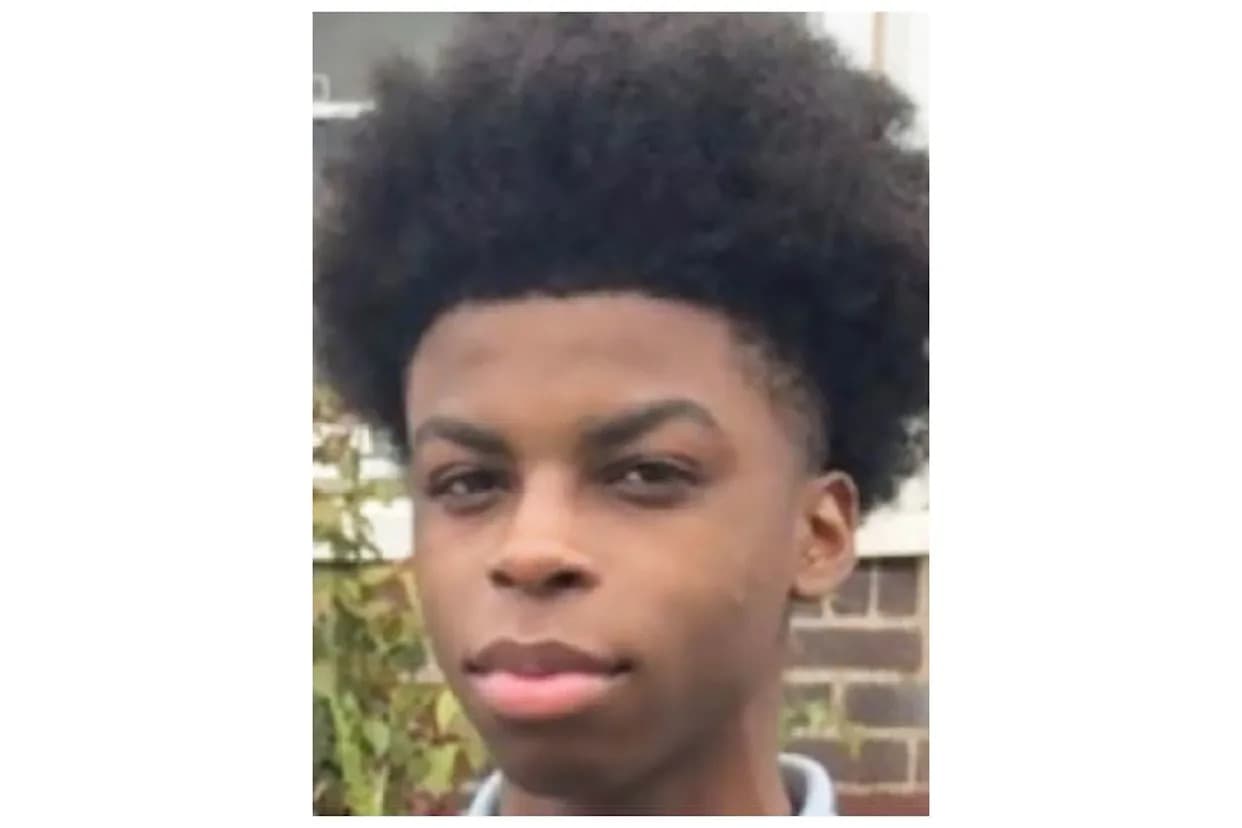
9 News Australia/YoutubeJake McCollum
An 18-year-old climber, Jake McCollum, is recovering after a dramatic fall of about 262 feet (80 meters) down Mount Walsh in Queensland, Australia, on Nov. 30. Local outlets including the Australian Broadcasting Corporation and 7News reported that McCollum suffered serious injuries but was located and rescued after activating a personal locator beacon and staying on the line with his parents via Bluetooth headphones.
What Happened
McCollum was hiking alone near the summit when he slipped and plunged down the steep slope. He said a tree broke part of his fall before he came to rest on his back. Medical checks later revealed a fractured spine, multiple broken ribs, internal bleeding and a head injury.
How He Was Found
McCollum crawled to his backpack, which had landed nearby, and activated a personal locator beacon (PLB). The PLB transmitted a distress signal that was picked up in Canberra, prompting authorities to contact his parents. His phone had been damaged in the fall, but his Bluetooth headphones were still within reach — and he could hear his mother speaking faintly through them.
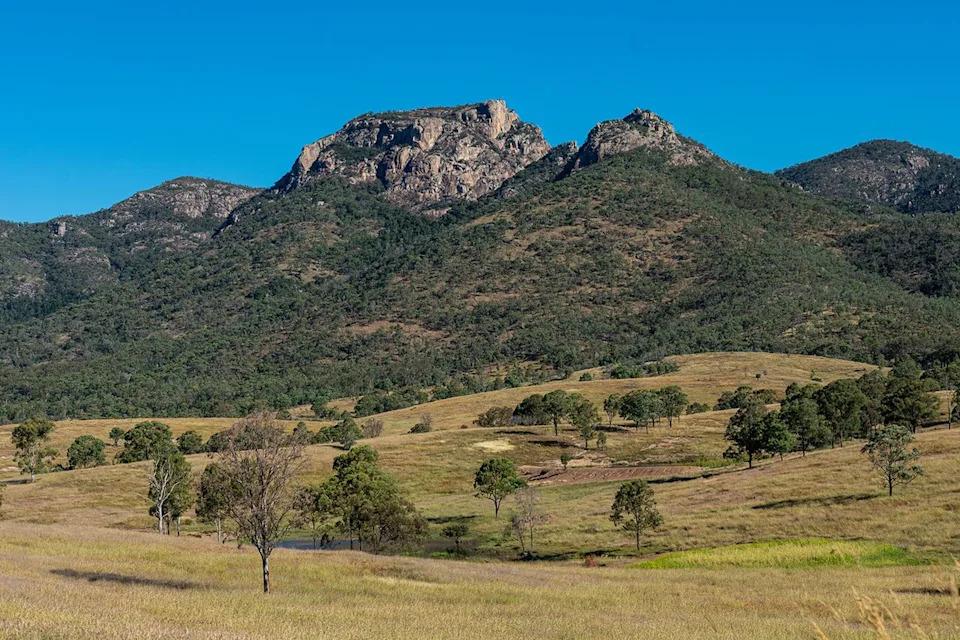
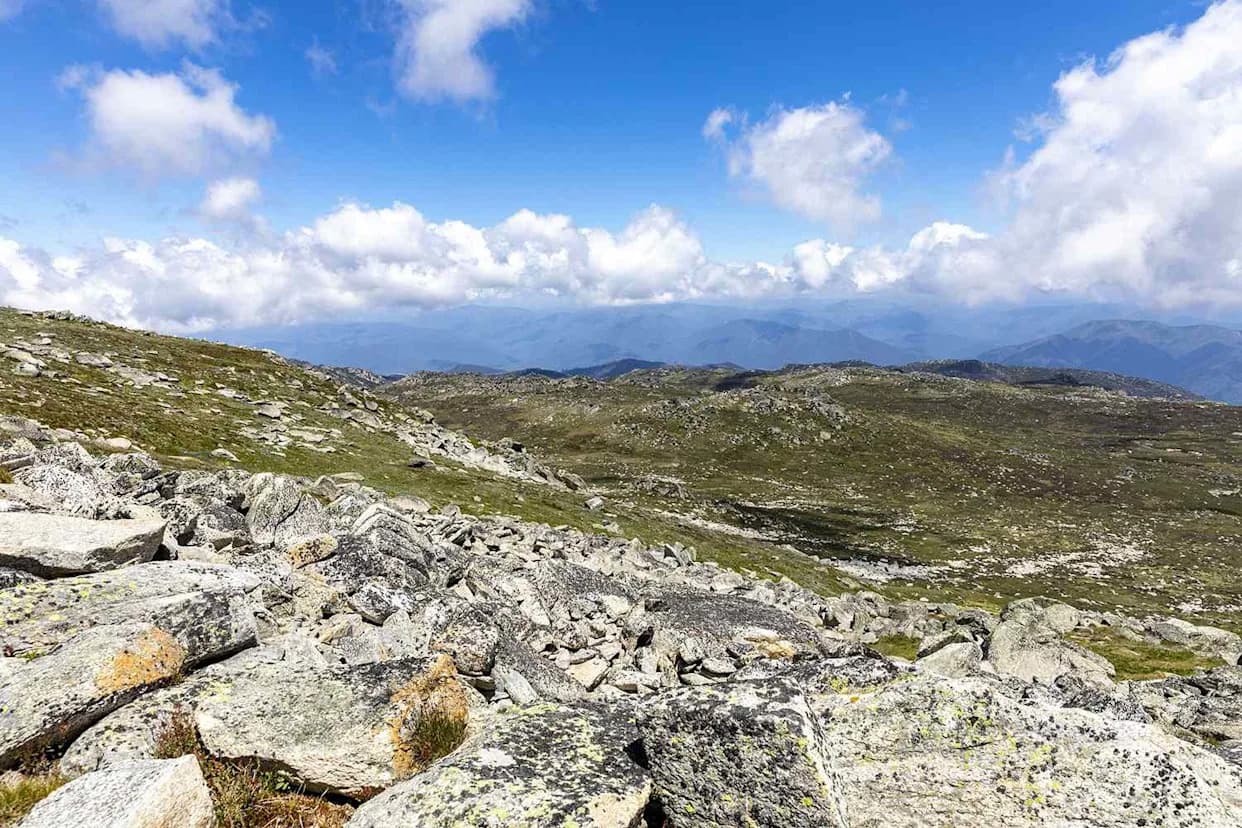
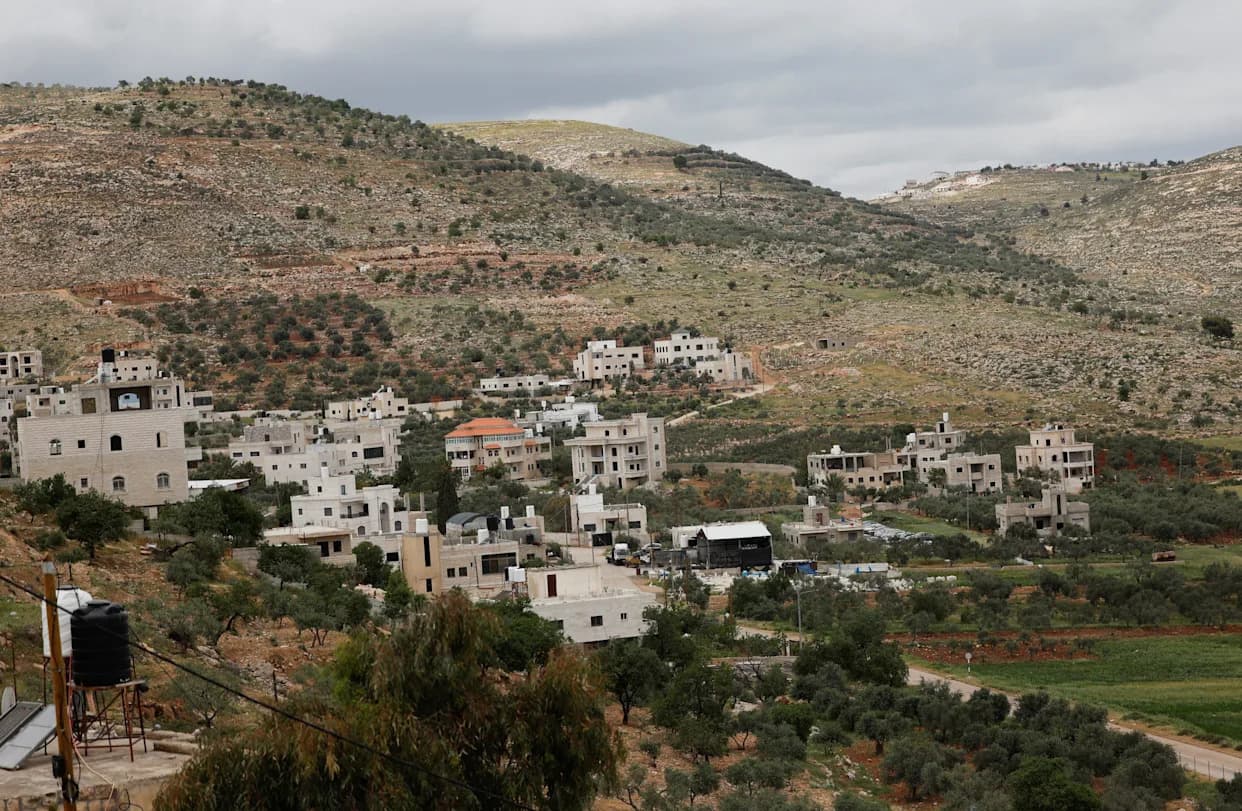
GettyMount Walsh
“The wind was knocked out of me and I remember thinking it was probably all over for me,” McCollum told the ABC. During the call his mother, Rachel, recalled him saying, “I think I’m going to die.” Rachel stayed on the phone for more than five hours, coordinating with police while keeping her son conscious and calm.
Rescue Challenges and Outcome
Rescue teams faced difficulties. LifeFlight aircrew officer Shayne White said the PLB signal was bouncing off the rock face, making precise location difficult. McCollum was wearing dark clothing, lying face down and partly hidden beneath dense foliage; rescuers first sighted his legs before they could see him clearly. After stabilising him on scene for about an hour, the helicopter crew airlifted him to a nearby hospital, where he spent several days recovering.
McCollum and his family credit both the PLB and the Bluetooth headphones with saving his life — without the device and the ability to speak to his parents, it could have taken much longer for rescuers to find him.
Final Notes
The incident highlights the value of emergency locator devices and staying connected when hiking alone in remote terrain. Authorities advise carrying a PLB or satellite messenger and informing someone of planned routes before heading into isolated areas.
Help us improve.