Colombian authorities seized about 14 tonnes of cocaine in Buenaventura, calling it the largest police bust in a decade and noting the operation was carried out "without a single death." Officials said the drugs had been concealed with plaster and were bound for the Netherlands, preventing an estimated 35 million doses and costing traffickers roughly $388.9m. The arrest comes amid US pressure on Bogotá and sanctions against President Petro, while Bolivia's new government has invited the DEA to return after nearly 17 years.
Colombia Seizes 14 Tonnes of Cocaine in Biggest Bust of the Decade — President Highlights ‘No Deaths’

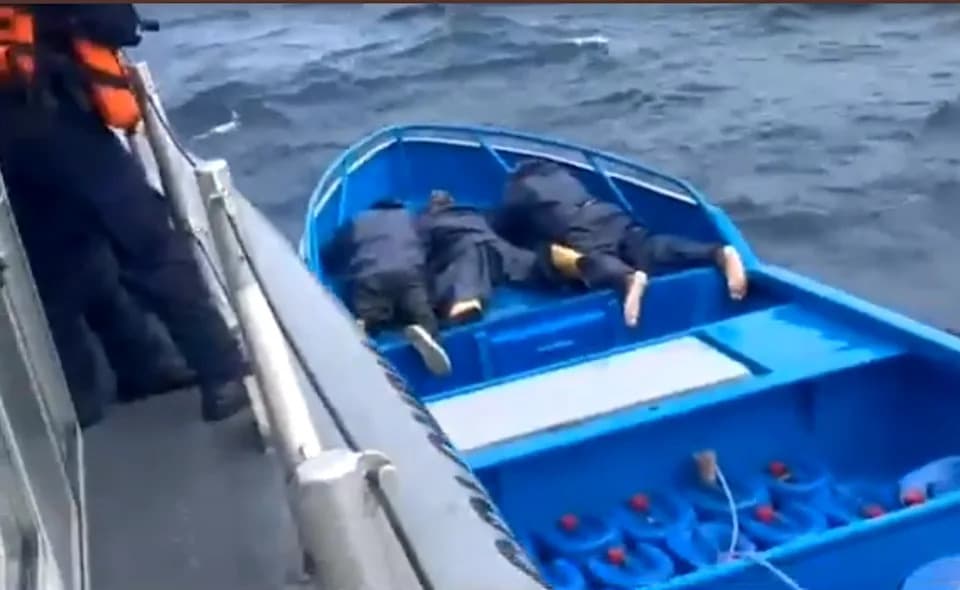
Colombian authorities announced their largest cocaine seizure in a decade after confiscating approximately 14 tonnes at the Pacific port of Buenaventura. Officials said the shipment was disguised by mixing the drug with plaster and was bound for the Netherlands.
The Ministry of Defence called the operation a "historic blow" to trafficking networks, estimating the seizure prevented about 35 million doses from reaching the market and dealt a financial hit of roughly $388.9 million to criminal structures. Dozens of 50-kilogram (110-pound) sacks were discovered inside a warehouse at the port.
President Gustavo Petro confirmed the police operation on X and shared video of officers and detection dogs conducting the raid. He emphasised that the operation was completed "without a single death."
"ALERT! The largest seizure by the Colombian Police in the last decade. It is 14 tonnes of cocaine seized without a single death in the Port of Buenaventura."
The announcement comes amid heightened pressure from the administration of US President Donald Trump, which has criticised Colombia's anti-drug measures and moved to sanction senior Colombian officials, including President Petro and members of his family, over alleged links to the drug trade. In response, Petro ordered the country's Financial Information and Analysis Unit to publish his bank records to refute accusations of illicit ties.
Petro has also publicly criticised the US bombing of suspected trafficking vessels in the Caribbean and eastern Pacific as "extrajudicial executions," while the US argues its increased naval presence and operations aim to curb illegal drug flows. Venezuela has condemned the US actions as a pretext for intervention, heightening regional tensions.
At the same time, Bolivia's new conservative government signalled a shift in policy by saying it will invite the US Drug Enforcement Administration (DEA) back into the country nearly 17 years after its expulsion. Ernesto Justiniano, Bolivia's newly appointed anti-narcotics chief, told officials there is a political commitment to reinstate international cooperation to tackle rising cocaine production.
Analysts say the Buenaventura seizure underscores both the scale of illegal drug networks in the region and the complex diplomatic dynamics between Washington and South American capitals as governments pursue differing approaches to counter-narcotics efforts.
Help us improve.